Category: Business Technology - Page 3
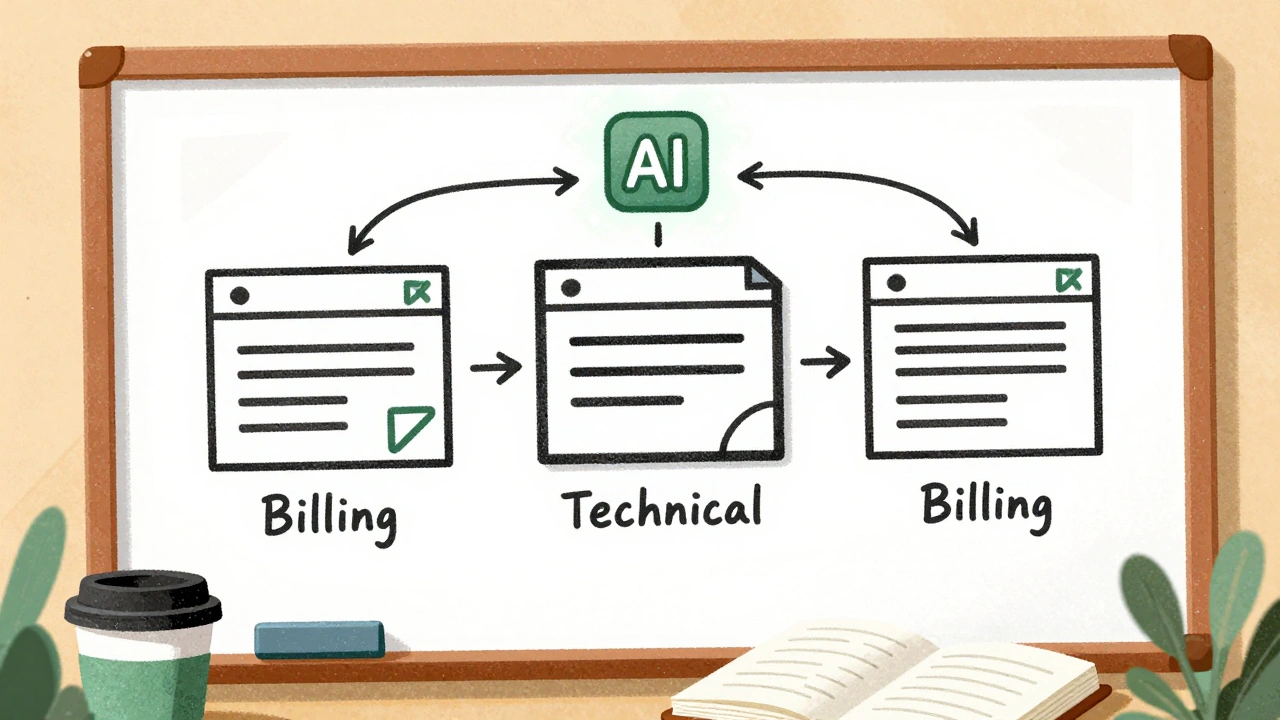
Few-Shot vs Fine-Tuned Generative AI: How Product Teams Should Decide
Learn how product teams should choose between few-shot learning and fine-tuning for generative AI. Real cost, performance, and time comparisons for practical decision-making.
Read More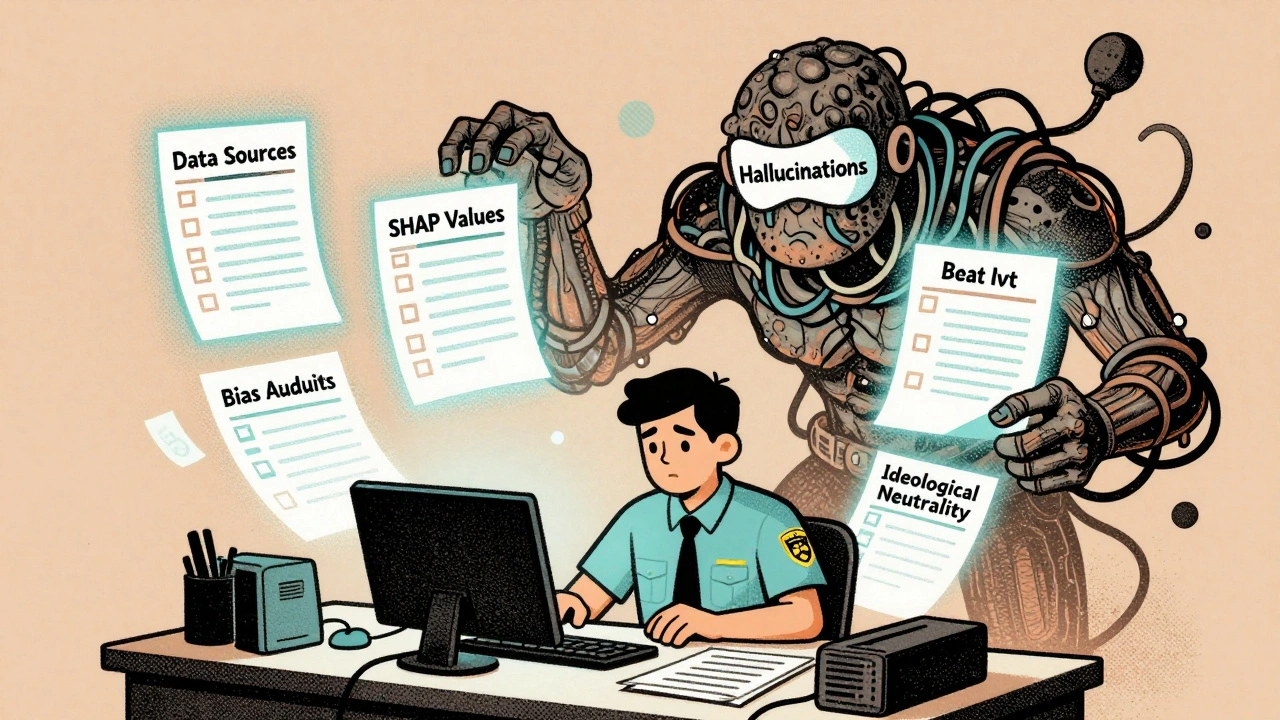
Governance Policies for LLM Use: Data, Safety, and Compliance in 2025
In 2025, U.S. governance policies for LLMs demand strict controls on data, safety, and compliance. Federal rules push innovation, but states like California enforce stricter safeguards. Know your obligations before you deploy.
Read More
Export Controls and AI Models: How Global Teams Stay Compliant in 2025
In 2025, exporting AI models is tightly regulated. Global teams must understand thresholds, deemed exports, and compliance tools to avoid fines and keep operations running smoothly.
Read More
Cloud Cost Optimization for Generative AI: Scheduling, Autoscaling, and Spot
Learn how to cut generative AI cloud costs by 60% or more using scheduling, autoscaling, and spot instances-without sacrificing performance or innovation.
Read More
KPIs for Governance: How to Measure Policy Adherence, Review Coverage, and MTTR
Learn how to measure governance effectiveness with policy adherence, review coverage, and MTTR-three critical KPIs that turn compliance into real business resilience.
Read More
Non-Technical Founders Using Vibe Coding: Build a Working Prototype in Days, Not Months
Non-technical founders can now turn ideas into working prototypes in days using AI-powered vibe coding-no coding skills needed. Learn how it works, what you can build, and how to avoid common pitfalls.
Read More
Enterprise Data Governance for Large Language Model Deployments: A Practical Guide
Enterprise data governance for large language models ensures legal compliance, data privacy, and ethical AI use. Learn how to track training data, prevent bias, and use tools like Microsoft Purview and Databricks to govern LLMs effectively.
Read More
From Proof of Concept to Production: Scaling Generative AI Without Surprises
Only 14% of generative AI proof of concepts make it to production. Learn how to bridge the gap with real-world strategies for security, monitoring, cost control, and cross-functional collaboration - without surprises.
Read More
Style Transfer Prompts in Generative AI: Master Tone, Voice, and Format for Better Content
Learn how to use style transfer prompts in generative AI to control tone, voice, and format - without losing brand authenticity. Real strategies, real results.
Read More
Autoscaling Large Language Model Services: Policies, Signals, and Costs
Learn how to autoscale LLM services effectively using prefill queue size, slots_used, and HBM usage. Reduce costs by up to 60% while keeping latency low with proven policies and real-world benchmarks.
Read More
Field Service with Generative AI: Diagnostic Guides and Parts Recommendations
Generative AI is transforming field service by delivering real-time diagnostic guides and accurate parts recommendations. Technicians now fix more problems on the first visit, waste fewer parts, and spend less time searching for answers.
Read More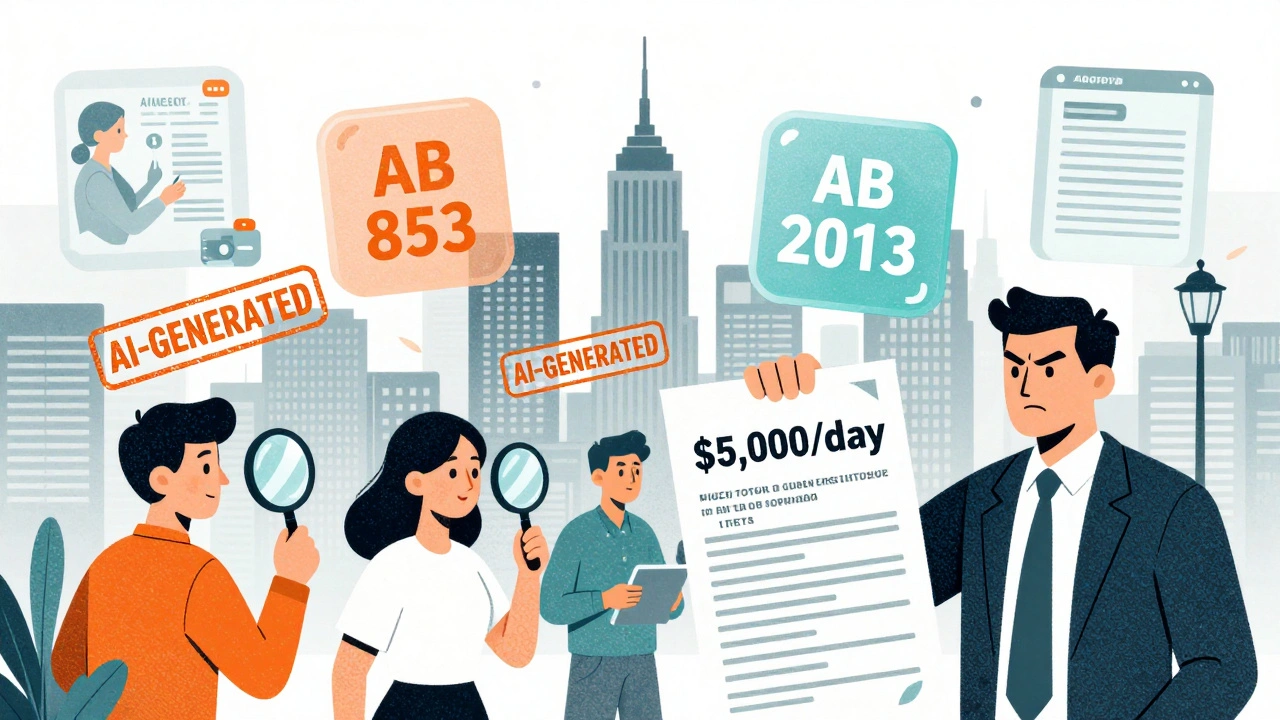
State-Level Generative AI Laws in the United States: California, Colorado, Illinois, and Utah
California leads U.S. state-level AI regulation with strict transparency, consent, and training data laws. Colorado, Illinois, and Utah have narrower rules focused on insurance, deepfakes, and privacy. Businesses must understand state-specific requirements to avoid penalties.
Read More