Best PHP AI Scripts for LLM Integration and Automation
When you need to bring large language models, AI systems that understand and generate human-like text. Also known as LLMs, they let PHP apps think, reason, and respond like a human assistant. The right PHP AI scripts turn your backend into an intelligent engine—whether you're building chatbots, processing documents, or automating customer support. You don’t need to be an AI researcher. You just need clean, tested code that talks to OpenAI, Anthropic, or open-source models without breaking.
Real projects use RAG, a method that lets LLMs pull answers from your own data instead of guessing. They rely on vector databases, systems that store and retrieve text snippets by meaning, not keywords. Others use function calling, a way for LLMs to trigger real actions like fetching orders or sending emails. These aren’t theory—they’re in production, cutting support tickets and boosting accuracy. And they all start with PHP code that just works.
Below, you’ll find the most practical scripts—open-source, premium, and ready-to-deploy. No fluff. Just working examples that connect PHP to AI, handle costs, keep data safe, and scale without headaches.

Stepwise Prompting with Feedback Loops: How to Iterate Toward Correct Code
Learn how stepwise prompting with feedback loops transforms AI code generation from guesswork into a reliable engineering practice. Discover techniques to break tasks into verifiable steps, reduce debugging time, and build confidence in AI-assisted development.
Read More
Grounding Prompts in Generative AI: How RAG Cites Sources
Learn how grounding prompts and Retrieval-Augmented Generation (RAG) stop AI hallucinations. Discover practical steps to cite sources, compare RAG vs fine-tuning, and implement reliable enterprise AI.
Read More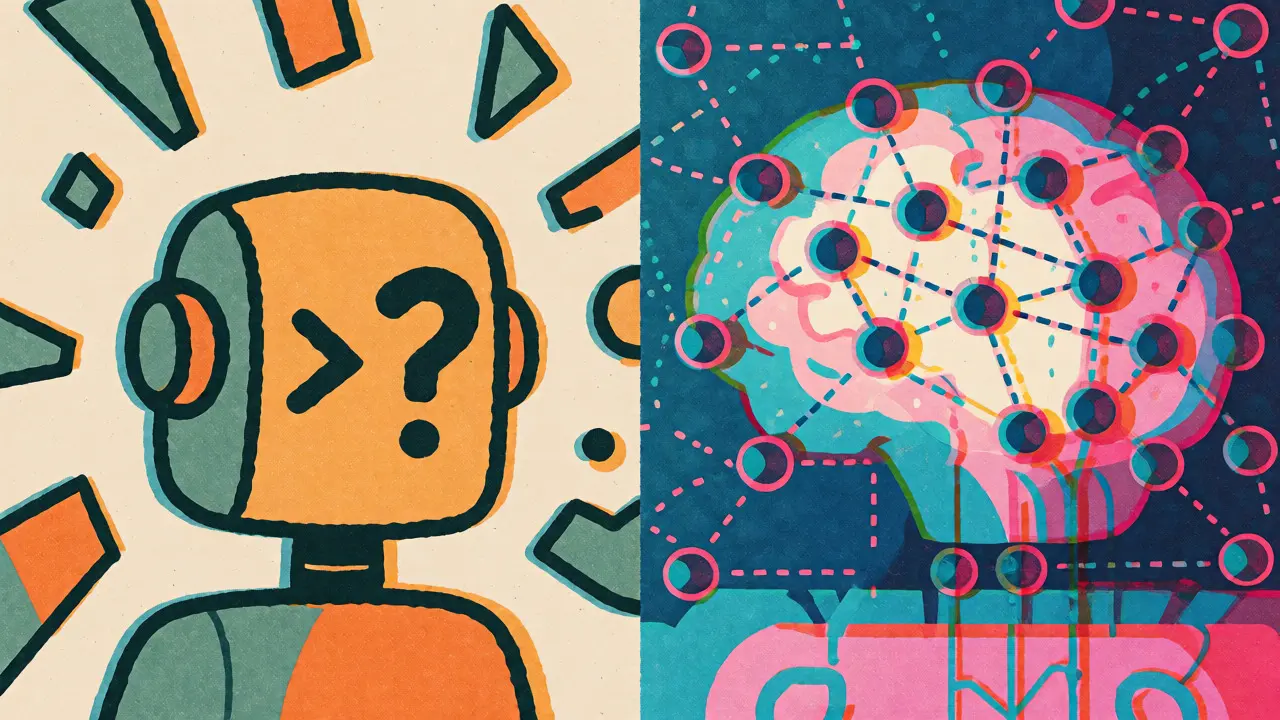
Reasoning-Capable Large Language Models: How Internal Thinking Changes AI
Discover how reasoning-capable LLMs like DeepSeek-R1 use internal thinking to boost accuracy. Learn about MoE architectures, open-source disruptions, and when to use these models in 2026.
Read More
Guardrail-Aware Prompt Templates: Building Safer LLM Outputs
Learn how guardrail-aware prompt templates enhance LLM safety by embedding rules directly into prompts. Discover strategies for input/output validation, streaming challenges, and tool selection.
Read More
Access Control for Vibe Coding: Securing Data and Repositories
Secure your AI-generated code by mastering access control, repository scope, and data privacy. Learn how to mitigate vibe coding risks with practical strategies.
Read More
Vendor Management for Vibe Coding Platforms: A 2026 Governance Guide
Learn how to manage vendors for vibe coding platforms in 2026. Discover critical contract clauses, governance risks, and strategies to avoid model lock-in.
Read More
Vibe Coding for Global Teams: How Distributed Orgs Ship Faster
Discover how vibe coding empowers distributed teams to ship software faster by using natural language and AI. Learn strategies to overcome time zone barriers.
Read More
Error-Forward Debugging: Using LLMs to Fix Stack Traces Fast
Discover Error-Forward Debugging: a method to feed stack traces to LLMs for rapid code fixes. Learn the workflow, top tools, and how to avoid common pitfalls.
Read More
Governance Policies for Bias Management in Large Language Model Programs
Discover essential governance policies for managing bias in Large Language Model programs. Learn about data handling, fairness metrics, and regulatory compliance.
Read More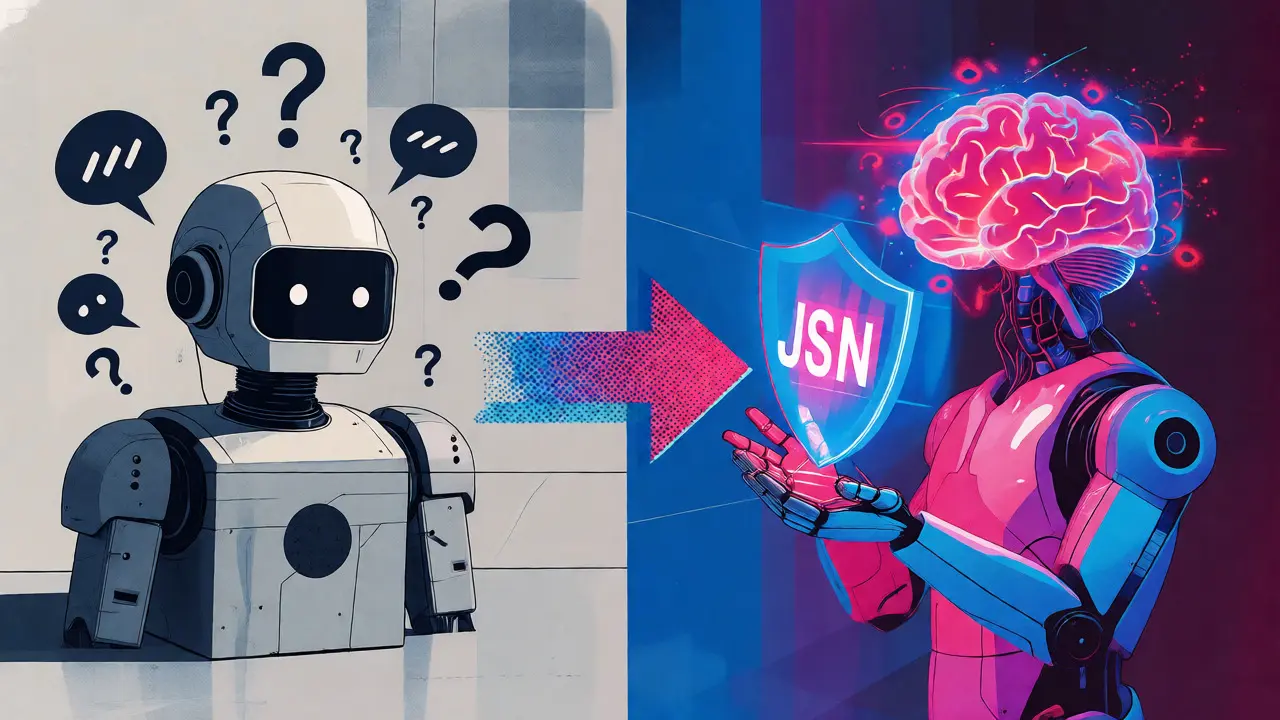
Tool-Use Proficiency: Making LLMs Call APIs Reliably
Discover how modern LLMs achieve reliable API integration. Learn best practices for tool-use proficiency, avoiding common pitfalls like token mismanagement and security risks.
Read More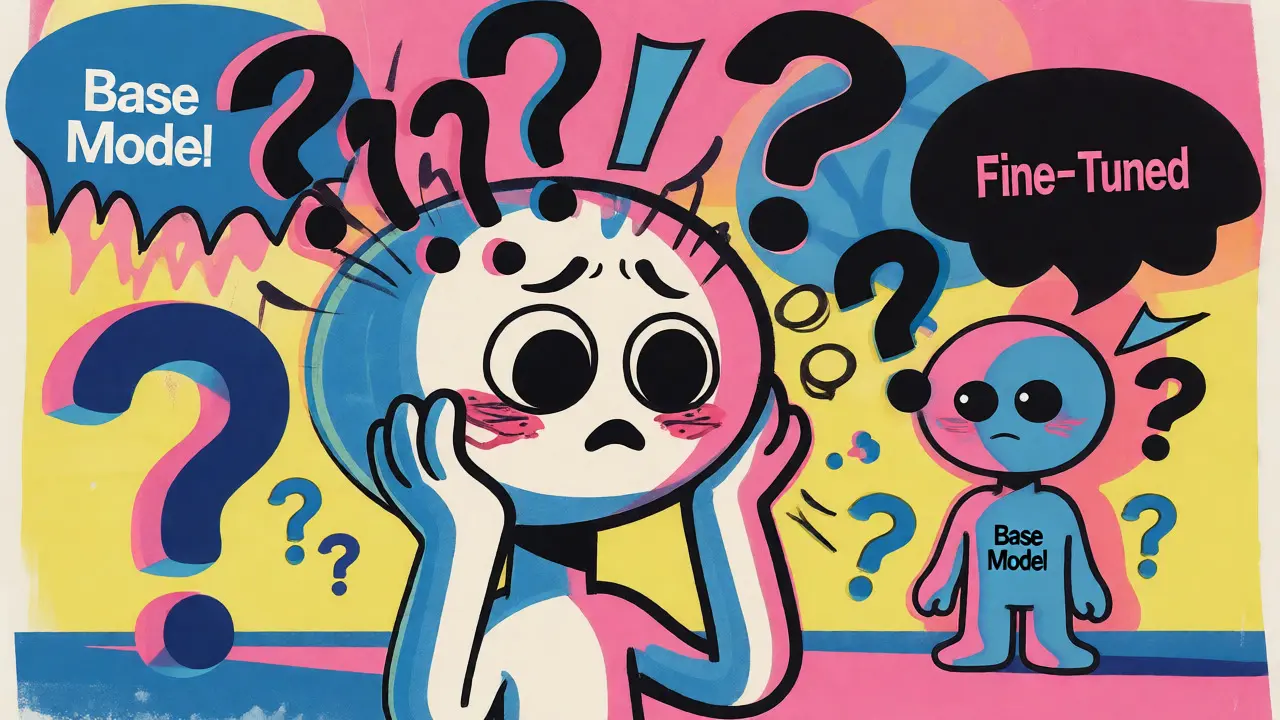
Evaluation Protocols for Fine-Tuned LLMs: What to Measure
Learn how to effectively evaluate fine-tuned Large Language Models. Discover key metrics like ROUGE, BERTScore, and LLM-as-a-Judge, and avoid common pitfalls in assessing model quality.
Read More
Continuous Improvement Loops: Feedback, Retraining, and Prompt Updates
Learn how to build continuous improvement loops for AI models using feedback, retraining, and prompt updates. Discover strategies to prevent model drift and maintain accuracy over time.
Read More