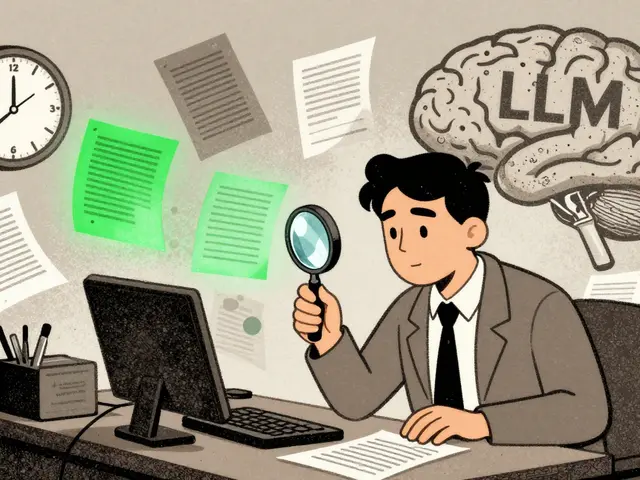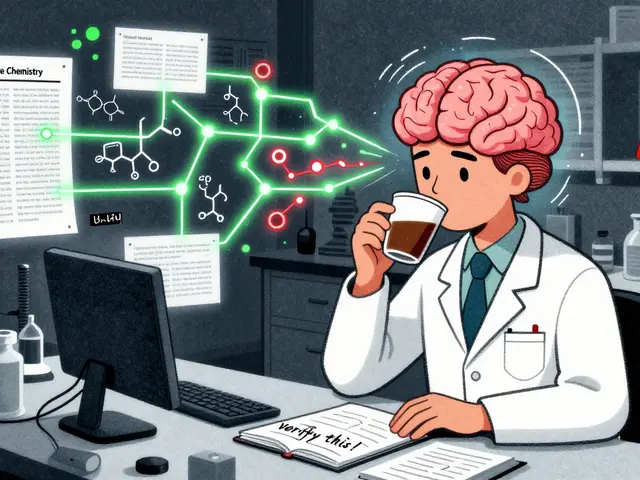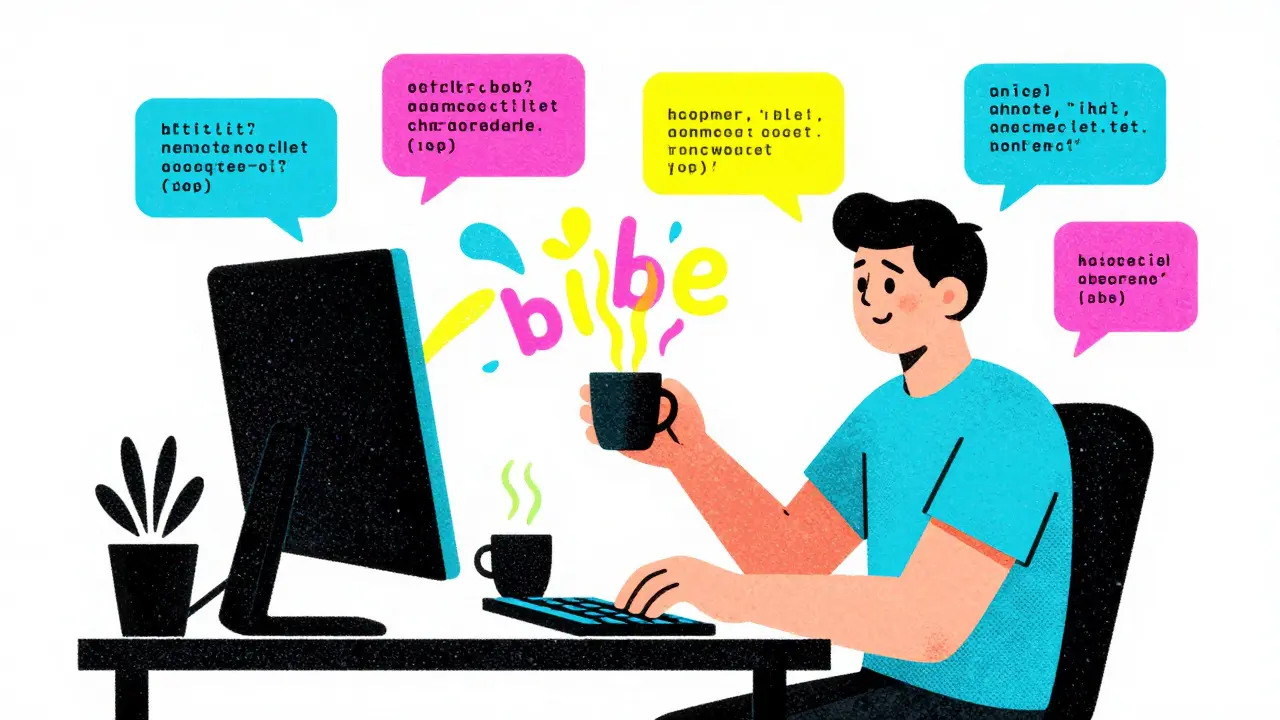
You’ve probably noticed that writing code feels different now than it did two years ago. It’s no longer just about typing syntax until your fingers cramp. You’re talking to machines, asking them to build features, refactor legacy messes, or even spin up entire prototypes while you sip coffee. But here is the catch: not all AI coding assistants are created equal. In 2026, we are standing at a crossroads between two distinct paradigms: vibe coding and agentic systems. One keeps you in the driver’s seat with a conversational flow; the other hands the keys over to autonomous agents that plan, execute, and test on their own. Choosing the wrong one can mean wasted hours debugging 'black box' errors or missing out on massive productivity gains.
The debate isn’t just academic. It’s practical. Are you building a quick MVP for a hackathon? Or are you refactoring a million-line Java monolith for a Fortune 500 bank? The answer dictates your tool. Let’s break down what these terms actually mean, where they shine, and how to mix them without breaking production.
What Is Vibe Coding?
Vibe coding is a human-in-the-loop development approach where developers use natural language prompts to guide AI co-pilots in real-time, emphasizing creative flow and immediate feedback. The term blew up after Microsoft’s internal studies in 2024 showed a 55% boost in coding efficiency using GitHub Copilot. VentureBeat called it "the era of vibing with AI," and honestly, the name stuck because it describes the feeling perfectly. You aren’t commanding a robot; you’re jamming with a smart partner.
In this mode, you stay in your IDE-like VS Code or Cursor-and type prompts like, "Create a React component for a user profile card." The AI suggests code, you review it, tweak it, and move on. It’s fast, intuitive, and keeps you connected to every line of code generated. According to Rocket.new’s January 2026 analysis, vibe coding systems typically run on local models (7B-13B parameters) or lightweight cloud instances, responding in 2-5 seconds. This low latency is crucial. If you have to wait ten seconds for a suggestion, you lose the "vibe."
This approach thrives on creativity. A Reddit user named u/code_crusader recently shared how he built a working MVP in two hours that would have taken two days manually. That’s the power of vibe coding: speed and ideation. However, it requires constant steering. You are still the architect. The AI is the bricklayer. If you don’t understand the underlying logic, you risk creating what Microsoft Research’s Dr. Sarah Chen calls "black box applications"-code that works but breaks mysteriously later because no one truly understands how it was assembled.
Understanding Agentic Systems
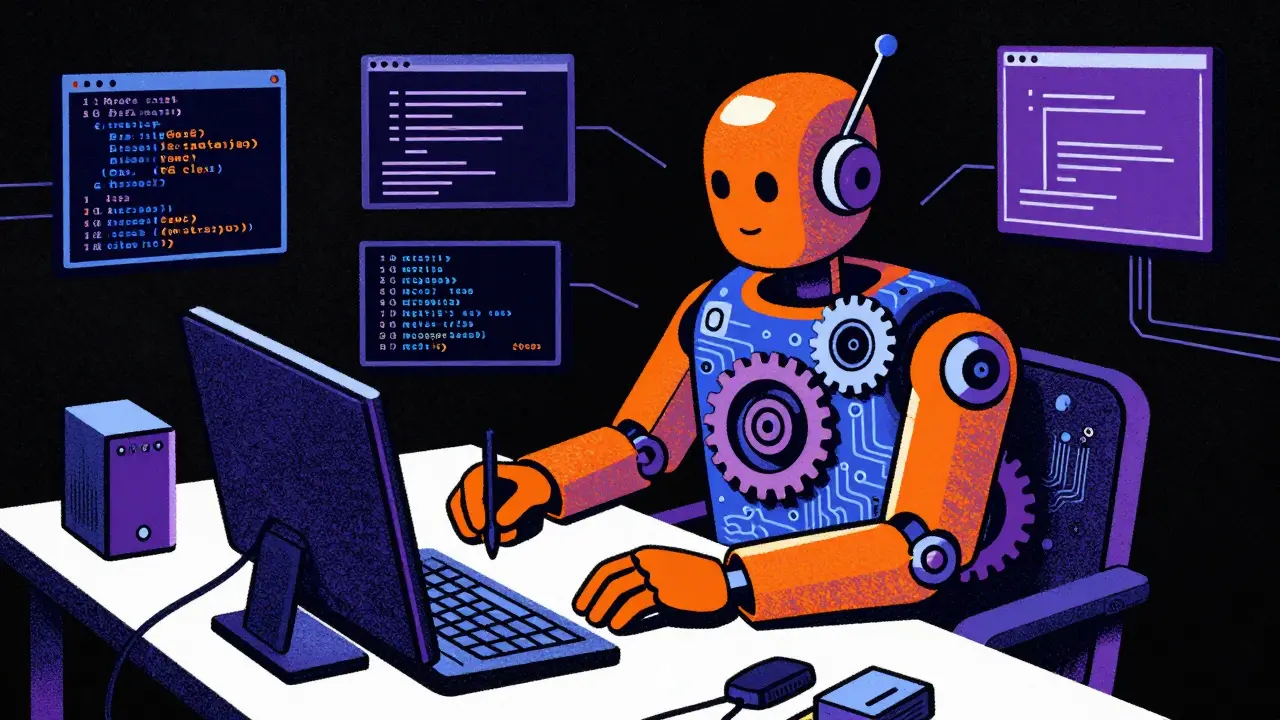
Agentic systems are autonomous AI frameworks capable of planning, executing, testing, and iterating on software tasks with minimal human intervention, often using multiple specialized agents. Think of vibe coding as having a brilliant intern sitting next to you. Agentic coding is hiring a team of interns who work overnight while you sleep. Tools like Devin 2.0 and OpenDevin represent this shift. They don’t just suggest code; they decompose complex goals into subtasks, write the code, run tests, fix bugs, and commit the changes-all autonomously.
The architecture here is heavier. Agentic systems often use larger models (30B+ parameters) and specialized planning modules. They achieve task completion rates of 68-73% on benchmarks like SWE-bench, compared to 41-52% for vibe coding approaches. Why the gap? Because agentic systems can iterate. If a test fails, an agent doesn’t stop and ask you, "Hey, this broke." It analyzes the error, rewrites the function, and tries again. This makes them incredibly powerful for repetitive, large-scale tasks.
However, this autonomy comes with a cost. Agentic systems demand more infrastructure-often 16GB+ RAM and GPU acceleration-and higher monthly costs ($29-$99/month depending on usage). More importantly, they carry a higher risk of "silent failures." An agent might introduce a subtle race condition that passes initial tests but crashes under load weeks later. In Q4 2025, Forrester noted that 22% of production incidents in financial services were linked to over-reliance on agentic coding without proper oversight.
Key Differences: Autonomy, Risk, and Control
To choose the right tool, you need to understand the trade-offs. It’s not just about speed; it’s about control versus convenience. Here is how they stack up in critical areas:
| Feature | Vibe Coding | Agentic Systems |
|---|---|---|
| Autonomy Level | Low-Moderate (Human-in-the-loop) | High (Goal-driven, self-correcting) |
| Best Use Case | Rapid prototyping, learning, greenfield apps | Large-scale refactoring, CI/CD maintenance |
| Risk Profile | Low (Immediate human review) | Higher (Silent failures possible) |
| Infrastructure Needs | Standard workstation (8GB+ RAM) | Robust setup (16GB+ RAM, GPU preferred) |
| Learning Curve | Minimal (3-5 days proficiency) | Steep (3-4 weeks for effective implementation) |
| Success Rate (Simple CRUD) | 92% | N/A (Overkill for simple tasks) |
Notice the risk profile. Vibe coding forces you to look at every change. You can’t miss a glaring error because you’re approving each step. Agentic systems hide the intermediate steps. You give a goal, and you get a result. If the result looks good, you assume the path was correct. But as the arXiv paper by Sapkota et al. highlights, agentic systems fail 62% of the time when requirements are ambiguous. They need precision. Vibe coding allows you to clarify ambiguity through conversation. Agentic systems will guess-and sometimes guess wrong.
When to Use Each Approach
So, which one do you pick? The answer depends entirely on the job. Sourcedesk.io surveyed 1,200 developers in January 2026, and the data is clear: context matters.
Choose Vibe Coding When:
- You are prototyping: Need to go from idea to demo in under 30 minutes? Vibe coding is unbeatable. It excels in green-field applications where structure isn’t rigid yet.
- You are learning: Junior developers (0-3 years experience) prefer vibe coding at a 76% rate. It lowers the barrier to entry and helps you understand syntax and patterns through interactive dialogue.
- Creativity is key: If you’re exploring new UI designs or experimenting with algorithms, the conversational nature of vibe coding preserves your creative flow.
Choose Agentic Systems When:
- Refactoring legacy code: Converting a 10,000-line Java codebase to Kotlin? An agentic system handled this with 78% accuracy in Apiiro.com’s enterprise case study, compared to 43% for vibe coding. Humans burn out on this work; agents don’t.
- Maintaining CI/CD pipelines: Automating release cycles and dependency updates is tedious. Agentic systems reduced refactoring time by 76% in enterprise settings.
- Handling repetitive tasks: Generating boilerplate, writing unit tests for existing functions, or updating documentation across hundreds of files. Agents save 15-20 hours weekly per developer, according to Microsoft’s internal metrics.
The Hybrid Future: Best of Both Worlds
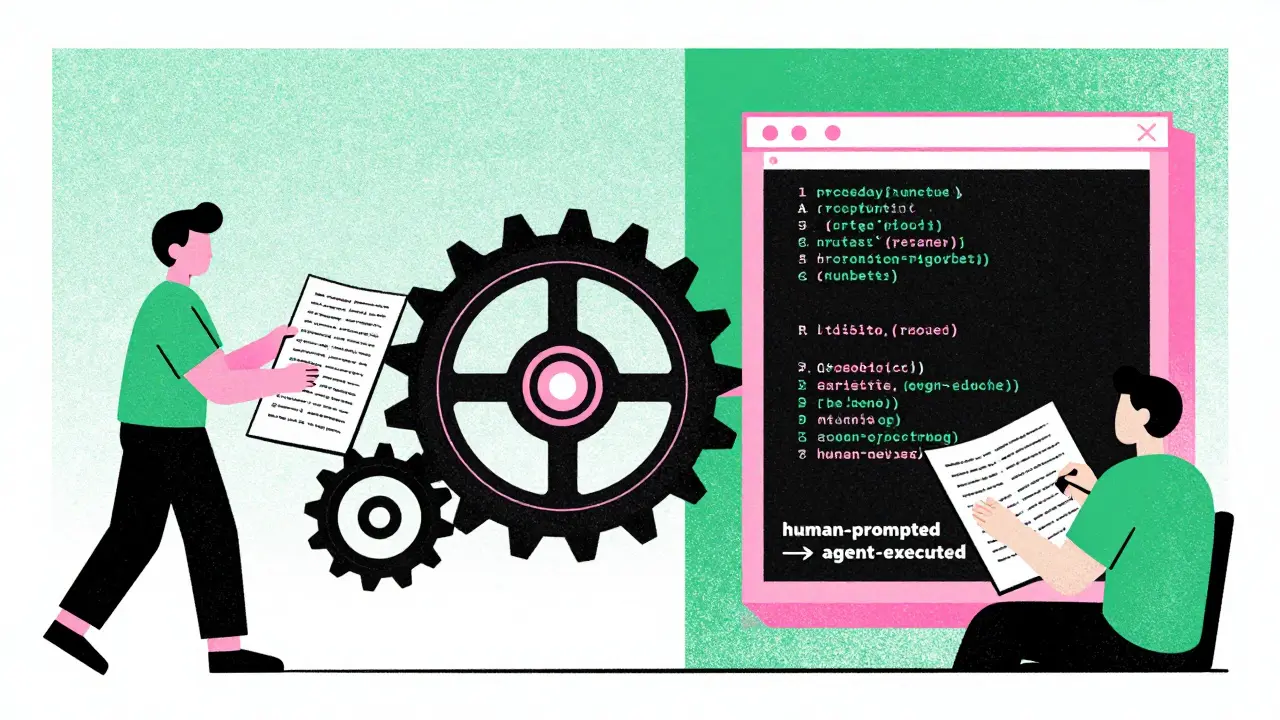
Here is the secret most experts won’t tell you upfront: you shouldn’t have to choose just one. The industry is moving toward hybrid implementations. Gartner predicts that 68% of development teams will adopt a "human-prompted → agent-executed → human-reviewed" pipeline by 2026.
Imagine this workflow: You use vibe coding to design the architecture and write the core business logic. You keep control here because it requires nuance and domain expertise. Then, you hand off the boring parts-writing tests, generating API docs, refactoring old modules-to an agentic system. Finally, you review the agent’s output before merging. This balances creativity with efficiency.
Tools are catching up to this reality. GitHub’s January 2026 release of Copilot Agent introduced an "autonomy dial," allowing developers to adjust autonomy levels from 0% to 100%. Devin 2.1 added "swarm validation," where multiple agents independently verify critical code changes. These features acknowledge that total autonomy isn’t always safe, but zero autonomy is too slow.
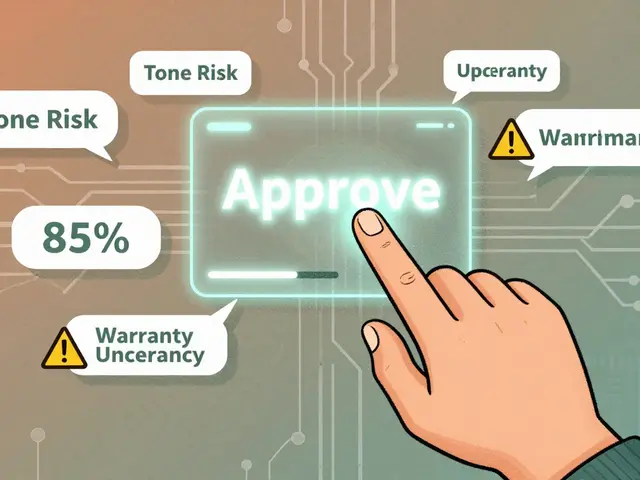
To make this work, teams need new practices. Vibe coding teams should establish "prompt hygiene" standards-keeping prompts under 500 characters with clear acceptance criteria. Agentic teams must implement "autonomy gates," where agents pause for human approval at critical decision points, like modifying database schemas or changing security protocols.
Avoiding Common Pitfalls
Even with the best tools, things can go wrong. Here are three traps to avoid:
- Skill Atrophy: Microsoft found a 23% decline in low-level debugging proficiency among teams using high-autonomy agentic coding for six months without structured skill maintenance. Don’t let the AI do everything. Keep practicing core skills so you can intervene when the agent fails.
- Spaghetti Code: Vibe coding can lead to messy, unstructured code if you’re not careful. Apiiro.com’s analysis showed that vibe-coded projects require 30-40% rework before production. Always refactor after the initial "vibe" session.
- Regulatory Blind Spots: The EU’s January 2026 AI Act requires "human-in-the-loop" verification for autonomously generated code in critical infrastructure. If you’re building for healthcare or finance, full autonomy might be illegal. Know your compliance requirements.
The goal isn’t to replace developers. As Ranjan Sapkota argues, successful AI software engineering relies on harmonizing strengths within a unified, human-centered lifecycle. You are the conductor; the AI is the orchestra. Play them together, and you’ll build faster, smarter, and with less stress.
Is vibe coding suitable for enterprise production environments?
Yes, but with caution. Vibe coding is excellent for rapid prototyping and internal tools, achieving a 92% success rate for simple CRUD applications. However, for mission-critical enterprise systems, it requires rigorous human review to prevent "spaghetti code" and ensure security compliance. Many enterprises use it for initial development but switch to stricter processes for final deployment.
What are the hardware requirements for running agentic systems locally?
Agentic systems are resource-intensive. Unlike vibe coding tools that run smoothly on standard workstations (8GB+ RAM), agentic systems often require 16GB+ RAM and preferably GPU acceleration to handle large language models (30B+ parameters) and multi-agent coordination efficiently. Cloud-based options are available but incur monthly costs ranging from $29 to $99.
How does the EU AI Act impact the use of agentic coding?
The EU AI Act, updated in January 2026, mandates "human-in-the-loop" verification for autonomously generated code in critical infrastructure sectors like finance and healthcare. This limits the ability to use fully autonomous agentic systems in these industries without significant human oversight, making hybrid approaches necessary for compliance.
Can agentic systems handle ambiguous requirements effectively?
Not well. Research shows agentic systems fail 62% of the time when specifications lack precision. They excel at executing clear, defined tasks but struggle with open-ended problems. Vibe coding performs better here (29% failure rate) because humans can clarify ambiguities through natural conversation during the process.
What is the "hybrid pipeline" recommended by Gartner?
Gartner recommends a "human-prompted → agent-executed → human-reviewed" pipeline. Developers use vibe coding to define architecture and core logic, delegate repetitive or large-scale tasks to agentic systems, and then manually review the output before integration. This approach balances speed with safety and is expected to be adopted by 68% of teams by 2026.