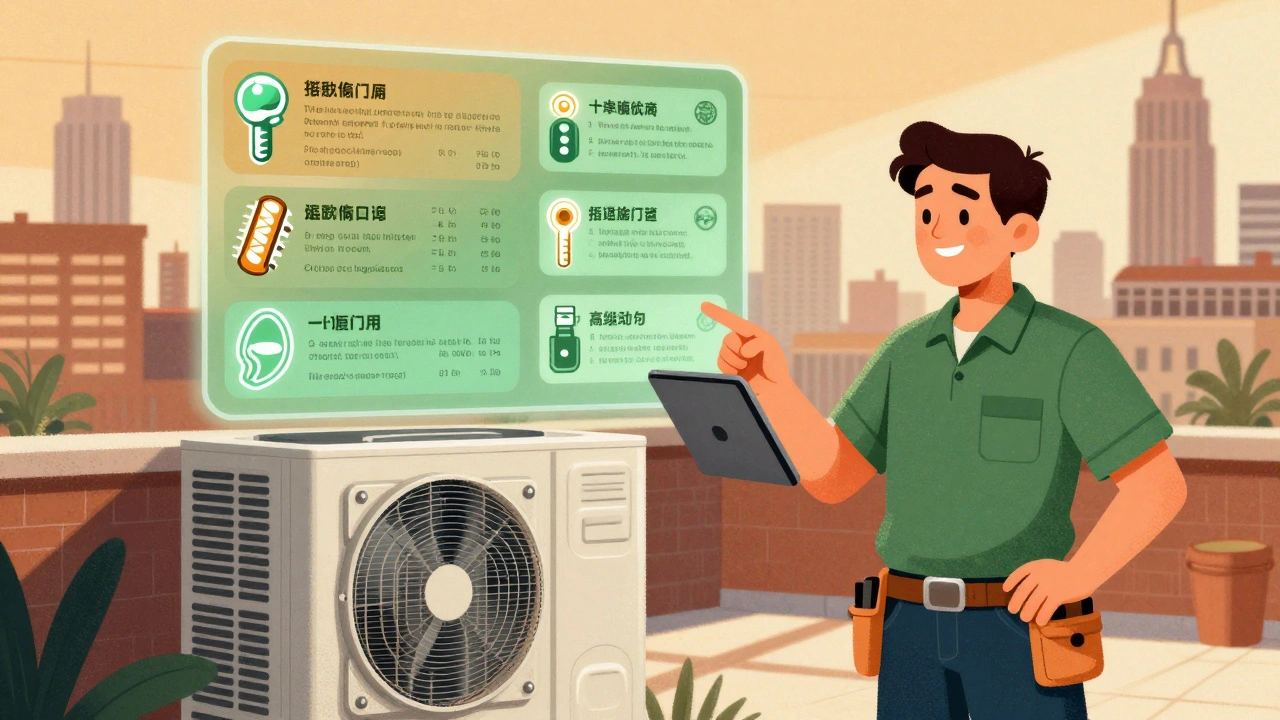
Field service technicians used to spend hours digging through manuals, calling support lines, or guessing what was wrong with a broken machine. Now, a technician in Chicago can point their tablet at a malfunctioning HVAC unit, and within seconds, an AI-generated diagnostic guide pops up - complete with step-by-step repair steps, torque specs, and a list of the exact parts needed. This isn’t science fiction. It’s happening right now, and it’s changing how field service teams operate.
How Generative AI Fixes Problems Before the Technician Arrives
Generative AI doesn’t just pull data from a database. It understands context. When a customer reports that their industrial freezer is cycling on and off every 12 minutes, the AI doesn’t just search for "freezer cycling." It combines that symptom with the model number, location, maintenance history, and real-time sensor data from similar units across the country. Then it generates a tailored diagnostic path.
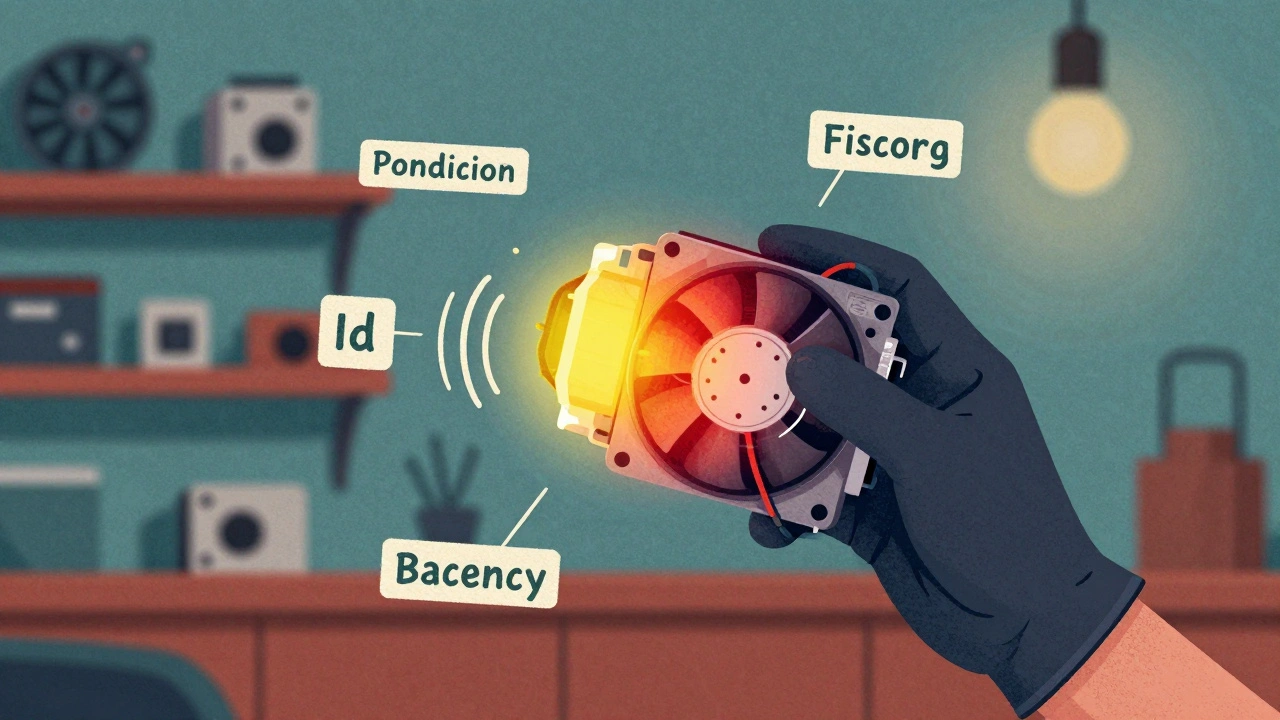
One major refrigeration company saw a 40% drop in repeat service calls after rolling out AI-guided diagnostics. Why? Because the AI caught a faulty condenser fan motor that technicians had misdiagnosed as a thermostat issue three times before. The AI didn’t just say "replace thermostat." It showed a thermal image overlay, pointed to the fan’s vibration pattern, and linked to a video of the exact replacement procedure.
This isn’t about replacing humans. It’s about giving them superpowers. A new technician with three months on the job can now perform repairs that used to require a senior tech - because the AI walks them through each step, warns them about common mistakes, and even suggests alternative solutions if the first part is out of stock.
Parts Recommendations That Actually Work
Getting the wrong part is still one of the biggest costs in field service. A technician shows up with a compressor that doesn’t fit. Or they bring the right part, but it’s the wrong version - a 2022 model instead of the 2023 revision that fixed a known leak issue.
Generative AI solves this by connecting parts data with real-world failure patterns. Instead of just matching part numbers, it asks: "Which parts have failed on this exact model in the last 6 months? What’s the failure rate for this component in humid climates? Has this part been recalled?"
One HVAC distributor integrated AI into their mobile app. Now, when a technician scans a serial number, the system doesn’t just list compatible parts. It ranks them:
- Recommended - the part that solved 92% of similar failures in the last year
- Alternative - a newer version with better warranty terms
- Backorder - if the top choice is unavailable, the AI suggests the next best option with delivery time
That same distributor cut parts returns by 58% in nine months. Technicians stopped guessing. They started trusting the AI’s recommendations - not because it was flashy, but because it was consistently right.
Why Generic Knowledge Bases Fail (and AI Doesn’t)
Old-school knowledge bases are full of outdated diagrams, vague instructions, and irrelevant troubleshooting trees. "Check the pressure valve" is useless if the valve on this model is hidden behind a panel that requires a special tool - a detail no one updated in the manual since 2018.
Generative AI learns from what actually works. It ingests:
- Service logs from thousands of completed jobs
- Video recordings of repairs (with technician annotations)
- Parts return records
- Customer feedback on repair quality
Then it builds dynamic guides that evolve. If 15 technicians in Texas all report the same issue with a specific control board - and all fix it by bypassing a corroded ground wire - the AI updates every future diagnostic guide for that model in the region. No waiting for a quarterly manual update. No email chain. It just happens.
This is why AI-driven field service tools outperform static systems: they’re alive. They adapt. They learn from every repair, every mistake, every success.
Real-World Impact: Time, Cost, and Customer Satisfaction
Companies using generative AI in field service report measurable gains:
- First-time fix rate up by 35-50%
- Average repair time reduced by 25-40%
- Parts inventory costs down 20-30% because technicians order only what’s needed
- Customer satisfaction scores jump 20-35% - people notice when a technician shows up, fixes it fast, and doesn’t come back
A medical equipment company in Germany saw their average service call drop from 2.7 hours to 1.6 hours after deploying AI guides. Why? Technicians stopped flipping through 80-page PDFs. Instead, they got a clean, voice-guided walkthrough on their headset: "Turn the dial clockwise. Listen for the click. Now unplug the yellow cable - it’s the one with the red clip."
That’s not just efficiency. That’s dignity. Technicians aren’t drowning in paperwork. They’re doing skilled work - with better tools.
What You Need to Make This Work
Generative AI won’t fix your field service if your data is a mess. You need three things:
- Clean, structured service history - every repair, every part replaced, every error code logged. If you’re still using paper forms, start digitizing.
- Real-time equipment telemetry - sensors on machines that send runtime data, temperature spikes, vibration levels. Even basic IoT sensors make a huge difference.
- Technician feedback loops - let your team flag when the AI is wrong. That feedback trains the system. The more they use it, the smarter it gets.
Don’t try to replace your entire system overnight. Start with one equipment type. One region. One team. Let the AI prove itself. Then scale.
Some companies worry about AI giving bad advice. But the real risk isn’t the AI being wrong - it’s the old way being wrong more often, and nobody noticing.
What’s Next? The AI That Learns From You
The next wave of field service AI won’t just answer questions. It’ll anticipate them.
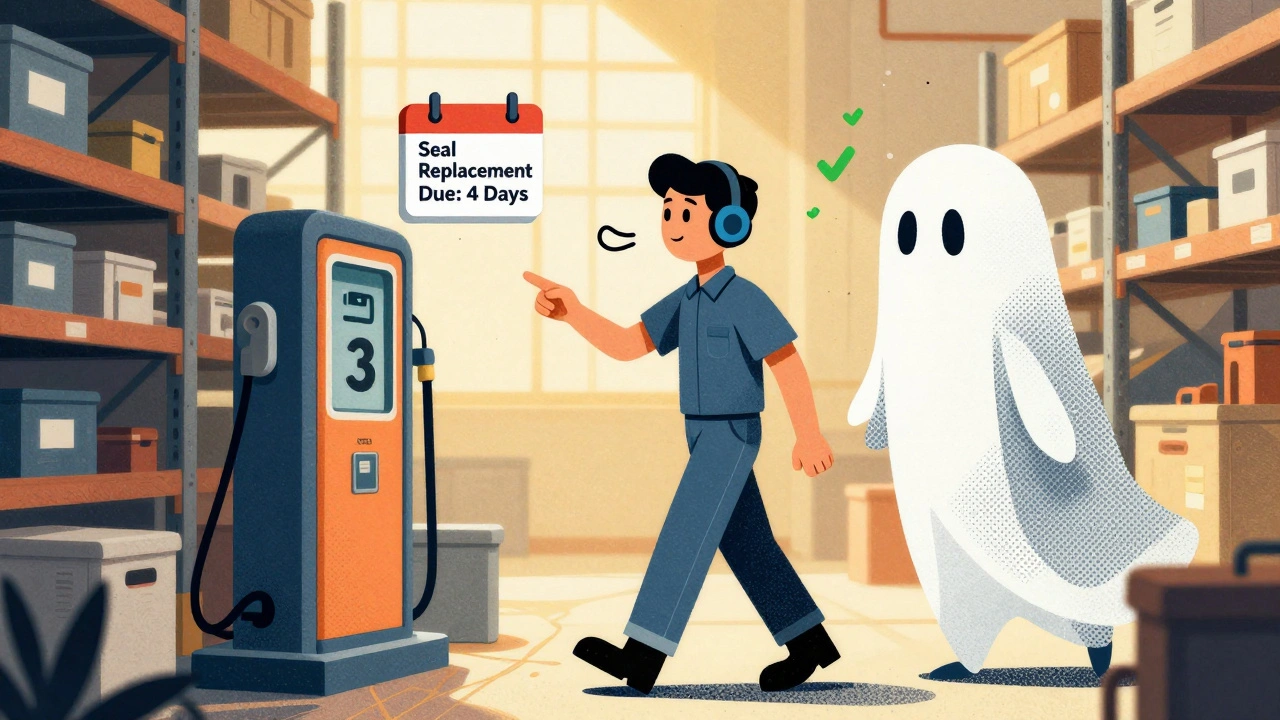
Imagine a technician walking into a warehouse. Their headset buzzes: "There’s a pump on aisle 3 that’s showing abnormal pressure fluctuations. It’s due for a seal replacement in 4 days. You’ve fixed this exact issue twice before. Want to preempt it?"
That’s not far off. Companies are already testing AI that predicts failures before they happen - using patterns from thousands of machines. It’s not magic. It’s math. And it’s working.
Field service is no longer about who knows the most. It’s about who can access the right information, at the right time, with the least friction. Generative AI isn’t just a tool anymore. It’s becoming the new standard for how skilled workers do their jobs.
FAQ
Can generative AI replace field service technicians?
No. Generative AI doesn’t replace technicians - it empowers them. AI handles research, data analysis, and step-by-step guidance. Technicians handle judgment, physical work, and complex problem-solving. The best results happen when both work together. A technician with AI support fixes more problems, faster, and with fewer mistakes - but they still need their hands, eyes, and experience.
Does this work for small service companies?
Yes. Many AI tools now offer subscription plans for small teams. You don’t need a huge IT department. Cloud-based platforms let you upload service logs, connect sensors, and start using AI guides in under a week. Some solutions cost less than $50 per technician per month. The return on investment comes quickly - fewer repeat visits, less wasted parts, and happier customers.
What if the AI gives the wrong recommendation?
All AI systems make mistakes - especially early on. The key is feedback. Most platforms let technicians tap a "This was wrong" button. That input gets fed back into the system. After 5-10 corrections, the AI adjusts its guidance for that specific issue. It’s not perfect on day one, but it gets smarter with every repair.
Do I need IoT sensors to use AI diagnostics?
Not always. You can start with just service logs and customer reports. But if you have sensors that track temperature, pressure, or runtime, your AI will be 3-5 times more accurate. Think of sensors as the AI’s eyes. The more data it has, the better it understands what’s really happening.
How long does it take to see results?
Most companies see improvements in 60-90 days. First-time fix rates go up. Parts returns drop. Technicians report less stress. Full optimization takes 6-12 months, but the early wins - like cutting repeat visits - happen fast. The biggest gains come from consistency, not speed.
Is this secure? Can customers’ data be exposed?
Reputable AI platforms for field service use enterprise-grade encryption and comply with GDPR and HIPAA. They don’t store raw customer data. Instead, they use anonymized patterns - like "Model X-200 in Chicago had 12 failures in 2025 due to corroded wiring." No names, no addresses, no personal info. Always ask vendors about their data handling policies before signing up.
Next Steps for Your Team
If you’re thinking about trying generative AI in field service, start here:
- Identify your biggest pain point - Is it too many repeat visits? Too many wrong parts? Slow onboarding for new techs?
- Choose one equipment type - Don’t try to automate everything at once. Pick the most common or costly machine to start.
- Collect 6 months of service data - Logs, photos, parts used, customer feedback. This is your training ground.
- Test one AI tool - Look for platforms that offer free trials with your own data. See how it performs in real conditions.
- Train your team - Show them how to use it, how to correct it, and how it saves them time.
Field service is hard work. It’s dirty, unpredictable, and demanding. Generative AI doesn’t make it easier because it’s magic. It makes it easier because it removes the noise - so technicians can focus on what matters: fixing things, well, and fast.



Xavier Lévesque
10 December, 2025 - 12:29 PM
So now we’re outsourcing critical thinking to a chatbot that learned from 10,000 bad repairs? Cool. I’ll just point my tablet at the broken machine and let it tell me which wire to cut. Next they’ll replace the wrench with an algorithm.
Meanwhile, the techs who actually know how to listen to a machine humming will be fired for ‘inefficiency.’
Thabo mangena
12 December, 2025 - 00:35 AM
It is indeed a remarkable advancement in the field of service engineering. The integration of artificial intelligence into diagnostic procedures reflects a profound commitment to precision, efficiency, and the upliftment of skilled labor across the globe. In South Africa, where resources are often scarce, such tools could dramatically reduce downtime and empower technicians with knowledge previously accessible only to senior engineers.
This is not merely technological progress-it is a step toward equitable professional development.
Karl Fisher
13 December, 2025 - 03:56 AM
Okay but have you seen the AI’s recommendations? Last week my cousin’s HVAC guy used one and it told him to replace a $2,000 motor… that was fine. The real issue? The capacitor was fried. The AI didn’t even mention it. Like, did it learn from TikTok repair videos? I swear, half the time these systems are just fancy autocomplete for people who don’t read manuals anymore.
Also, the video walkthrough? It was in 4K. But the tech was wearing sunglasses indoors. I’m not mad. I’m just disappointed.
Buddy Faith
14 December, 2025 - 20:22 PM
ai is watching you
theyre tracking every part you touch every screw you turn every time you curse at a machine
next thing you know your boss gets a notification that you took 17 seconds too long to unscrew a panel
theyre not helping you theyre training a robot to replace you
trust the algorithm and youll be the last tech standing
or the first one fired
Scott Perlman
14 December, 2025 - 23:36 PM
My uncle’s a tech for medical gear. He said the AI saved him on a dialysis machine last month. He didn’t know what was wrong. The AI said ‘check the air trap’ and it was right. No manual. No call to support. Just worked.
Used to take him 3 hours. Now it’s 45 minutes. He says he’s less tired. That’s good enough for me.
Let people use it. It helps.
Sandi Johnson
16 December, 2025 - 02:38 AM
Oh so now we’re supposed to believe that the same company that sold us $12,000 of broken printers for ten years is suddenly the hero of field service?
AI says ‘replace this part’ - sure. And then it’s ‘oops, that part’s discontinued, here’s a $400 upgrade’.
Let me guess - the AI’s training data is just the sales team’s PowerPoint slides with extra steps.
But hey, at least it’s got a nice UI. And a voice that sounds like a Siri who got a promotion.