Category: Software Development - Page 7
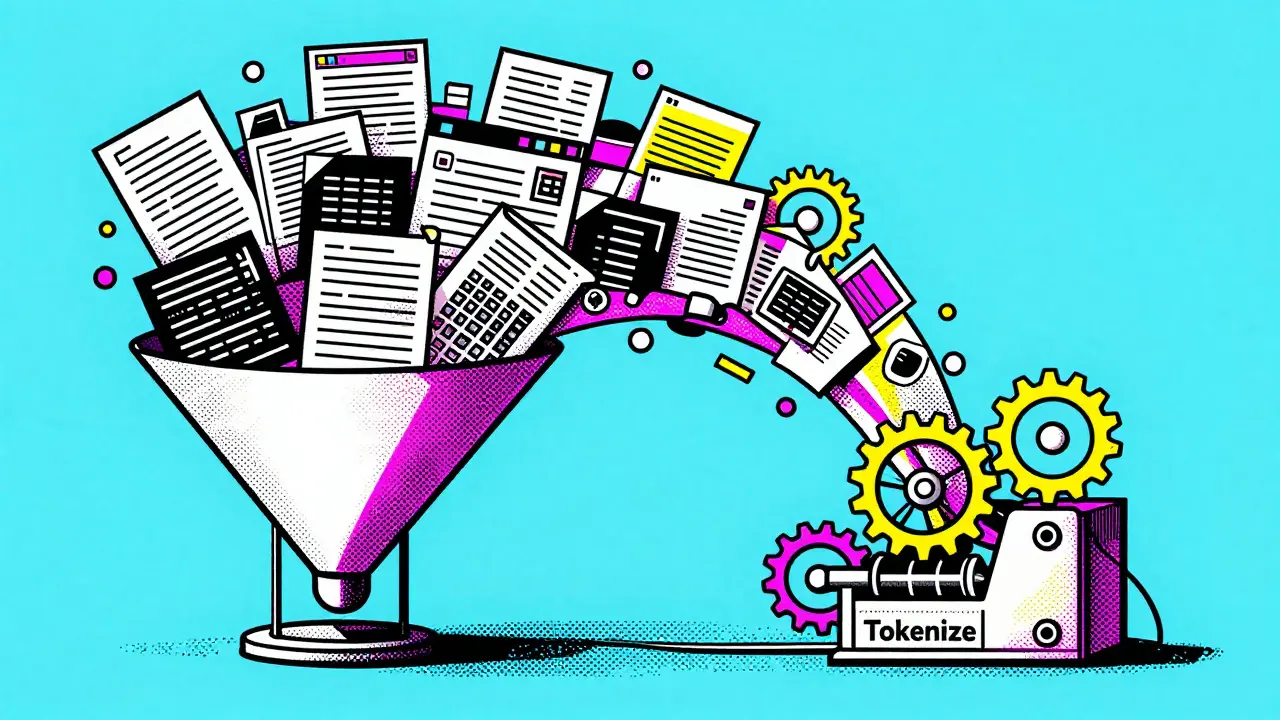
End-to-End LLM Training Pipeline: From Data to Deployment (2026 Guide)
A comprehensive guide to building end-to-end LLM training pipelines in 2026. Learn about data ingestion, distributed training, evaluation, deployment, and monitoring using LLMOps best practices.
Read More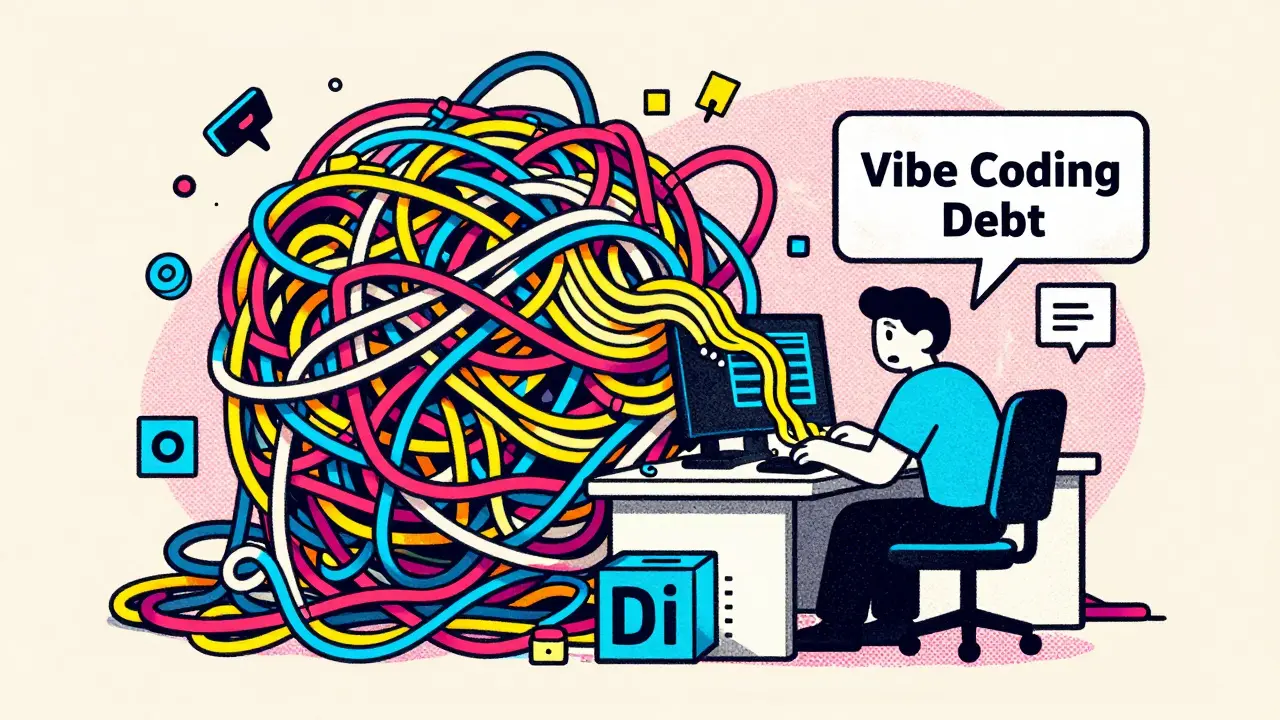
Dependency Injection in Vibe-Coded Backends: A Guide to Testability and Modularity
Learn how dependency injection transforms vibe-coded backends into testable, modular systems. Explore FastAPI patterns, security benefits, and real-world data on improving code quality with AI.
Read More
How to Choose Batch Sizes to Minimize Cost per Token in LLM Serving
Learn how to choose the right batch size for LLM serving to minimize cost per token. Discover optimal ranges for text generation, classification, and Q&A, plus advanced techniques like continuous batching.
Read More
Input Validation for LLM Applications: Sanitization in a Natural Language World
Learn how to secure LLM applications with effective input validation and sanitization. Explore defense strategies against prompt injection, compare guardrails tools, and meet regulatory requirements.
Read More
AI Code Is Guilty Until Proven Secure: A Policy Framework for Teams
Explore why AI-generated code requires a 'guilty until proven secure' policy. Learn how to implement zero-trust frameworks, automate security checks, and protect your team from emerging AI-specific vulnerabilities.
Read More
Model Selection for Vibe Coding: Claude, GPT-4, and Gemini Compared
Compare Claude, GPT-4, and Gemini for vibe coding. Learn how to build a tiered AI workflow to cut costs by 37% and boost dev speed.
Read More
Data Extraction and Labeling with LLMs: Turning Text into Structured Insights
Learn how to use LLMs for automated data extraction and labeling. Turn unstructured text into structured insights with practical workflows, tools, and best practices for high accuracy.
Read More
Generative AI for Software Development: Productivity Gains from AI Coding Assistants
Explore real-world productivity gains and hidden risks of AI coding assistants in 2026. Learn which tools deliver value, where they fail, and how to implement them securely.
Read More
Vibe Coding and DevOps: How AI Agents Are Redefining Pipelines and On-Call Practices
Explore how vibe coding and VibeOps are transforming DevOps by using AI agents to automate pipelines, enable autonomous deployment, and redefine on-call practices for faster, safer software delivery.
Read More
Choosing Embedding Dimensionality for Large Language Model RAG Systems
Learn how to choose the right embedding dimensionality for RAG systems. We compare 384 vs 768 vs 3072 dimensions, discuss MRL, quantization, and storage trade-offs for optimal retrieval performance.
Read More
Reusable Prompt Snippets for Common App Features in Vibe Coding
Learn how reusable prompt snippets streamline Vibe Coding. Discover best practices, tools, and strategies to cut development time by 37% and boost consistency.
Read More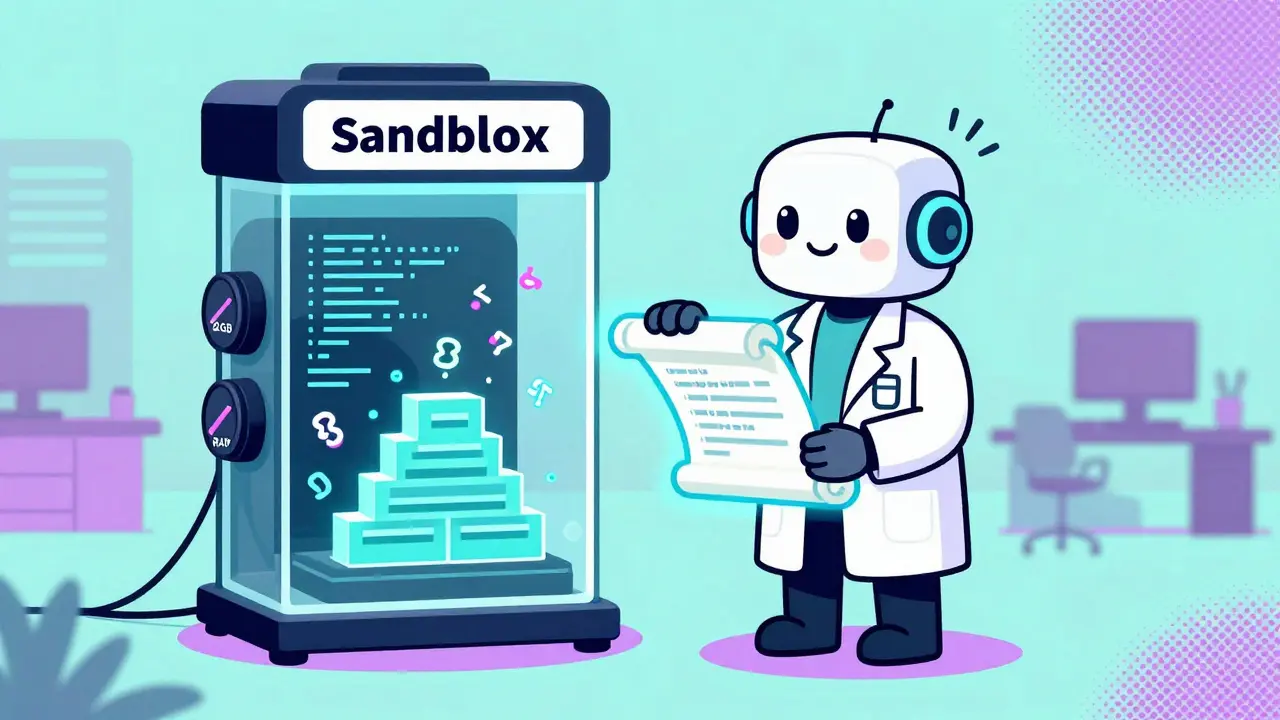
Code Execution for LLM Agents: Risks, Tools, and Security Guide
Explore how code execution transforms LLM agents into active problem-solvers. Learn about security risks, platform comparisons, and best practices for safe implementation in 2026.
Read More