Why Your Sales Team Is Still Stuck in the Past
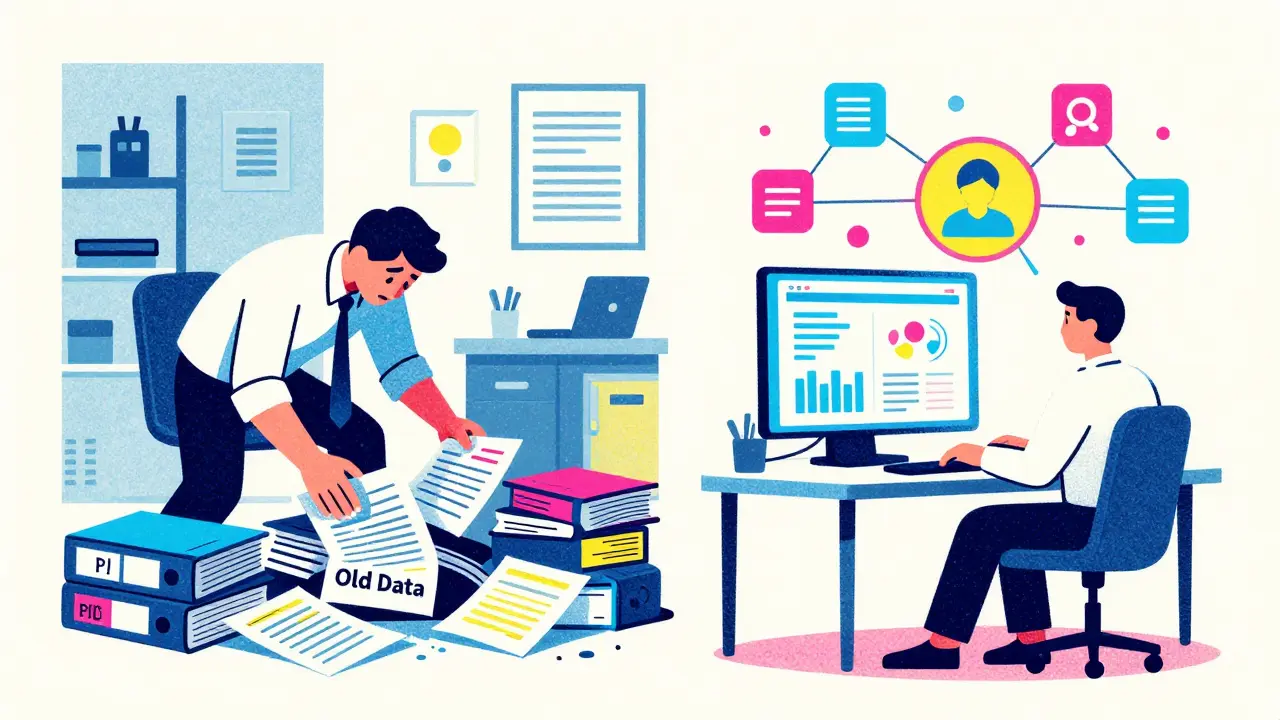
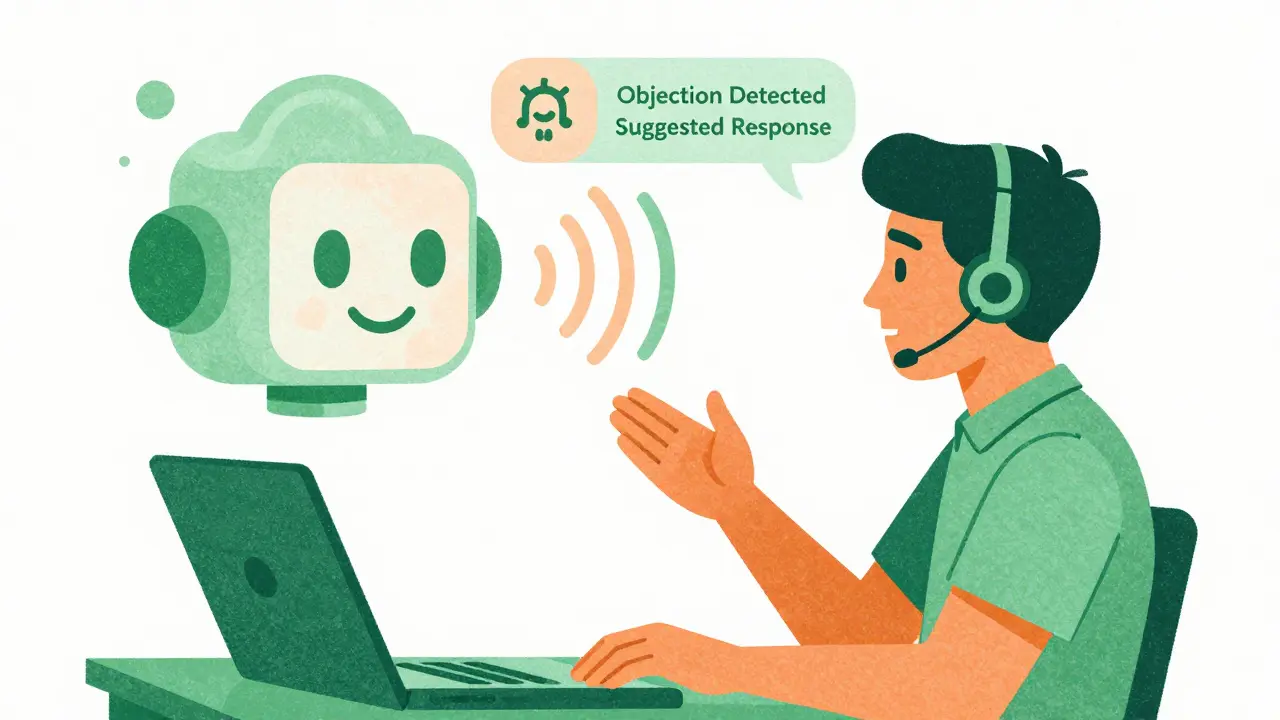
Imagine you are on a high-stakes call with a prospect who has been listening to your competitor’s marketing for weeks. They drop a specific objection about pricing or feature gaps. In the old world, you would have to pause, mentally search through a PDF buried in a shared drive, or hope your manager sent you an email last Tuesday that covered this exact scenario. Now imagine if your CRM instantly popped up a tailored response, backed by real customer case studies, right as they said those words.
This is not science fiction anymore. It is the new reality of Sales Enablement Using Large Language Models (LLMs), which transforms static resources into dynamic, real-time intelligence. For years, revenue operations teams treated sales enablement as a content problem-creating decks, writing scripts, and hoping reps memorized them. Today, it is a data problem. By leveraging AI agents and conversational intelligence, organizations can deliver contextual guidance during active customer interactions, turning every objection into a winnable moment rather than a missed opportunity.
The Shift from Static to Dynamic Intelligence
Traditional sales enablement relied heavily on static assets. You created a battlecard for Competitor A, another for Competitor B, and hoped your Account Executives knew when to use which one. The problem? These documents became outdated the moment they were published. Product features changed, competitors adjusted their messaging, and market conditions shifted. Meanwhile, your sales reps were still using three-month-old talking points that no longer resonated.
Modern implementations leverage AI-powered sales assistants to bridge this gap. Instead of searching for information, reps get proactive suggestions. If a prospect mentions a security concern, the system doesn’t just send a generic link; it surfaces a specific testimonial from a similar industry vertical that addresses that exact fear. This shift reflects a deeper understanding within RevOps teams: objection handling should be systematic, data-driven, and continuously optimized, not just a training exercise done once a quarter.
Reinventing Battlecards for the AI Era
Battlecards remain the foundational asset in any sales enablement architecture, but their structure needs a complete overhaul to work with modern technology. A robust Stage 4 Sales Enablement Toolkit includes competitive positioning intelligence, discovery playbooks, and differentiation angles. However, simply having these documents is not enough. They need to be structured so that Large Language Models can parse, understand, and repurpose them dynamically.
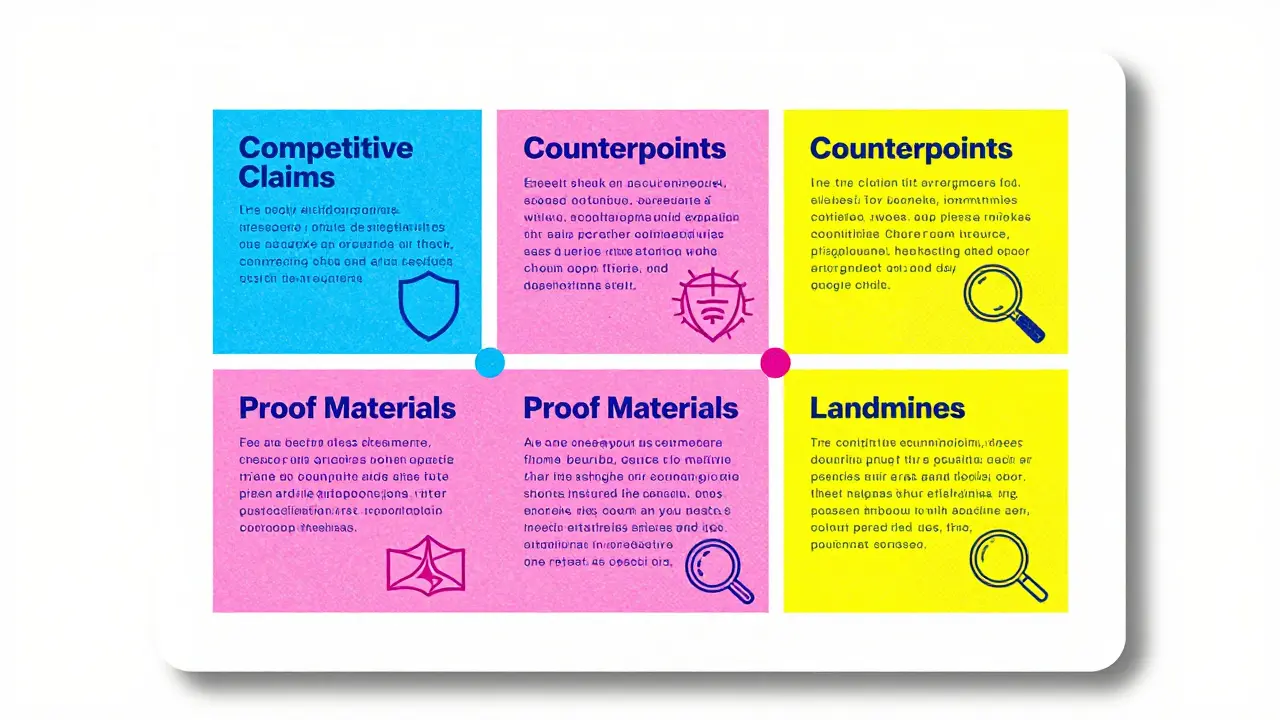
Think about how you currently build battlecards. Do you write long paragraphs explaining why your product is better? That works for human reading, but it is terrible for AI retrieval. To make battlecards "AI-ready," you must break them down into discrete, searchable entities. Each card should clearly define:
- Competitive Claims: What does the competitor say?
- Counterpoints: What is the factual rebuttal?
- Proof Materials: Links to third-party validation like Gartner reports or customer case studies.
- Landmines: Specific questions to ask that expose the competitor’s weaknesses.
When you structure data this way, an LLM can instantly match a prospect’s comment to the correct counterpoint. For example, if a prospect says, "Competitor X has better integration capabilities," the AI doesn’t guess. It retrieves the specific proof point about your native API advantage and suggests a relevant case study from a client who faced the same issue. This precision increases adoption because reps trust the accuracy of the suggestion.
Role-Based Customization
One-size-fits-all battlecards fail because different roles encounter competitors differently. A Business Development Representative (BDR) making cold calls needs quick, punchy differentiators to survive a 15-second gatekeeper check. An Account Executive (AE) mid-deal needs deep technical comparisons and ROI calculators. A Sales Engineer needs architectural diagrams and security compliance details.
Advanced enablement frameworks now support role-based battlecard architectures. This means the AI delivers only the most relevant talk tracks to each persona. When a BDR asks for help against Competitor Y, they get a concise script focused on price-to-value ratio. When an AE asks the same question, they receive a detailed comparison table highlighting total cost of ownership over three years. This targeted approach reduces cognitive load and ensures reps aren’t overwhelmed with irrelevant information.
Objection Handling as a Data Workflow
Objection handling is often the biggest leak in the sales funnel. Common objections include feature gaps, implementation time concerns, pricing pushback, and existing tool substitution. Traditionally, teams handled these reactively. A rep would struggle with an objection, lose the deal, and maybe mention it in a weekly meeting. By then, the damage was done.
Modern RevOps teams treat objections as institutional data problems. They implement structured workflows that capture, analyze, and optimize responses systematically. Here is what a basic objection operations workflow looks like:
- Tagging: Reps tag objections in their CRM or conversation intelligence platform by category (e.g., Pricing, Timing, Competitor).
- Review: Managers review top objections weekly during pipeline reviews.
- Update: Enablement teams update response playbooks monthly based on win/loss data.
- Certify: AI role-play tools certify reps on updated responses before deploying them to live deals.
This data-driven approach allows organizations to identify which rebuttals correlate with higher close rates. If you notice that mentioning a specific customer success story increases win rates by 15% when facing pricing objections, you embed that insight into your AI assistant. The next time a rep faces a price objection, the system suggests that specific story. You measure response effectiveness by win rate impact, turning anecdotal feedback into actionable competitive intelligence.
The Klue Framework for Effective Responses
A proven method for structuring these responses is the Klue framework, which emphasizes three main elements: the type of objection, what competitors claim, and counterpoints with supporting proof. Crucially, modern best practices recommend allowing reps to develop authentic responses rather than providing exact scripted lines. Scripts sound robotic and can backfire if delivered poorly.
Instead, provide the underlying positioning and key facts. Let the rep use their own voice. However, newly trained or inexperienced reps benefit from including actual go-to phrases. The AI can offer these phrases as optional suggestions, helping junior reps build confidence while senior reps focus on strategy. This balance ensures consistency without sacrificing authenticity.
Conversational Summaries and Real-Time Coaching
Perhaps the most powerful application of LLMs in sales enablement is the generation of conversational summaries and in-the-moment coaching. After every call, reps spend valuable time manually updating CRM records. This administrative burden takes away from selling. With AI-enabled platforms, this process becomes automatic.
Advanced systems listen to the call in real-time, transcribe the conversation, and generate a summary that highlights key objections, agreed-upon next steps, and sentiment analysis. But it goes further. During the call, if the AI detects a keyword associated with a known objection, it can trigger a subtle notification to the rep’s screen. For instance, if a prospect mentions "budget approval delays," the system might suggest sending a pre-written email template that outlines flexible payment terms or offers a phased implementation plan.
This level of contextual guidance reduces the friction of searching through documentation. Reps stay in the flow of conversation, knowing that backup is available instantly. Over time, these interactions create a rich dataset that helps refine future strategies. The AI learns which suggestions lead to positive outcomes and adjusts its recommendations accordingly.
| Feature | Traditional Approach | AI-Enabled Approach |
|---|---|---|
| Content Format | Static PDFs and Decks | Dynamic, Contextual Suggestions |
| Objection Handling | Reactive, Manual Search | Proactive, Keyword-Triggers |
| Update Frequency | Quarterly or Annually | Real-Time Based on Win/Loss Data |
| Personalization | One-Size-Fits-All | Role-Specific and Prospect-Tailored |
| Data Usage | Anecdotal Feedback | Systematic Analytics and Correlation |
Implementation Strategy: Building Your AI-Ready Toolkit
Implementing this transformation requires more than just buying a new software tool. It demands a structured timeline and cultural shift. A typical four-week enablement engagement provides a solid foundation for launching AI-enhanced processes.
In Week 1, focus on competitive discovery and landscape analysis. Draft initial battlecards that are structured for AI parsing. Identify the top 10 objections your team faces most frequently. In Week 2, develop messaging hierarchies and ICP-specific value propositions. Ensure these messages are clear, concise, and backed by data. Week 3 is dedicated to demo narrative creation and objection-handling script development. Work closely with sales engineers to ensure technical accuracy. Finally, Week 4 involves live enablement sessions where you walk teams through how to use the new AI tools. Teach them what to say, what not to say, and how to interpret AI suggestions.
Crucially, you must choose the right infrastructure. Conversation intelligence platforms like Gong or Chorus highlight recurring objections and enable manager coaching using real call data. Enablement content platforms like Seismic or Highspot centralize assets tied to product or persona. Coaching tools like Mindtickle reinforce frameworks through simulations. And workflow AI platforms like Proshort embed contextual guidance directly into daily tools like CRM, Slack, or email. Integrating these systems creates a seamless experience where intelligence flows naturally into the rep’s workflow.
Maintaining Relevance in a Changing Market
Battlecards and objection handlers require ongoing maintenance. The product evolves, competitors launch new features, and market dynamics shift. If you stop updating your enablement assets, they become liabilities. Organizations should regularly audit objections using CRM notes, call recordings, and lost-reason data. Map each objection to appropriate enablement content, including case studies, competitor comparisons, and ROI calculators.
This systematic approach ensures your battlecards remain relevant and effective. It also builds trust with your sales team. When reps see that the AI consistently provides accurate, helpful suggestions, they rely on it more. This creates a virtuous cycle: more usage generates more data, which improves the AI’s accuracy, which drives better results. Conversely, ignoring updates leads to frustration and abandonment of the tools.
As we move further into 2026, the distinction between companies that treat sales enablement as a content library versus those that treat it as a dynamic, AI-driven intelligence engine will widen. The winners will be those who empower their reps with real-time, contextual support, turning every interaction into an opportunity to demonstrate value and overcome objections with confidence.
What makes a battlecard "AI-ready"?
An AI-ready battlecard is structured with discrete, searchable entities rather than long paragraphs. It includes clear sections for competitive claims, counterpoints, proof materials, and landmines. This structure allows Large Language Models to parse the content accurately and retrieve specific insights based on keywords detected in conversations.
How do LLMs improve objection handling?
LLMs improve objection handling by analyzing historical call data to identify which rebuttals correlate with higher win rates. They can then proactively suggest these proven responses to reps in real-time when specific objection keywords are detected. This shifts the process from reactive guessing to data-driven decision-making.
Should I use scripted responses or authentic phrasing?
Best practices recommend providing underlying positioning and key facts, allowing reps to use their own authentic voice. Scripted responses can sound robotic and may backfire. However, for new or inexperienced reps, including optional go-to phrases can help build confidence and ensure consistent messaging.
What is the role of conversation intelligence platforms in this process?
Conversation intelligence platforms like Gong or Chorus record and transcribe sales calls. They highlight recurring objections, track sentiment, and provide managers with data for coaching. This data feeds into the AI enablement system, ensuring that suggestions are based on real-world interactions and performance metrics.
How often should battlecards be updated?
Battlecards should be reviewed and updated monthly based on win/loss data, new product features, and changes in the competitive landscape. Regular audits using CRM notes and call recordings ensure that the information remains accurate and relevant, maintaining rep trust and effectiveness.



Aaron Elliott
2 May, 2026 - 23:03 PM
It is rather tedious to observe the relentless pursuit of technological solutions for problems that are fundamentally human in nature. The notion that one might replace the nuanced art of persuasion with a static algorithmic output is both amusing and deeply concerning. We seem to have forgotten that sales, at its core, relies on empathy and genuine connection, not merely the retrieval of pre-packaged counterpoints from a digital repository. This obsession with efficiency often strips away the very essence of what makes a transaction meaningful.
Chris Heffron
4 May, 2026 - 13:46 PM
I must admit, the grammar in this post is quite impeccable :). It is refreshing to see such clarity in technical writing. However, I wonder if the average sales representative will actually take the time to structure their battlecards in such a meticulous manner. It seems like a lot of work upfront for a potential payoff later on. Still, the idea of AI handling the heavy lifting during calls sounds appealing enough to try out :).
Adrienne Temple
6 May, 2026 - 04:43 AM
This is such a helpful breakdown! :) I really appreciate how you explained the difference between static and dynamic intelligence. It makes so much sense now why our old PDFs were failing us. I think many teams struggle with the transition because they don't know where to start. Breaking it down into discrete entities like competitive claims and proof materials seems like a great first step. Does anyone else feel overwhelmed by the amount of data we need to manage? I find it hard to keep up with all the updates sometimes. But knowing that AI can help sort through it gives me hope! :)
Sandy Dog
6 May, 2026 - 05:17 AM
Oh my gosh, this is absolutely terrifying yet fascinating all at once! :O Imagine sitting in a high-stakes meeting and having a robot whispering in your ear about what to say next. It feels so invasive, doesn't it? Like Big Brother is watching every single word you utter to ensure maximum profitability. But then again, who doesn't want to win more deals, right? I mean, if the AI can predict exactly when someone is going to object based on some weird keyword trigger, isn't that just magic? Or is it dystopian horror? I honestly cannot decide which way my feelings are leaning today. One moment I am cheering for progress, and the next I am wondering if we are losing our souls to algorithms. It is a wild ride for sure! :D
Nick Rios
6 May, 2026 - 13:52 PM
I can see where the skepticism comes from, but I truly believe this technology has the potential to empower salespeople rather than replace them. It is not about removing the human element; it is about reducing the cognitive load so reps can focus on building relationships. When a rep does not have to frantically search for a case study while a prospect is waiting, they can maintain eye contact and listen better. That leads to more authentic interactions. I have seen teams struggle with information overload, and having an AI assistant curate relevant insights seems like a compassionate solution to that problem. It allows everyone to do their best work without the stress of forgetting critical details.
Amanda Harkins
7 May, 2026 - 04:23 AM
Just another day in the matrix, huh?