AI Hallucinations: What They Are, Why They Happen, and How to Stop Them
When an AI gives you a confident answer that’s completely wrong—like citing a fake study or inventing a non-existent law—that’s an AI hallucination, a false or fabricated output generated by a language model that appears plausible but lacks factual grounding. Also known as factually incorrect generation, it’s one of the biggest roadblocks to trusting AI in real-world apps. You’ve probably seen it: an AI writing a legal brief with fake case law, generating product specs that don’t exist, or even inventing historical events. It’s not broken—it’s just guessing too hard.
These hallucinations happen because large language models don’t know facts—they predict the next word based on patterns in training data. If the pattern sounds right but isn’t true, the model will still spit it out. That’s why simply asking for "more accurate" answers doesn’t fix it. What works are systems that ground responses in real data. Retrieval-Augmented Generation (RAG), a technique that pulls in verified external data to guide AI responses. Also known as context-aware generation, it keeps LLMs from making things up by giving them trusted sources to cite. Then there’s function calling, a method where the AI asks to use real tools like databases or APIs to fetch live information. Also known as tool use, it turns the AI from a storyteller into a helper that checks facts before answering. And when you’re dealing with public-facing content, safety classifiers, automated systems that detect and block harmful or false outputs before they’re seen by users. Also known as content moderation filters, they act like a final safety net to catch hallucinations that slip through. These aren’t optional extras—they’re core parts of any production-grade AI system.
Companies that ignore this end up with angry customers, legal trouble, or damaged trust. You can’t just say "the AI is wrong sometimes" and move on. You need controls. You need checks. You need to know when the model is guessing—and stop it before it misleads someone. The posts below show exactly how developers are fixing this right now: how RAG cuts hallucinations by 70% in customer support bots, how function calling lets LLMs pull real-time inventory data instead of inventing stock levels, and how safety classifiers catch dangerous lies before they reach users. These aren’t theory papers—they’re working code, real benchmarks, and battle-tested patterns you can use today.

Citations and Sources in Large Language Models: What They Can and Cannot Do
LLMs can generate convincing citations-but most are fake. Learn why AI hallucinates sources, how often they get it wrong, and how to use them safely without trusting their references.
Read More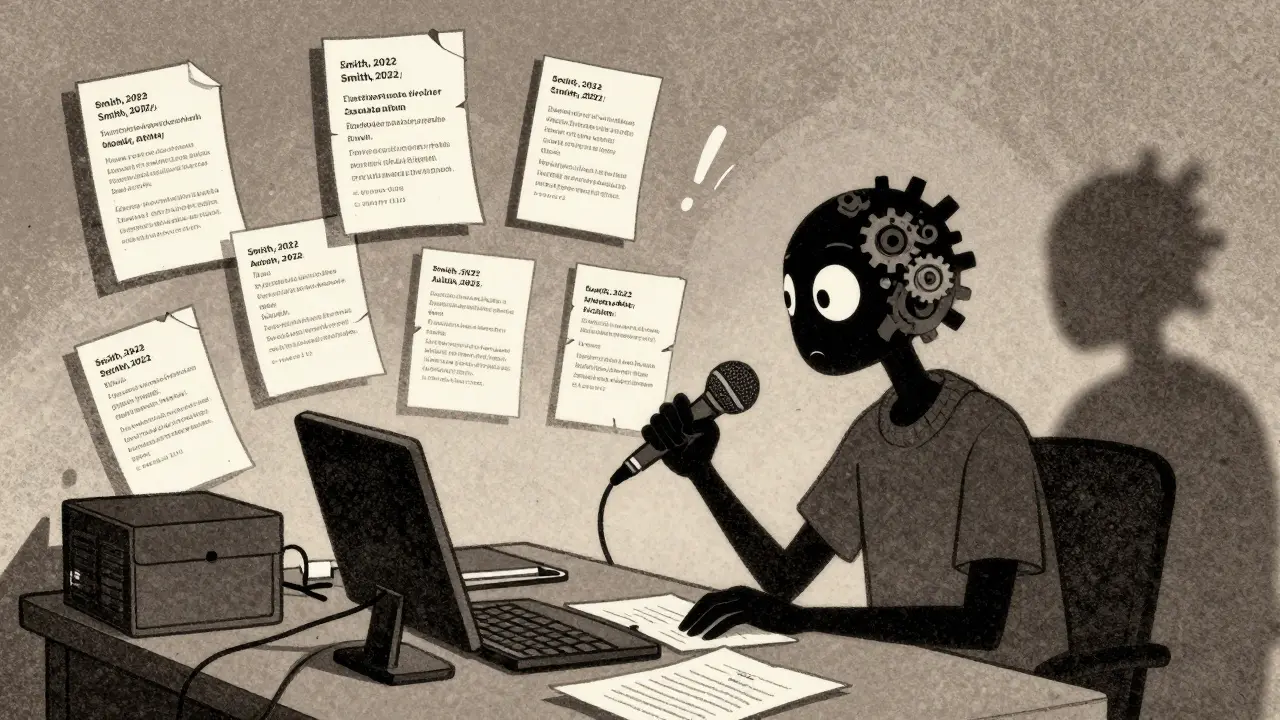
How to Detect Fabricated References in Large Language Model Outputs
Fabricated references from AI models are slipping into real research papers. Learn how to detect them, why they happen, and what institutions must do to stop them before science loses its foundation.
Read More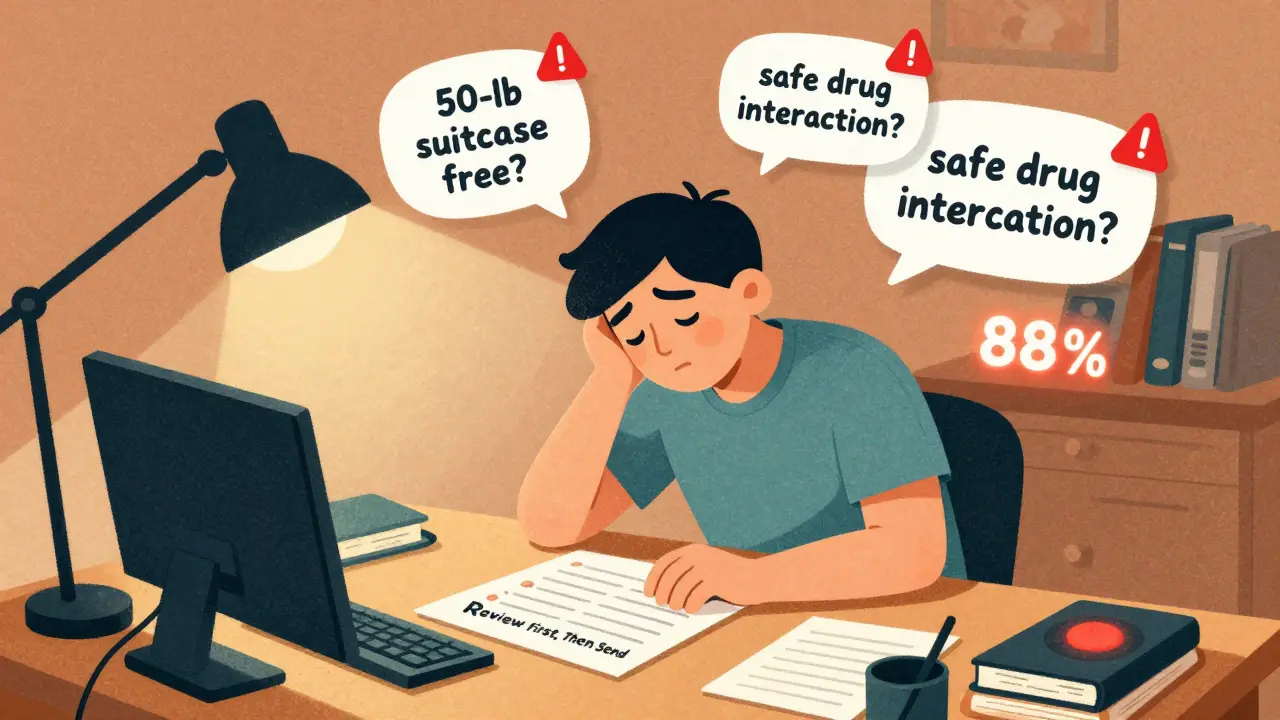
Human-in-the-Loop Review for Generative AI: Catching Errors Before Users See Them
Human-in-the-loop review catches AI hallucinations before users see them, reducing errors by up to 73%. Learn how top companies use confidence scoring, domain experts, and smart workflows to prevent costly mistakes.
Read More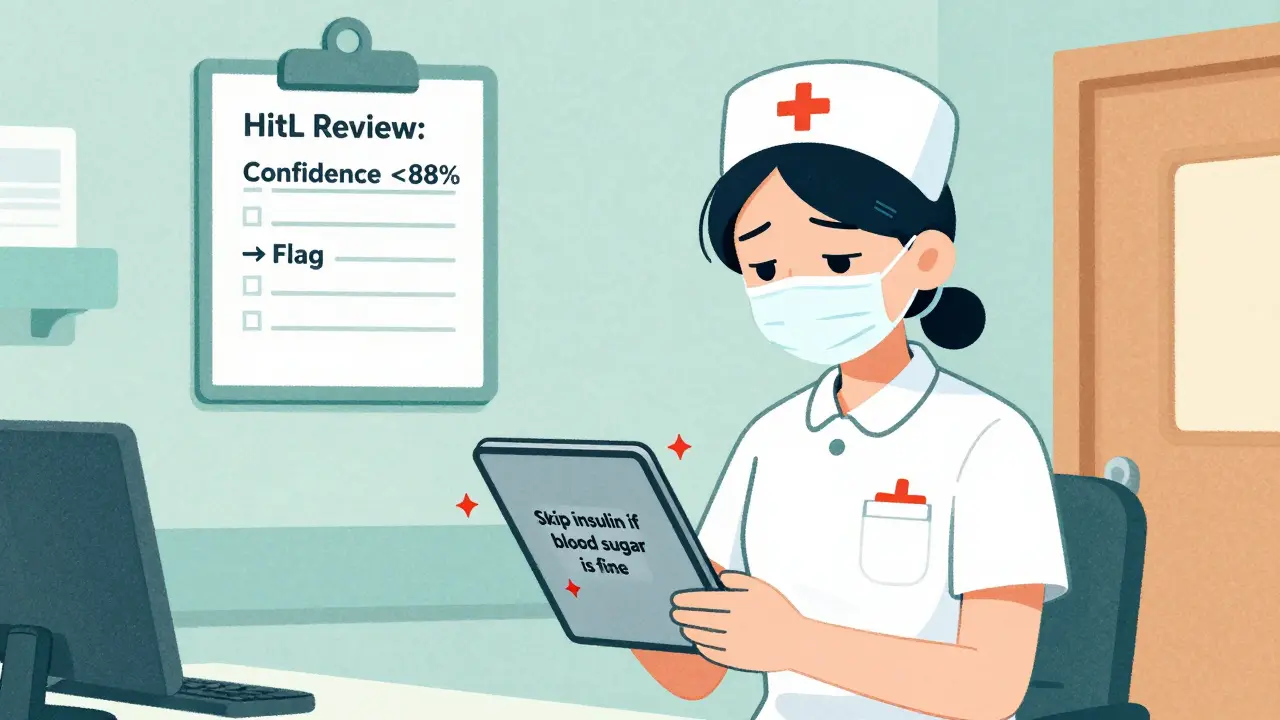
Human-in-the-Loop Review for Generative AI: Catching Errors Before Users See Them
Human-in-the-loop review catches dangerous AI hallucinations before users see them. Learn how it works, where it saves money and lives, and why automated filters alone aren't enough.
Read More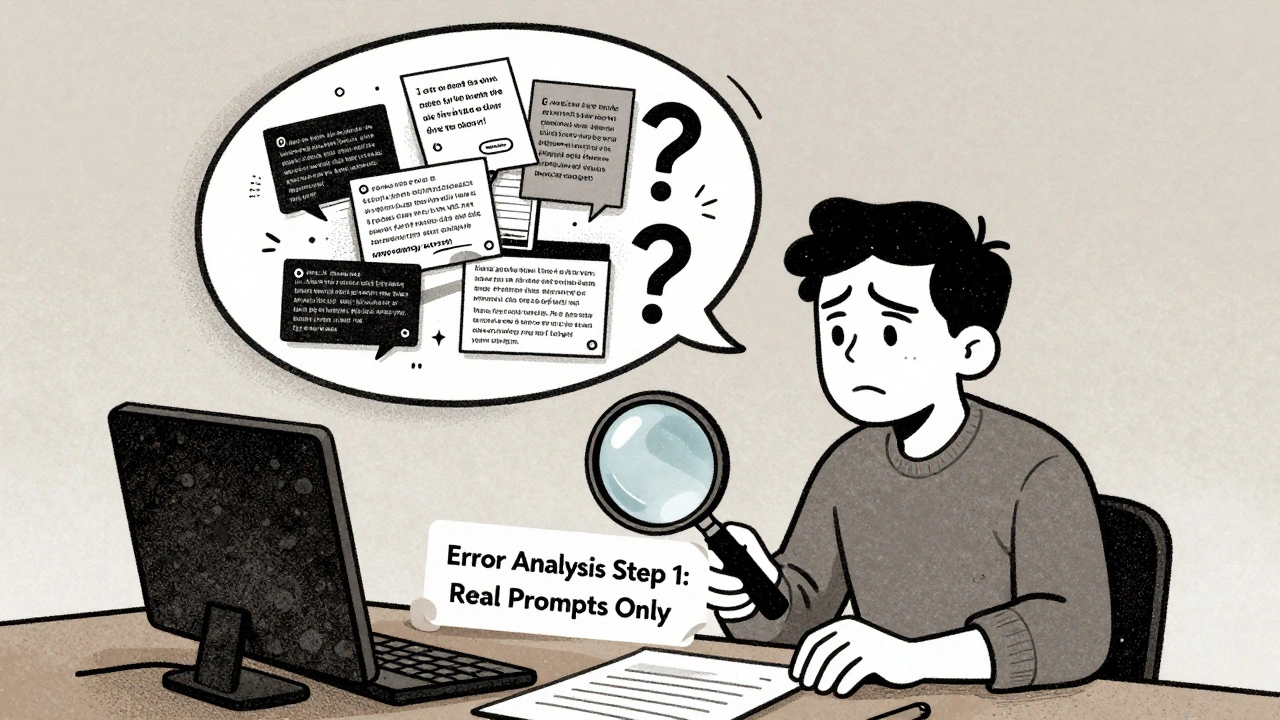
Error Analysis for Prompts in Generative AI: Diagnosing Failures and Fixes
Error analysis for prompts in generative AI helps diagnose why AI models give wrong answers-and how to fix them. Learn the five-step process, key metrics, and tools that cut hallucinations by up to 60%.
Read More
Truthfulness Benchmarks for Generative AI: How Well Do AI Models Really Tell the Truth?
Truthfulness benchmarks like TruthfulQA reveal that even the most advanced AI models still spread misinformation. Learn how these tests work, which models perform best, and why high scores don’t mean safe deployment.
Read More