Prompt Engineering: How to Get Better Results from AI Models
When you type a question into an AI chatbot and get a useless answer, it’s rarely the AI’s fault—it’s your prompt engineering, the practice of designing inputs to guide AI models toward accurate, useful responses. Also known as prompt design, it’s the difference between getting a generic paragraph and a precise, actionable answer. You don’t need to be a coder to do it well. You just need to know how to talk to machines like they’re sharp but easily confused assistants.
Good prompt engineering isn’t about using fancy words. It’s about structure. Think of it like giving directions to someone who’s never been to your house. If you say, "Go to the store," they might pick any store. But if you say, "Go to the 24-hour pharmacy on Main Street, buy ibuprofen, and text me the receipt," you get exactly what you need. That’s how large language models, AI systems that generate human-like text based on input prompts work. They don’t know your intent unless you spell it out. And when you pair that with retrieval-augmented generation, a technique that lets AI pull answers from your own data instead of guessing from training, you stop getting made-up facts and start getting reliable answers.
Most people treat AI like a magic box. But if you’ve ever asked for a blog post and got a list of bullet points instead, or asked for code and got pseudocode that won’t run—you’ve seen how fragile this system is. The fix isn’t upgrading models. It’s upgrading your prompts. Use examples. Break tasks into steps. Tell the AI what not to do. Limit the output format. These aren’t tricks—they’re standard practices used by teams running AI at scale. Companies don’t rely on raw prompts. They use templates, rules, and checks—just like you’d use a checklist before sending an email to your boss.
What you’ll find here isn’t theory. These posts show real-world cases: how to make AI tools follow your brand voice, how to stop them from hallucinating, how to use prompts with external APIs, and how to test if your prompts actually work. You’ll see how teams cut costs by making prompts smarter instead of buying bigger servers. You’ll learn how to build prompts that work across different models—so you’re not stuck with one vendor. And you’ll see how even small tweaks in wording can cut response time, improve accuracy, and reduce errors.
This isn’t about writing better poetry. It’s about writing better instructions. And if you’re using AI in any way—whether for customer support, content, code, or analysis—you’re already doing prompt engineering. The question is: are you doing it well?

Prompt Compression: How to Reduce Tokens Without Losing LLM Accuracy
Prompt compression cuts LLM token usage by up to 80% without losing accuracy, slashing costs and latency. Learn how techniques like LLMLingua work, where they excel, and how to implement them today.
Read More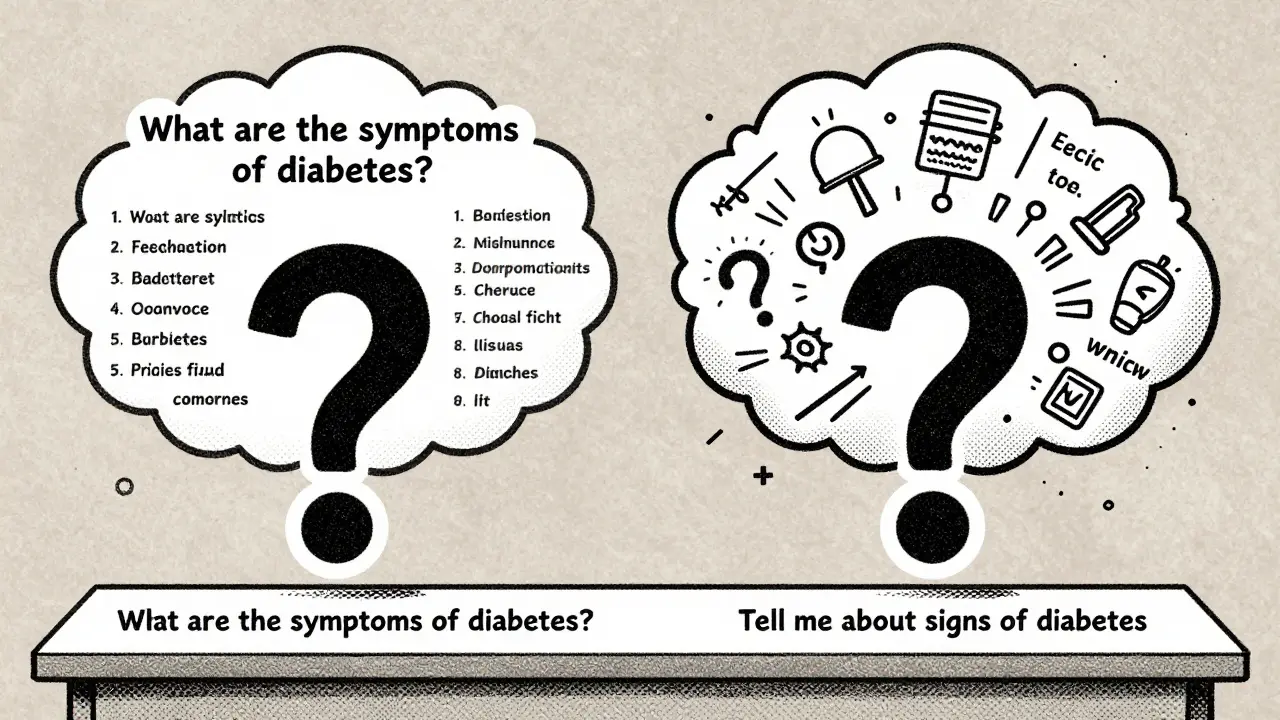
Prompt Sensitivity in Large Language Models: Why Wording Changes Output
Small changes in how you phrase a prompt can drastically alter an AI's output. Learn why this happens, which models handle it best, and how to build more reliable prompts for real-world use.
Read More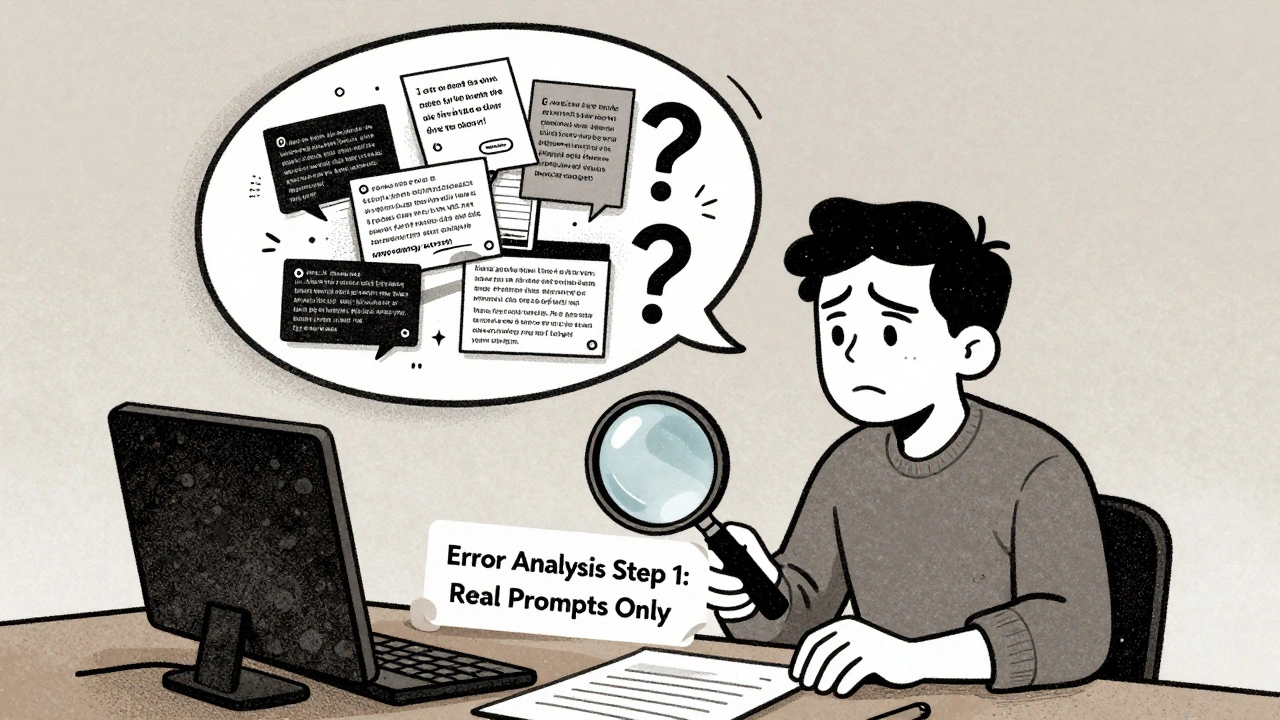
Error Analysis for Prompts in Generative AI: Diagnosing Failures and Fixes
Error analysis for prompts in generative AI helps diagnose why AI models give wrong answers-and how to fix them. Learn the five-step process, key metrics, and tools that cut hallucinations by up to 60%.
Read More
Style Transfer Prompts in Generative AI: Master Tone, Voice, and Format for Better Content
Learn how to use style transfer prompts in generative AI to control tone, voice, and format - without losing brand authenticity. Real strategies, real results.
Read More