Multimodal AI: How Text, Images, and Sound Work Together in Modern AI Systems
When you ask an AI to describe a photo, explain a video, or respond to a voice note with a written answer, you’re using multimodal AI, a system that processes and understands multiple types of data—like text, images, audio, and video—as a single, unified input. Also known as multi-input AI, it’s what lets models go beyond just reading words and start seeing, hearing, and making sense of the world the way people do. This isn’t science fiction—it’s already in your phone’s camera, your smart speaker, and the tools developers are building right now.
Multimodal AI doesn’t just mix inputs—it connects them. A model might look at a screenshot of a broken app, read the error message inside it, and hear a user’s voice complaint—all at once—to give a better fix. That’s why it’s becoming essential for large language models, AI systems trained on massive amounts of text that now need to understand visual and auditory context too. It’s also why tools like AI vision, systems that interpret images and video using deep learning and AI audio processing, technology that turns speech into text or detects emotions in voices are no longer separate features—they’re core parts of the same pipeline. These systems rely on architectures that align different data types into shared spaces, so a word like "red" can mean the same thing whether it’s typed, spoken, or seen in a picture.
You’ll find multimodal AI in content moderation that spots dangerous images alongside harmful text, in customer support bots that read your screenshot and listen to your frustration, and in enterprise tools that analyze medical scans with doctor’s notes. But it’s not perfect. These systems still struggle with context, bias in visual data, and syncing audio delays. That’s why developers are building better ways to train them, test their accuracy, and keep them secure—topics covered in the posts below. Whether you’re building a chatbot that sees, an app that listens, or a system that understands both, the collection here gives you real-world code, benchmarks, and patterns to make it work.
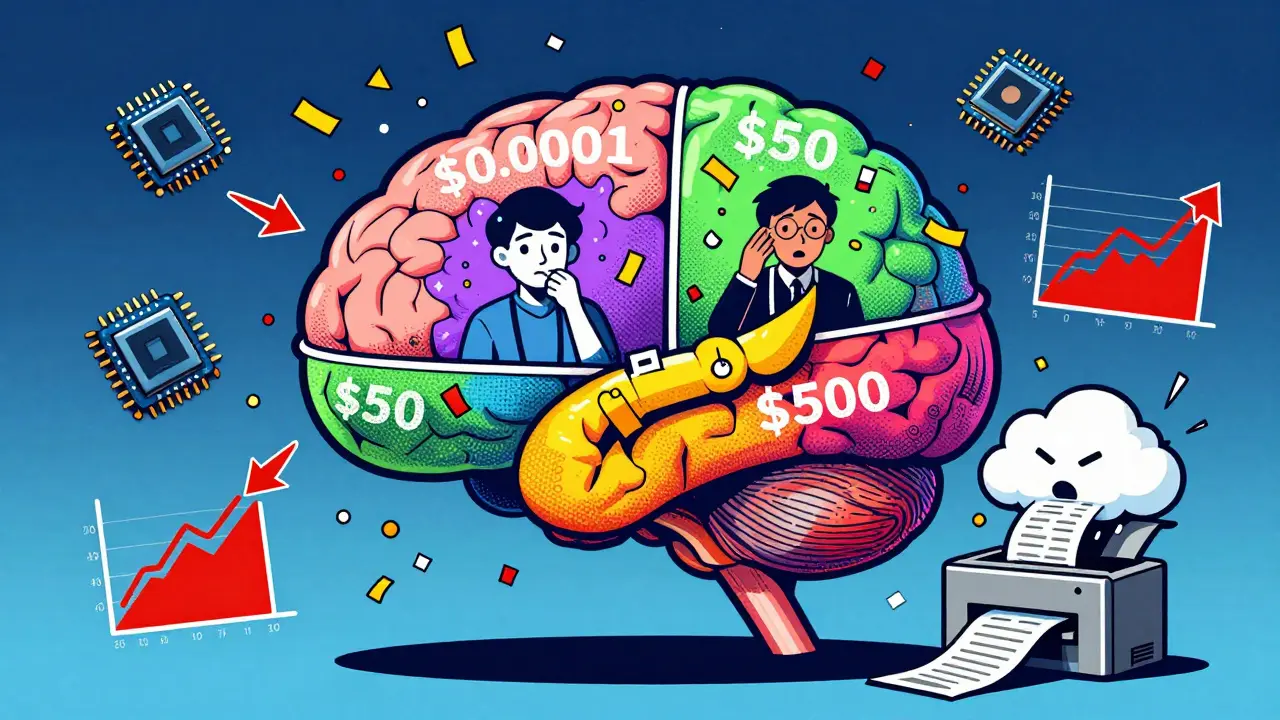
Latency and Cost in Multimodal Generative AI: How to Budget Across Text, Images, and Video
Multimodal AI can boost accuracy but skyrockets costs and latency. Learn how to budget across text, images, and video by optimizing token use, choosing the right hardware, and avoiding common overspending traps.
Read More
Why Multimodality Is the Next Big Leap in Generative AI
Multimodal AI combines text, images, audio, and video to understand context like humans do-making generative AI smarter, faster, and more accurate than text-only systems. Here's how it's already changing healthcare, customer service, and marketing.
Read More
Multimodal Generative AI: Models That Understand Text, Images, Video, and Audio
Multimodal generative AI understands text, images, audio, and video together-making it smarter than older AI systems. Learn how models like GPT-4o and Llama 4 work, where they’re used, and why they’re changing industries in 2025.
Read More
Cross-Modal Generation in Generative AI: How Text, Images, and Video Now Talk to Each Other
Cross-modal generation lets AI turn text into images, video into text, and more. Learn how Stable Diffusion 3, GPT-4o, and other tools work, where they excel, where they fail, and what’s coming next in 2025.
Read More