Imagine launching a new AI feature that saves your team hours of work, only to find out three weeks later that it quietly discriminates against a specific customer group. The PR nightmare is real, the fines are looming, and trust is evaporating. This is exactly why AI ethics boards have moved from being a "nice-to-have" buzzword to a critical operational necessity in 2026. These specialized groups don't just rubber-stamp decisions; they act as a structural safety net, ensuring that your artificial intelligence systems align with human values before they hit the market.
As of mid-2025, 62% of Fortune 500 companies have established formal oversight structures for AI, up sharply from just 28% in 2022. The pressure isn't just coming from internal conscience. Regulatory frameworks like the EU AI Act and NIST's AI Risk Management Framework are now explicitly recommending or mandating these bodies. If you're leading development teams or sitting on a corporate board, understanding how these committees actually function is no longer optional-it's the difference between sustainable innovation and costly retraction.
What Exactly Is an AI Ethics Board?
An AI Ethics Board is a specialized governance entity formed within organizations to provide oversight, guidance, and expertise on ethical considerations related to artificial intelligence development and deployment. Also known as an AI Ethics Committee or Advisory Board, its primary job is to ensure that AI systems are built in a way that respects fairness, transparency, and privacy. Unlike traditional compliance teams that check boxes after the fact, an effective ethics board engages early in the product lifecycle. They ask the hard questions before the code is even written: Who does this model hurt? How do we explain its decisions? What happens if it fails?
The concept gained serious traction between 2018 and 2020, largely driven by public controversies around algorithmic bias in hiring and lending. Today, these boards blend internal technical experts with external independent voices. This mix is crucial because developers often see efficiency as the ultimate metric, while ethicists look at societal impact. By bridging this gap, the board prevents the "technical silo" effect where good intentions lead to unintended harms.
Core Responsibilities and Functions
You might wonder what these people actually do all day. It’s not just about writing mission statements. Based on current industry standards, an effective board handles six key functions:
- Ethical Guidance: Defining clear frameworks for bias, transparency, and accountability.
- Policy Development: Creating organizational procedures that dictate how AI can be used.
- Risk Assessment: Proactively identifying potential ethical pitfalls before deployment.
- Consultation: Serving as a sounding board for teams facing difficult dilemmas.
- Oversight and Auditing: Regularly reviewing deployed systems to ensure they behave as intended.
- Diversity Enforcement: Ensuring the board itself represents diverse perspectives to avoid blind spots.
For example, when a healthcare company develops an AI tool for triaging patients, the board doesn't just check if the software works. They audit whether the training data includes enough representation from minority demographics. They verify that the "black box" nature of the neural network allows clinicians to understand *why* a patient was flagged. This level of scrutiny turns abstract principles into concrete engineering requirements.
Composition: Who Sits at the Table?
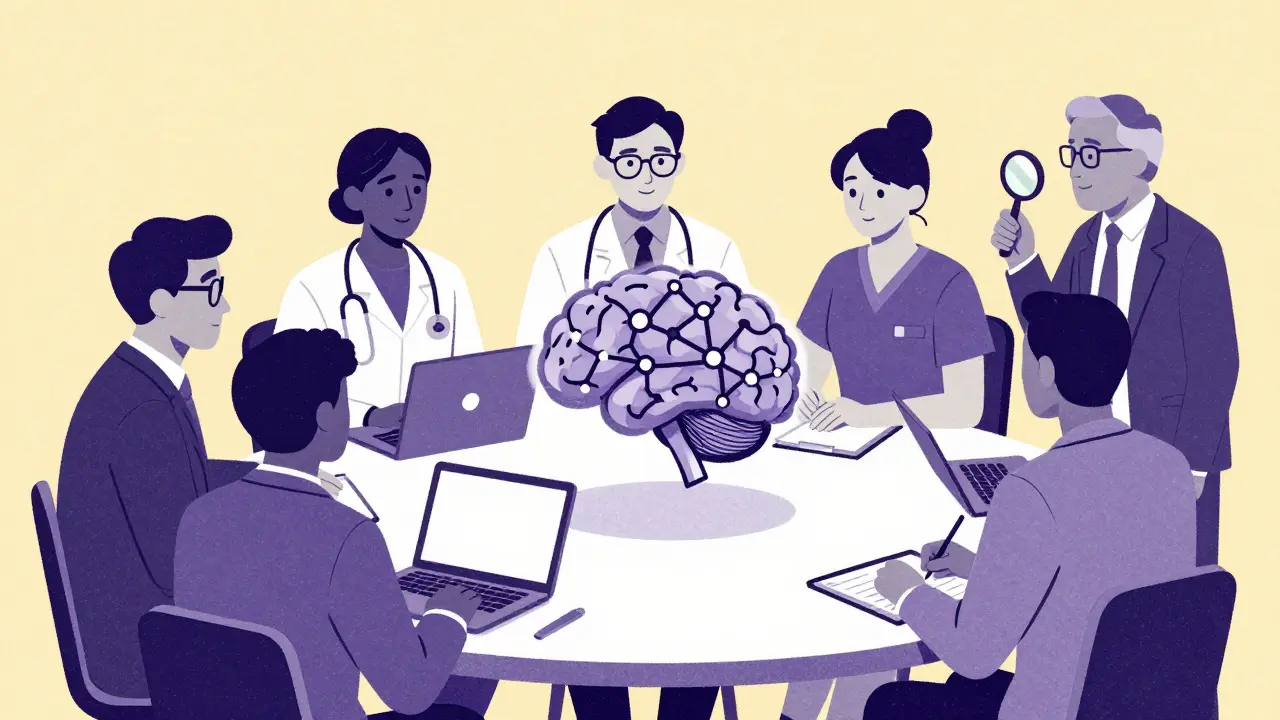
A common mistake is thinking an AI ethics board should only consist of philosophers or lawyers. In reality, the most successful boards are cross-functional. According to recent HR technology analyses, ideal membership includes Chief Compliance Officers, Human Resources leaders, Legal experts, and-critically-Data Scientists or CIOs. Why include engineers? Because they understand the technical constraints. Why include HR? Because they know how AI impacts employees and candidates.
However, diversity isn't just about job titles. It’s about perspective. A board composed entirely of executives from the same background will likely miss cultural nuances in how AI affects different user groups. That’s why best practices recommend including external independent advisors who have no stake in the company’s bottom line. These outsiders bring fresh eyes and are less susceptible to the pressure to "just ship it."
| Feature | Traditional Compliance Committee | AI Ethics Board |
|---|---|---|
| Primary Focus | Legal adherence and regulatory checks | Societal impact, fairness, and long-term trust |
| Timing of Intervention | Post-deployment audits | Pre-development and continuous monitoring |
| Required Expertise | Lawyers, Accountants | Data Scientists, Ethicists, Domain Experts |
| Authority Level | Advisory (mostly) | Can hold veto power over high-risk tools |
The Challenge: Speed vs. Scrutiny
Let’s be honest: adding a review layer slows things down. Industry data shows that ethical reviews can add 30 to 45 days to a product launch cycle. For startups racing to capture market share, this feels painful. But consider the alternative. Organizations with robust AI ethics governance report 22% fewer regulatory compliance issues. That statistic alone suggests the board pays for itself by avoiding fines and lawsuits.
The real challenge isn't the time cost; it's the cultural friction. Developers often view ethicists as blockers rather than partners. To solve this, successful companies integrate the board into the agile development process. Instead of treating the ethics review as a final gate, they embed ethical checkpoints into sprint planning. This shifts the mindset from "compliance hurdle" to "quality assurance for social impact."
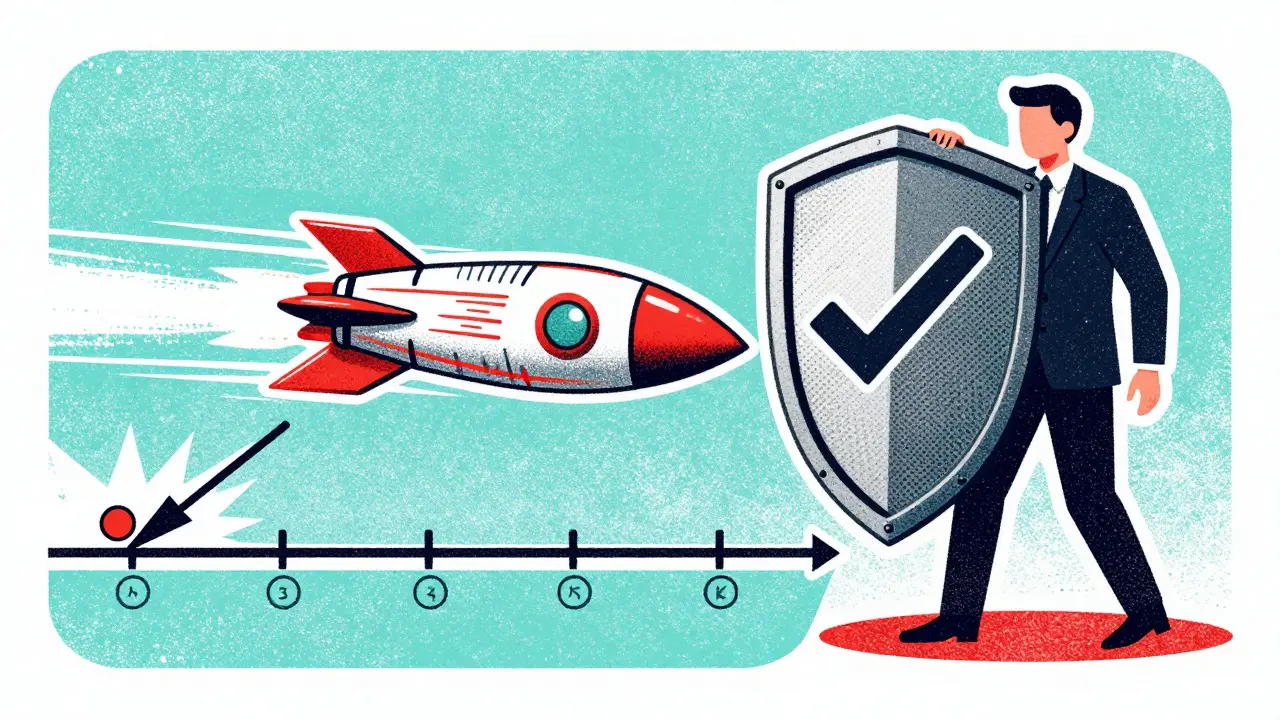
Implementation Roadmap: From Zero to Operational
Setting up an AI ethics board isn't a one-day task. Expect a learning curve of 6 to 9 months. Here is a realistic timeline based on implementation data from major tech firms:
- Weeks 1-8: Charter Development. Define the board's mission, scope, and authority. Decide if they have veto power. This document is the foundation.
- Weeks 6-10: Member Recruitment. Identify internal champions and external experts. Look for individuals who understand both the tech and the societal implications.
- Weeks 8-12: Framework Implementation. Create the actual guidelines. What constitutes "fairness" in your context? How do you measure "transparency"? Make these definitions actionable.
- Month 4+: Operationalization. Begin regular meetings, conduct the first audits, and start reporting to the CEO or main board of directors.
A critical success factor here is executive buy-in. Surveys indicate that 68% of attempted implementations fail due to lack of support from top leadership. If the CEO doesn't treat the ethics board as a core strategic asset, it will become a tokenistic checkbox. Ensure the board has a direct reporting line to senior leadership so their findings can’t be ignored.
Regulatory Context and Future Trends
The landscape is shifting rapidly. The global AI governance market is projected to reach $1.2 billion by 2027, growing at a compound annual rate of 27.3%. This growth is driven largely by regulation. The EU AI Act, fully effective in 2026, mandates ethics oversight for high-risk AI systems. Meanwhile, NIST’s AI Risk Management Framework recommends ethics boards as critical components for any organization handling significant data risks.
Looking ahead, we’re seeing a trend toward standardization. ISO/IEC 23894:2023 provides the first international standard specifically addressing AI risk management, with sections mandating the establishment of oversight bodies. Furthermore, 63% of S&P 500 companies now include AI ethics metrics in their ESG (Environmental, Social, Governance) disclosures. This means investors are starting to look at your AI ethics posture as a financial risk indicator. If your board is weak, your stock price might suffer-not just your reputation.
Finally, watch out for the "ethics washing" trap. This happens when companies create a board purely for PR purposes but give it no real power. To avoid this, ensure your board has the authority to halt deployments. As Dr. Timnit Gebru, a prominent voice in AI ethics, advocates, these bodies need "real power to halt deployments, not just advisory roles." Without that teeth, the board is just a decorative element.
How much does it cost to establish an AI ethics board?
For mid-sized enterprises, the average annual cost ranges from $150,000 to $500,000. This includes member stipends, external consultant fees, and administrative costs. However, this should be weighed against the potential savings from avoided regulatory fines and reputational damage, which can run into millions.
Does an AI ethics board need legal experts?
Yes, but not exclusively. While legal experts ensure compliance with laws like GDPR or the EU AI Act, you also need technical experts (data scientists) and domain experts (e.g., doctors for health AI). A board consisting only of lawyers may miss technical biases that aren't strictly illegal but are ethically problematic.
What is the difference between an AI ethics board and a compliance team?
Compliance teams focus on adhering to existing laws and regulations. An AI ethics board goes further by evaluating moral implications, societal impact, and alignment with company values, even in areas where no specific law exists yet. Compliance is backward-looking; ethics is forward-looking.
How long does it take to set up an effective board?
Typically 6 to 9 months. The first 8 weeks are spent drafting the charter, followed by 6-10 weeks for recruitment, and another 8-12 weeks to implement the actual review frameworks and begin operations.
Do small companies need an AI ethics board?
Not necessarily a full standalone board. Smaller firms can appoint a dedicated "AI Ethics Lead" or form a lightweight committee that meets monthly. The key is having a defined process for ethical review, regardless of the organization's size. As AI adoption grows, even startups face increasing scrutiny from customers and regulators.