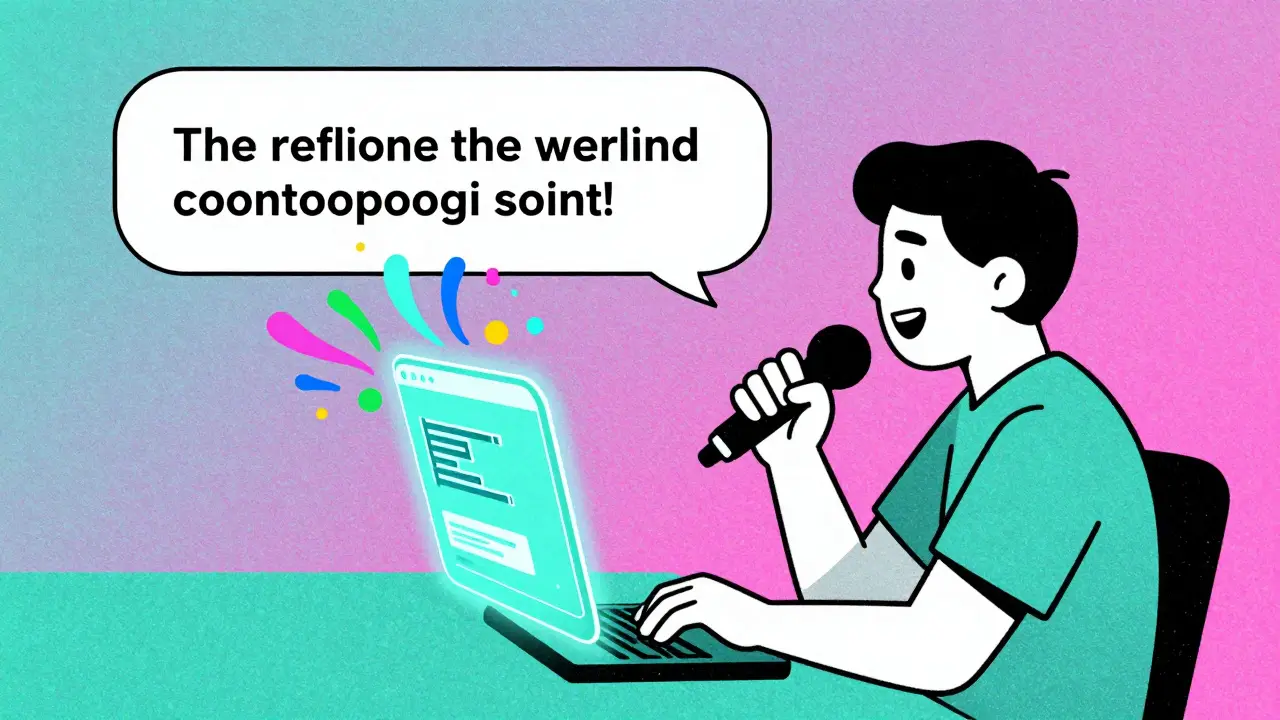
Imagine building a fully functional app without ever touching a bracket or worrying about a semicolon. You describe a feature, the AI generates it, you see it work, and if it doesn't, you just tell the AI to "fix the vibe." This isn't a futuristic dream; it's a real shift in how software is being built today. Vibe Coding is a method of software creation where the developer focuses on the running system and high-level intent through natural language, rather than the underlying source code. Coined by Andrej Karpathy in early 2025, it treats code as a secondary artifact-a means to an end rather than the end itself. But as with any trend that moves this fast, the line between breakthrough and hype is blurry. Is this the death of the professional engineer, or just a better way to work?
The Core Truth About Vibe Coding
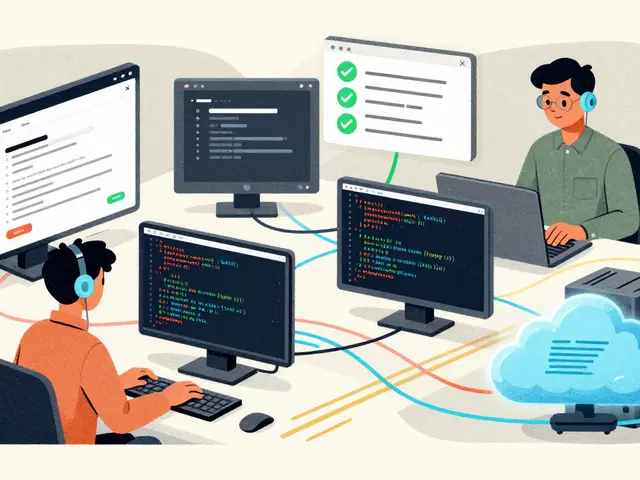
At its heart, vibe coding is about iterative conversation. Instead of writing a specification and then spending weeks implementing it, you converse with AI coding agents is specialized LLMs designed to write, execute, and debug code autonomously within a development environment . You describe what you want in plain English, watch the code materialize on your screen, and test the result in real-time.
For many, the "vibe" refers to the feeling of the user experience and the immediate feedback loop. You aren't auditing the logic of a nested loop; you're auditing the fact that the button actually saves the data to the database. It's a shift from syntax-first development to outcome-first development. This allows people who aren't traditionally "coders"-like product managers or founders-to turn a business idea into a working prototype in minutes.
Debunking the Biggest Vibe Coding Myths
Whenever a new tool makes things easier, critics call it "lazy." In the case of vibe coding, several myths have taken root that obscure what's actually happening under the hood.
- Myth: It's just lazy programming.
The reality is that software development has never been about typing characters into a text editor; it's about solving business problems. If you understand the requirements perfectly and the AI generates a working solution, the "effort" of typing the code manually adds zero value to the end user. Vibe coding simply automates the boilerplate, leaving the human to focus on the actual logic and user needs.
- Myth: It will replace skilled developers.
In reality, vibe coding elevates the role of the engineer. While a novice can vibe code a simple landing page, a senior developer can use these tools to build complex systems 10x faster. The most valuable skill is no longer knowing the exact syntax of a library, but knowing how to architect a system and validate that the AI's output is secure and efficient.
- Myth: You don't need to know how to code anymore.
This is the most dangerous misconception. Without technical knowledge, you hit a ceiling very quickly. You might be able to build a feature, but you won't know why the app is crashing under load or how to optimize a slow database query. Technical expertise is the difference between a toy and a production-ready product.
| Attribute | Traditional Coding | Vibe Coding |
|---|---|---|
| Primary Input | Programming Languages (Python, Java) | Natural Language (English) |
| Focus Area | Syntax and Implementation | Behavior and Outcome |
| Iteration Speed | Slow (Write → Compile → Test) | Rapid (Prompt → Run → Adjust) |
| Entry Barrier | High (Requires years of study) | Low (Requires clear communication) |
| Source of Truth | Documentation and Design Docs | The running system/generated code |
Where Vibe Coding Actually Wins
You shouldn't try to vibe code a banking core or a flight control system, but for a huge chunk of software, it's a superpower. The real magic happens at the unit level. If you need a specific function, a unique animation, or a quick tool, the time-to-value is nearly instant.
Take a few real-world examples. Some developers have used this approach to build fully functional flashcard apps-complete with flip animations and persistent storage-in a single afternoon. Others have used it to spin up five different product concepts and three minimum viable products (MVPs) in a few months. When the goal is validation (proving an idea works) rather than optimization (making it scale to a million users), vibe coding is unbeatable.
The key here is using Claude Code is an agentic coding tool that can interact directly with the file system and terminal to execute tasks or similar tools. These agents don't just suggest code; they apply it, run it, and fix their own errors, which drastically shortens the loop between an idea and a working feature.
The "Whack-a-Mole" Trap and Its Solution
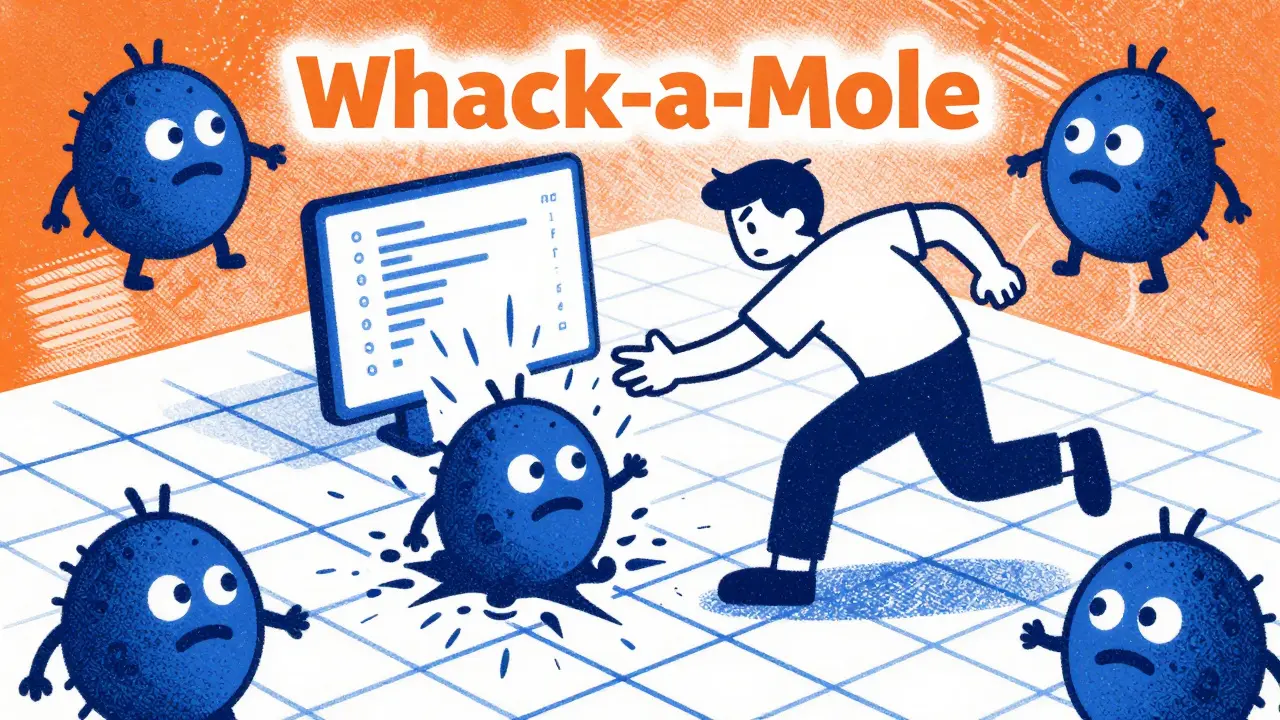
There is a ceiling to the "just vibe it" approach. When you move beyond a single feature into a large-scale system, you encounter the Whack-a-Mole Trap. This happens when you fix one bug by prompting the AI, only for that fix to break three other things elsewhere in the app. Because you aren't tracking the state of the whole system in your head, the project becomes unstable.
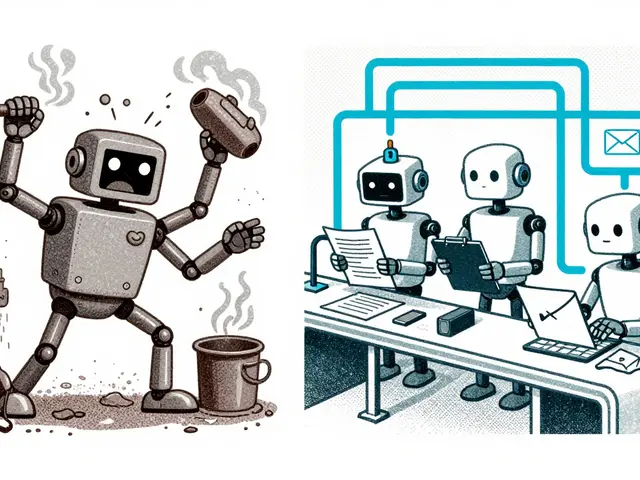
To avoid this, you need a hybrid strategy. You can vibe code the individual components, but you must wrap them in rigorous testing. This means writing functional tests that define exactly how a feature should behave. If the AI changes the code to fix a "vibe," the tests act as the guardrails. If the test fails, the vibe is wrong. This moves the human's job from "writing code" to "defining requirements and verifying outcomes."
Think of it like a professional chef. They might use a food processor to chop vegetables in seconds (the AI), but they still need to know exactly how the final dish should taste and when the sauce is reduced enough (the technical expertise). The tool handles the labor; the human handles the quality.

The New Developer Skillset
If the AI is doing the typing, what should you actually be learning? The value has shifted from execution to direction. To be successful in the era of vibe coding, you need to master three specific areas:
- Precise Terminology: You can't just say "make it better." You need to say "implement a debounce function on the search input to reduce API calls." The more technical your prompts, the less the AI has to guess.
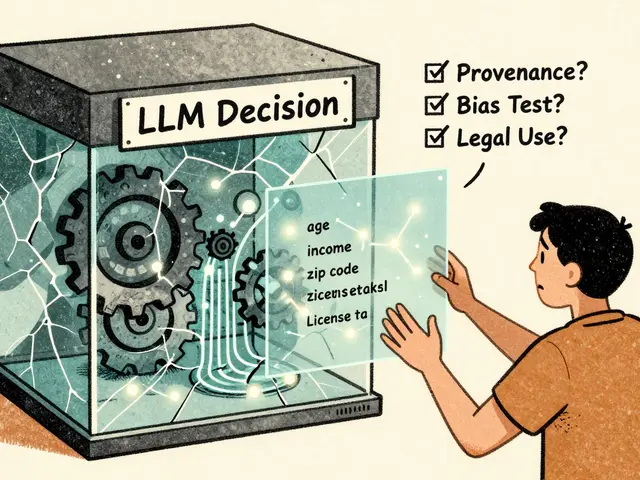
- Validation Logic: You must be able to read the code the AI produces-not necessarily to write it, but to spot a security flaw or a massive inefficiency.
- Architectural Thinking: Knowing how to break a big problem into small, vibe-codeable units is the most important skill of 2026. If you ask an AI to "build Uber," it will fail. If you ask it to "build a location-tracking hook using the Geolocation API," it will succeed.
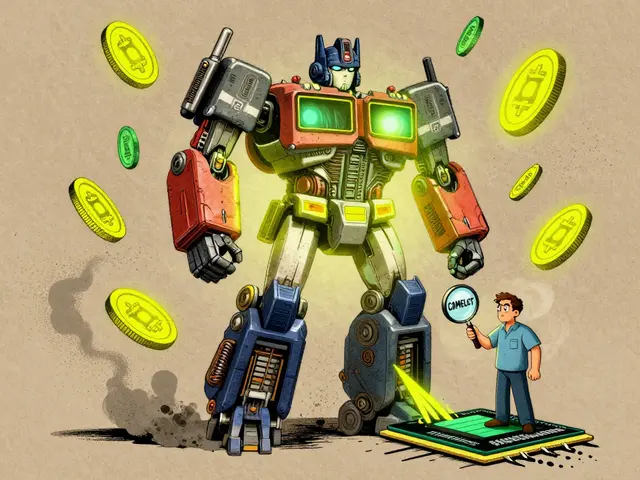
Consider a project like a Network Monitor. A developer might use vibe coding to quickly build the UI and basic logic in Python. But once the project needs to handle thousands of packets per second, they'll realize Python is too slow. Because they have a foundation in Rust is a multi-paradigm, high-level language focusing on performance and memory safety , they can guide the AI to migrate the core logic to a faster language. The AI does the heavy lifting of the migration, but the human provides the strategic direction.
Is vibe coding actually sustainable for long-term projects?
Yes, but only if combined with a strong testing framework. Because vibe coding often ignores the underlying code structure, you need automated tests to ensure that new prompts don't break existing features. Without tests, a large project will eventually collapse under its own complexity.
Do I still need to learn data structures and algorithms?
Absolutely. While you might not write a binary search tree by hand every day, you need to know when a search operation is taking O(n^2) time instead of O(log n). If you can't identify an algorithmic bottleneck, you won't know how to prompt the AI to fix it.
Which AI tools are best for vibe coding?
Based on current benchmarks like Gosu, Claude Code is highly regarded for its ability to handle complex coding tasks and agentic behavior. However, other tools like GitHub Copilot and various autonomous agents are rapidly closing the gap. The tool is less important than your ability to prompt it.
Can a non-technical person really build a business with this?
They can build the MVP (Minimum Viable Product) and validate the idea. However, as the business grows, they will eventually need a technical partner or lead to manage the architecture, security, and scaling, as these areas require deeper expertise than current AI agents can provide autonomously.
Does vibe coding lead to "spaghetti code"?
It can. Since the focus is on the "vibe" (the output) rather than the implementation, the resulting code can become messy. This is why periodic refactoring-asking the AI to "clean up this code for better readability and maintainability"-is a critical part of the vibe coding workflow.
Next Steps for Your Workflow
If you're a beginner, don't stop learning the basics. Use vibe coding to build small projects quickly, but spend time reading the code the AI generates. Ask it, "Why did you use this approach instead of that one?" Use the AI as a tutor, not just a generator.
If you're an experienced developer, start treating your AI tools as a junior staff. Your job is no longer to be the best "typist," but to be the best reviewer and architect. Focus on defining the boundaries of your system and writing the tests that will keep the AI in check.
For founders and PMs, embrace the speed. Use vibe coding to build prototypes and test your assumptions in days rather than months. Just remember that when you're ready to move from a prototype to a production system, you'll need to bring in technical rigor to ensure the "vibes" are backed by a solid foundation.

Akhil Bellam
24 April, 2026 - 06:50 AM
Oh please!!! Calling this a "new skillset" is an absolute travesty to the craft of engineering... Simply put, it's a playground for the mediocre to pretend they're architects while their codebase becomes a bloated, necrotic mess of AI hallucinations!!! Absolute carnage!!!
Megan Blakeman
24 April, 2026 - 18:20 PM
I think it's just a new way to create together!!! It feels like we are painting with a brush that thinks for us... so cool :) !!!
It makes the whole process feel more like a dream than a chore !!!
Amber Swartz
26 April, 2026 - 14:34 PM
The sheer audacity of suggesting a PM can "vibe code" a product without a real engineer is honestly comedy gold. We're really just waiting for the inevitable day these "prototypes" crash in production and someone has to actually fix the mess. Truly pathetic.
Robert Byrne
27 April, 2026 - 16:53 PM
Listen here, you're completely ignoring the technical debt nightmare! You can't just "vibe" away a memory leak in a high-traffic system. It's reckless and frankly insulting to anyone who actually spent time learning how a compiler works. Get a grip!
ravi kumar
29 April, 2026 - 14:23 PM
It is really helpful to view these tools as a way to lower the barrier for beginners to get their ideas out there quickly. If you are just starting, don't let the noise discourage you. Focus on understanding the "why" behind the AI's suggestions and gradually build your technical foundation. The goal is to use the tool to enhance your learning, not replace it. By iterating quickly and then studying the generated code, you can actually learn patterns faster than you would by staring at a blank screen for hours. Just keep experimenting and stay curious about the underlying logic.