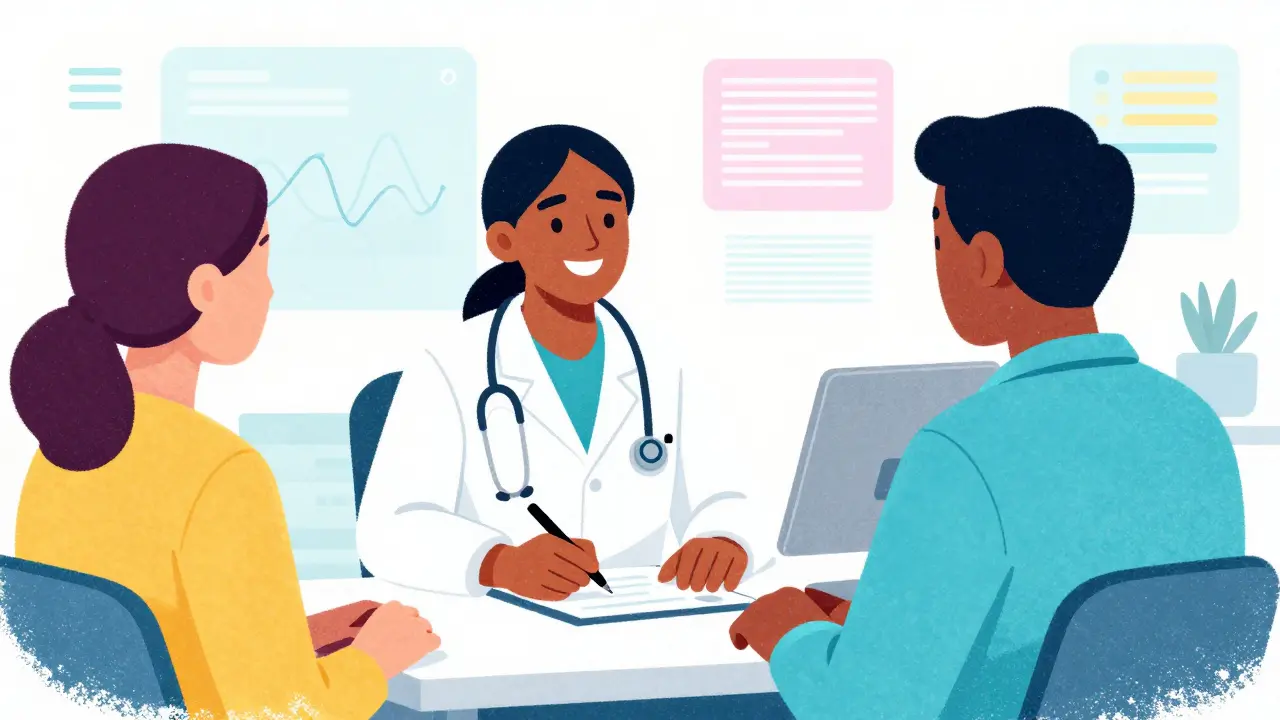
If you’ve been working in clinical settings lately, you know the feeling. You spend more time typing than talking to patients. By March 2026, the industry has finally turned a corner, but the workload remains heavy. Generative AI in Healthcareis a rapidly evolving field utilizing artificial intelligence to assist medical professionals with documentation, administrative tasks, and treatment planning. This technology isn't science fiction anymore; it is sitting right in your inbox and integrated into your workflow. We’re seeing real shifts in how providers handle the mountain of paperwork that used to consume their evenings.
The Reality of Administrative Burden in 2026
Let’s be honest about why we are here. The days of doctors burning out solely from lack of sleep are over. Now, the burnout comes from the system. According to recent data from the American Heart Association, administrative duties still eat up between 30% to 50% of a physician’s day. That is half your shift gone before you see a single patient. Staffing shortages aren’t getting better easily either; projections suggest we’re looking at a deficit of over 124,000 physicians and a million nurses by 2030. Physician Burnouta state of emotional exhaustion, depersonalization, and reduced personal accomplishment experienced by healthcare professionals, often exacerbated by high administrative burdens. Generative AI steps in specifically to reclaim that stolen time. It doesn't replace the doctor, but it replaces the clerk work that was never meant for a clinician.
Revolutionizing Clinical Documentation
Clinical documentation is where the biggest wins happen. Remember when scribes were expensive and hard to train? Large Language Modelsadvanced machine learning algorithms capable of understanding, generating, and predicting human language, which power modern generative AI applications. have changed the game. Today, systems can listen to a patient encounter and draft a comprehensive SOAP note in real-time. Platforms like Abridge and Ambience Healthcare are leading the charge here. In some health systems, daily charting time has dropped by 74%. Imagine finishing your charting for the day in 20 minutes instead of two hours.
Accuracy matters, though. Early versions struggled with complex terminology. But by 2025, voice-to-text conversion in these systems hit roughly 98.5% accuracy for common conditions. For rare diseases, it dips slightly to 82%, which means you still need to review those notes. It is critical to understand that these are decision support tools, not autonomous writers. Every note still requires a human sign-off. The American Medical Association’s policy framework makes this clear: 100% of notes generated by AI require physician verification.
Simplifying Prior Authorizations
If documentation feels like a hurdle, prior authorizations feel like a wall. Payers deny claims constantly, and chasing down approvals takes days. With the current pace of adoption, over 22% of healthcare organizations have already implemented AI tools for this exact purpose. Prior Authorization Systemsadministrative processes where healthcare providers must obtain approval from payers before delivering specific services to ensure coverage. are seeing massive improvements. Partnerships like the one between Abridge and Highmark Health show that AI can process 85% of routine authorizations without human intervention. That means faster care for patients and less phone-tag for your staff.
Think about the old way: filling out forms, faxing PDFs, waiting weeks. Now, AI platforms analyze patient records and insurer criteria simultaneously. They identify missing information instantly and even auto-generate the justification letters. Johns Hopkins reported a 41% reduction in denial rates after implementing similar AI-driven workflows. For a provider, this translates directly to revenue cycle health. Fewer denials mean fewer rework cycles.
| Metric | Traditional Workflow | AI-Enabled Workflow (2026) |
|---|---|---|
| Charting Time Per Day | 2 - 3 hours | 20 - 45 minutes |
| Prior Auth Approval Rate | ~60% | ~85-95% |
| Note Editing Required | Manual creation | Minimal verification |
| Burnout Symptoms | High frequency | Reported 89% reduction |
Smart Care Plans and Treatment Guidance
Documentation and authorizations cover the admin side, but what about actual medicine? Care Planningthe collaborative process where healthcare providers develop a detailed plan of action to address a patient's specific health needs and goals. is where safety meets efficiency. New models like Nabla achieve up to 89% clinical accuracy in generating personalized recommendations. Compare that to older clinical decision support systems that hovered around 76%.
This isn't about AI telling you how to practice. It’s about having a co-pilot that scans thousands of studies in seconds. When you open a patient file, the system might highlight a guideline update you missed or flag a drug interaction risk. For complex cases involving genomics or multi-system issues, these tools pull relevant data from the latest trials instantly. However, caution is still needed. Deloitte notes that specialized models perform better than general ones, so you must verify the tool understands your specialty. If you are an oncologist, the model needs oncology-specific tuning, not just general medical training.
Navigating Security and Compliance
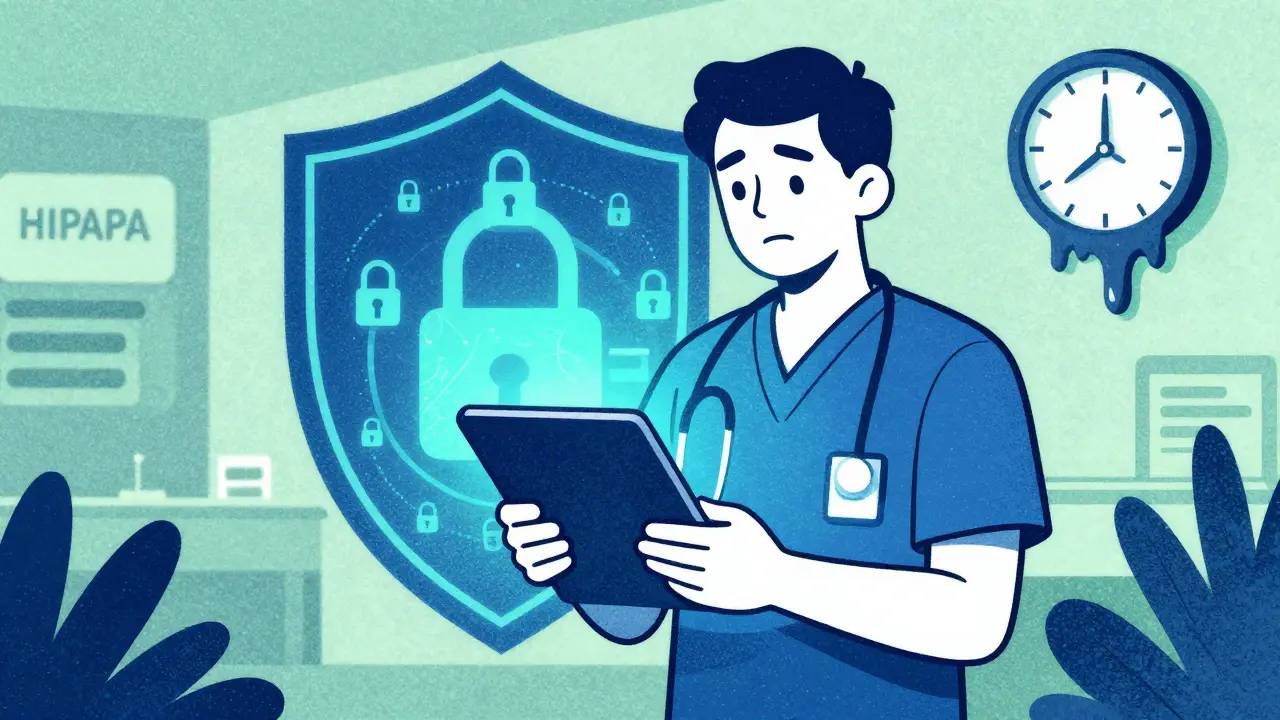
You cannot run this tech without thinking about security. Patient data is sensitive. HIPAA Compliancea set of regulations and guidelines established under the Health Insurance Portability and Accountability Act to protect patient health information. dictates how any software handles records. Modern healthcare AI operates on cloud infrastructure with built-in encryption and audit trails. But legacy Electronic Health Records (EHRs) can be tricky. About 37% of implementation delays come from integration headaches. If your hospital runs an older version of Epic or Cerner, make sure the vendor supports HL7 FHIR standards. This ensures the AI talks to your existing database smoothly without creating silos.
Data privacy also extends to the AI models themselves. You want to ensure that patient data used to train public models is scrubbed. Many top vendors like Microsoft’s Nuance keep training data within secure private environments rather than feeding it into public pools. Always ask vendors how they handle data sovereignty during the procurement phase.
Cost and Implementation Considerations
Does this stuff fit the budget? The market is segmented. MicrosoftA multinational technology corporation providing various software and hardware products and services. has been a long player through Nuance, but startups are aggressively pricing to take share. Clinical documentation tools range from $1,200 to $2,500 per provider annually. Prior authorization solutions are cheaper, around $800 to $1,500, but care planning platforms sit higher at $2,000 to $4,000 per provider. Enterprise contracts often include implementation fees totaling $50,000 to $250,000.
Implementation isn’t plug-and-play. Expect 8 to 12 weeks for full deployment. Successful deployments usually involve dedicating about 1.5 full-time staff members per 100 clinicians to manage the change. Physicians need about 15-20 hours of training to get comfortable. The key is finding a “physician champion” early on. Organizations with a dedicated AI lead saw an 83% adoption rate compared to 54% for those without one. Don’t skip the workflow analysis; bad workflows automated are just fast bad workflows.
The Regulatory Horizon
Regulation is catching up to speed. The FDA has created new clearance pathways for AI-based clinical decision support tools. Submissions under the 510(k) process increased by 220% in 2025 alone. The Office of Civil Rights issued guidance in 2025 requiring transparency about AI usage in notes. You must disclose when a note was AI-generated. This builds trust with auditors and patients. As we move toward agent-based care by late 2026, expect stricter liability frameworks defining who is responsible if an AI recommendation goes wrong.
Can Generative AI fully replace manual charting?
No. While AI can draft 95% of the content efficiently, regulatory bodies like the AMA mandate that a licensed physician must review and sign off on every clinical note. Human oversight remains mandatory to catch potential hallucinations or inaccuracies.
What is the typical cost for AI documentation tools?
Pricing typically ranges from $1,200 to $2,500 per provider per year for clinical documentation modules. Care planning platforms tend to be pricier, ranging between $2,000 and $4,000 annually.
How does AI integrate with older EHR systems?
Most modern AI vendors use HL7 FHIR standards to communicate with major Electronic Health Record systems like Epic, Cerner, and Meditech. However, 37% of projects face delays due to legacy integration complexities.
Is patient data safe with Generative AI?
Leading healthcare AI providers operate on HIPAA-compliant cloud infrastructure with end-to-end encryption. Reputable vendors keep patient data within secure environments and do not use it to train public models without consent.
What level of training is required for physicians?
Physicians generally need 15 to 20 hours of training to utilize the tools effectively. Nurses require slightly less time, around 8 to 10 hours, while scribes often adapt in just 4 to 6 hours due to their existing documentation skills.


Anand Pandit
31 March, 2026 - 04:12 AM
It is great to see concrete metrics like the seventy four percent drop in charting time being shared openly.
Financial barriers remain a real challenge for smaller practices considering the two thousand dollar yearly costs.
However the revenue cycle health improvements seem to outweigh the initial investment significantly.
Prior authorization reductions alone could prevent dozens of delayed treatments per year.
Implementation timelines of eight weeks are manageable if change management is handled correctly.
Finding a physician champion early on really drives the adoption success rates upwards.
We should encourage more sharing of deployment best practices across different hospital networks.
Trust in these systems grows faster when colleagues verify results personally rather than relying on marketing claims.
Reshma Jose
1 April, 2026 - 01:06 AM
The burnout reduction stats are exactly what our team needs to hear right now.
ujjwal fouzdar
2 April, 2026 - 21:36 PM
There is something tragic about turning the art of healing into a data entry exercise controlled by algorithms.
We used to look into eyes and now we stare at screens waiting for the machine to finish speaking.
Technology promises freedom yet chains us to new forms of digital servitude disguised as efficiency.
The human touch was always the most vital medicine but perhaps we traded it for speed.
When a robot writes your diagnosis the weight of its truth might vanish.
I fear we are building a castle of information while the foundation crumbles under ethical neglect.
These tools might save time but can they save the spirit of care.
The soul of medicine cannot be optimized through spreadsheets or automated approvals.
We must remain vigilant against the seduction of perfect documentation over imperfect humanity.
Nikhil Gavhane
4 April, 2026 - 18:07 PM
Your concern about losing the human element resonates deeply with many of us who witness burnout daily.
Efficiency gains mean nothing if providers stop listening to patients behind the screen interface.
The technology should serve the relationship between doctor and patient instead of replacing interaction entirely.
Balancing automation with compassion requires constant vigilance from hospital leadership teams.
Burnout feels less intense when administrative burdens lift but emotional labor remains high still.
Hope lies in tools designed specifically to restore time for meaningful patient contact again.
We need to protect the moments where human empathy matters most despite the pressure.
These notes help but they must never become the primary focus of clinical attention.
Vishal Gaur
6 April, 2026 - 04:47 AM
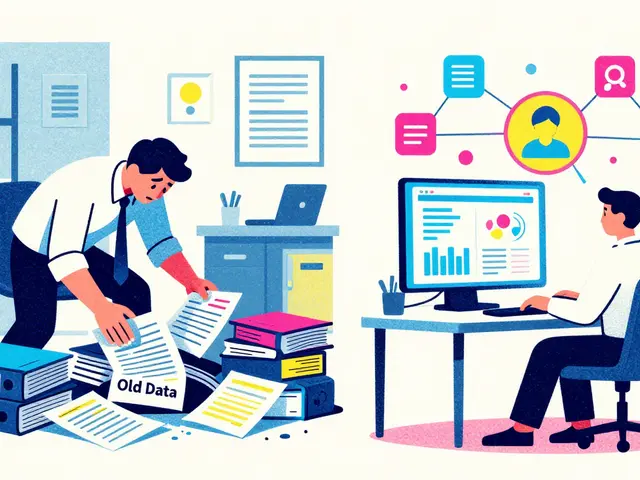
I really think people underestimate how hard it is to get old systems working with new tools.
My uncle told me his clinic had major issuses last month when they tried this same software.
It sounds nice on paper but the reality is usually full of bugs that nobody cares about.
They spend weeks just setting up the firewall rules alone.
And then you forget to update the drivers on the legacy servers.
So the data flows wrong and the billing department starts screaming at everyone.
It creates so much extra work for the staff members who are already tired.
The report said only thirty seven percent face delays but I saw eighty percent in my local area.
Vendors promise everything works out of the box which is never true in medical settings.
Security protocols often clash with the privacy laws we have to follow strictly here.
If the cloud encryption fails even once then everything becomes a disaster zone quickly.
Nobody wants patient records getting mixed up during transfer times between platforms.
Training takes too long and doctors hate wasting their time on basic compuer skills.
You see the charts showing high adoption rates but thats mostly in big hospitals only.
Small clinics struggle the most because they do not have IT support teams available.
We need better funding for infrastructure before pushing these expensive tools everywhere.
Rajat Patil
7 April, 2026 - 02:20 AM
Technical difficulties are indeed being experienced by many organizations during this transition period.
Legacy systems often require significant updates before compatibility can be achieved safely.
Security protocols must be maintained at all times to protect sensitive patient information properly.
Delays happen frequently due to integration complexities with older database structures.
Funding solutions for small clinics would likely reduce some of the implementation frustration noted earlier.
Staff training is essential for successful rollout of these new digital aids.
Passiveness in adopting changes leads to lower satisfaction scores among medical personnel.
Cooperation between vendors and providers is needed for smooth workflow adjustments.
Simplicity in design helps reduce the burden on existing administrative workflows.
deepak srinivasa
7 April, 2026 - 13:54 PM
Observations regarding regulatory frameworks suggest stricter guidelines may emerge by late 2026.
Transparency requirements for AI generated notes are becoming mandatory standards now.
Liability definitions are being clarified to determine responsibility during potential recommendation errors.
The FDA clearance pathway expansion indicates growing acceptance of these decision support tools.
Civil rights guidance mandates disclosure of automation usage in medical documentation officially.
Patient trust levels depend heavily on how these disclosures are communicated clearly.
Compliance monitoring will likely increase alongside adoption rates in the industry.
Safety measures must scale effectively to match the rapid pace of technological development.