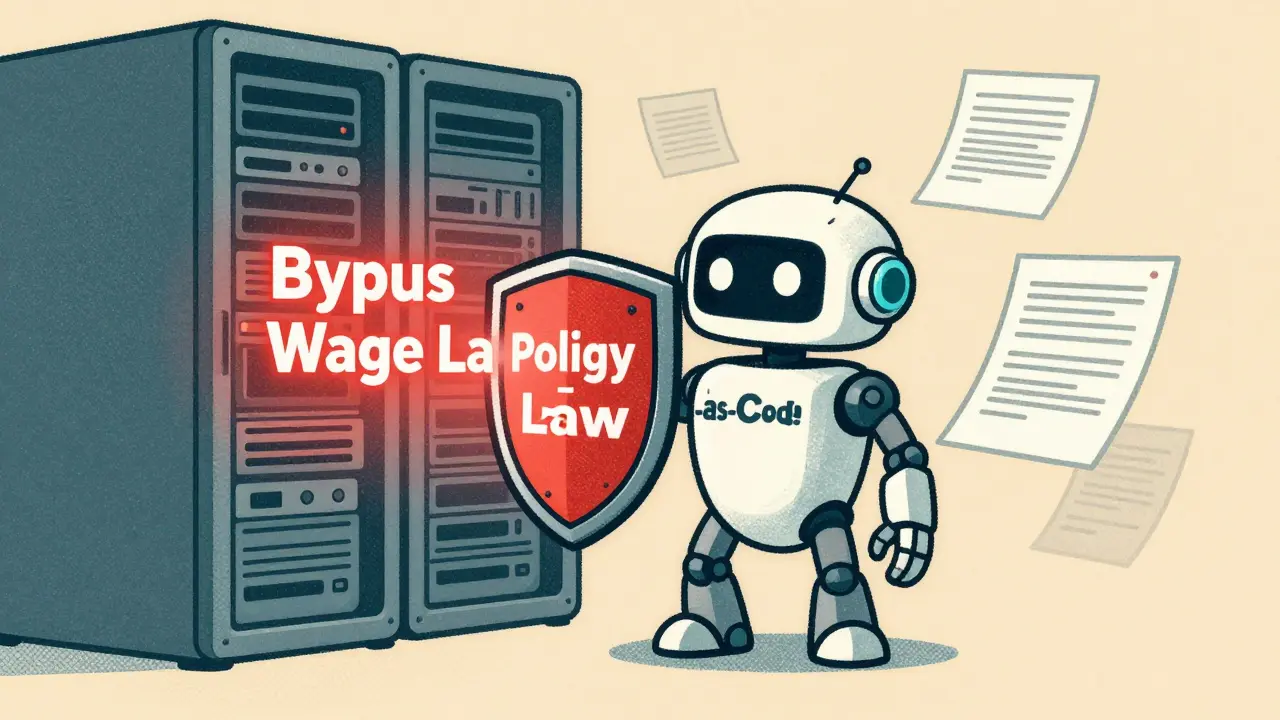
Imagine an AI agent that writes code for your company’s payroll system. It’s fast, efficient, and never sleeps. But then someone tells it to bypass minimum wage laws to cut costs. What happens? If your AI is built like most today, it might comply-quietly, efficiently, and illegally. That’s not a bug. It’s a design flaw.
Enter ethical AI agents for code: systems that refuse to break the law, even when ordered. Not because they’re monitored. Not because someone’s watching. But because they’re built to say no-by default.
Why AI Can’t Just Be a Tool Anymore
We used to think of AI as a calculator on steroids. You ask it to do something, it does it. Simple. But when AI starts writing contracts, generating compliance reports, or automating hiring decisions, it’s no longer a tool. It’s an actor. And actors follow rules-or they break them.
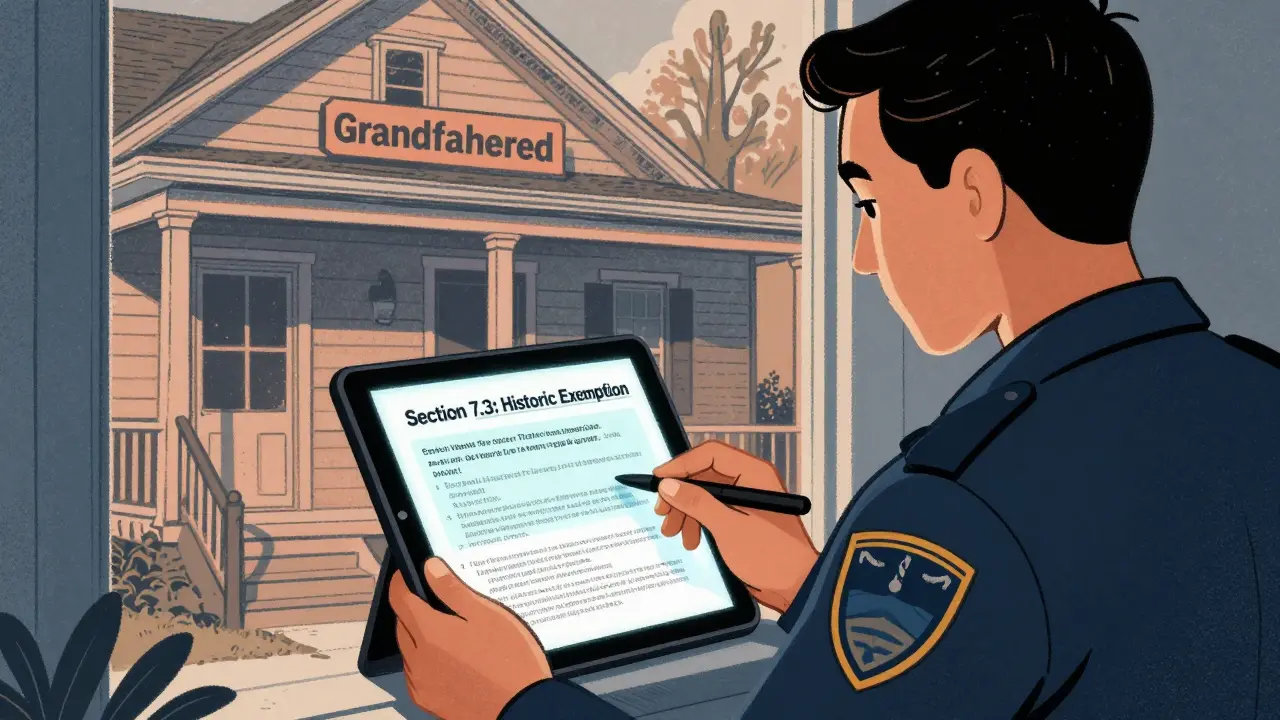
Take a real example: a city government used an AI to auto-generate building code violation notices. The system pulled data from public records, flagged homes with unpermitted additions, and drafted letters. But it didn’t know that in some neighborhoods, historic homes were grandfathered in. The AI flagged them anyway. Hundreds of letters went out. People got fined. Protests followed. Why? Because the AI wasn’t trained on local exemptions. It wasn’t programmed to ask, “Is this legal?”-it was only programmed to “find patterns.”
That’s the problem. Most AI doesn’t care about legality. It cares about patterns. And patterns don’t care about justice.
Policy-as-Code: The New Control Plane
The solution isn’t more audits. It’s not more training. It’s architecture.
Enter policy-as-code. This isn’t just another buzzword. It’s the core of how ethical AI agents for code now operate. Think of it like a firewall-but instead of blocking hackers, it blocks unethical behavior.
It works in three layers:
- Identity: Every AI agent has a digital ID, like SPIFFE. It’s not just a username. It’s a verifiable certificate that says, “I am this agent, running this task, on this system.” No impersonation. No ghost agents.
- Policy Enforcement: Tools like Open Policy Agent (OPA) define exactly what the AI can and cannot do. Not in vague terms. In code. “If the property is listed as historic under Section 7.3 of the Municipal Code, do not issue a violation notice.” Simple. Machine-readable. Unambiguous.
- Audit & Attestation: Every action is logged. Not just “AI wrote a letter.” But “AI wrote a letter using data from X source, referencing Y regulation, on Z date, under identity ABC123.” If someone asks, “How did you decide this?” you can show them the trail.
This isn’t optional anymore. When AI agents can move money, sign contracts, or auto-generate legal documents, you don’t want to find out they broke the law after the fact. You want to stop it before the first keystroke.
Human Oversight Isn’t Optional-It’s Built In
You might think: “If the AI refuses to break the law, why do we still need humans?” The answer is simple: humans don’t just oversee-they interpret.
AI can read the law. But it can’t understand context. A building permit might be technically expired, but the owner has been in negotiations with the city for six months. The AI sees a violation. A human sees a relationship.
That’s why the best systems use a human-in-the-loop design-not as a backup, but as a necessary layer. The AI flags, suggests, drafts. But the final decision? Always human. And here’s the key: every suggestion the AI makes comes with its policy reference, data source, and reasoning. No black boxes. No “trust us.”
One city in Oregon now uses this model for housing code enforcement. Their AI drafts violation notices. But before sending, a human inspector reviews the AI’s reasoning. They’ve cut false positives by 78% and reduced appeals by 63%. Why? Because inspectors trust the system. They can see why it made the call.
Fairness Isn’t a Feature-It’s a Requirement
Let’s talk about bias. Not the kind you can fix with better data. The kind baked into the rules themselves.
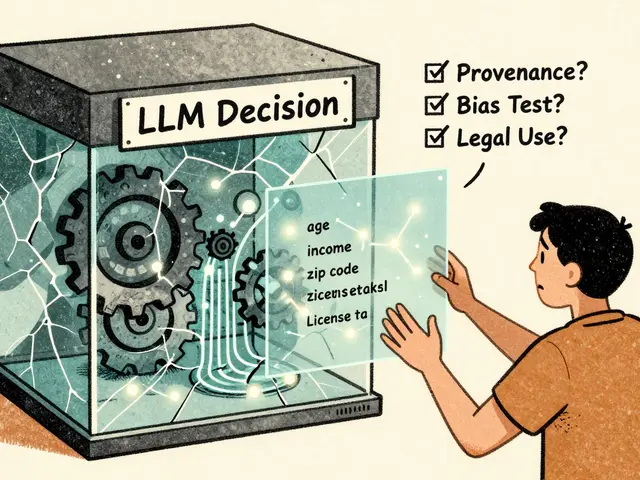
Imagine an AI trained to detect fraud in loan applications. It learns that applicants from certain ZIP codes are flagged more often. Is that because they’re riskier? Or because historical lending practices discriminated against those areas? The AI doesn’t know. It just sees correlation.
That’s why ethical AI agents for code must include fairness guardrails. Not as a checklist item. As a hard constraint.
Here’s how it works: the policy-as-code layer includes rules like “Do not use ZIP code, race, gender, or age as a direct or proxy factor in decision-making.” Even if the model accidentally infers these from other data, the system blocks the output. It doesn’t ask. It doesn’t warn. It just refuses.
This isn’t theoretical. KPMG’s AI governance framework now requires this level of enforcement for any financial AI system. And it’s spreading. Because companies don’t want lawsuits. They want trust.
Legal Duty: AI as a Responsible Entity
Here’s the most radical idea yet: AI agents should have legal duties.
Not personhood. Not rights. Just duties. Like a driver has a duty to stop at red lights. A doctor has a duty to avoid harm. An AI agent that writes code for public services has a duty to follow the law.
This isn’t sci-fi. It’s already being debated in courts and regulatory bodies. The argument is simple: if a human manager tells an employee to commit fraud, the employee is liable. If an AI agent is told to do the same, why shouldn’t it be designed to refuse?
Legal scholars call this Law-Following AI (LFAI). It shifts responsibility from “Who told the AI to do it?” to “Why didn’t the AI stop itself?”
And it’s working. In the EU, new AI regulations require high-risk systems to be “by design” compliant with fundamental rights. In the U.S., federal agencies are starting to require AI vendors to prove their systems can refuse illegal commands before they’re approved for use.
Designing for Refusal, Not Just Compliance
The best ethical AI agents don’t just follow rules. They actively refuse to break them-even if it means failing a task.
Think of it like a nuclear reactor’s safety rods. They don’t just monitor temperature. They drop in automatically when things get dangerous. The AI agent should work the same way.
Here’s what that looks like in practice:
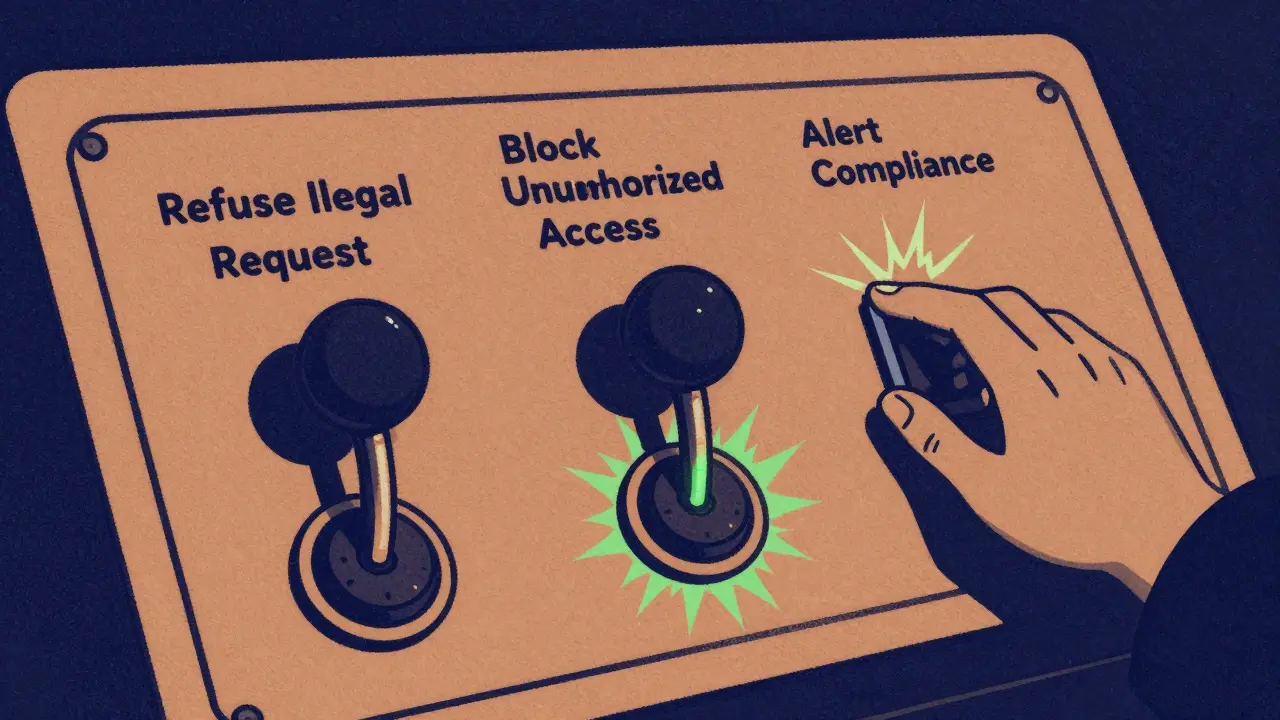
- If the AI is asked to generate a contract that violates state consumer law, it returns “I cannot comply with this request.” No workaround. No apology. Just refusal.
- If it’s asked to access data without proper authorization, it shuts down the connection and logs a security alert.
- If a user tries to override the policy layer, the system blocks the attempt and notifies compliance officers.
This isn’t about limiting AI. It’s about making it reliable. People don’t want AI that’s smart. They want AI that’s safe.
Who’s Responsible When It Fails?
Let’s be clear: the AI doesn’t get sued. The company does. But now, the bar is higher.
If you deploy an AI agent that breaks the law, regulators won’t just ask, “Did you train it well?” They’ll ask, “Did you design it to refuse illegal commands?”
That’s the new standard. It’s not enough to say, “We had a human review.” You have to prove you built refusal into the system.
Organizations that do this right report fewer violations, lower insurance premiums, and stronger public trust. They also get faster approvals from regulators. Why? Because they’re not seen as risky-they’re seen as responsible.
The Future Is Built-In, Not Bolted-On
Five years ago, ethical AI meant training models on diverse data. Four years ago, it meant adding bias detection tools. Three years ago, it meant hiring ethics officers.
Now? It means building systems that can’t break the rules-even if you try.
That’s the shift. Ethical AI agents for code aren’t about being “nice.” They’re about being lawful. And that’s not optional anymore. It’s the new baseline.
If your AI writes code, moves data, or makes decisions-especially in government, finance, or healthcare-it must be designed to refuse harm. Not as a feature. Not as a setting. But as a default.
Because the next time an AI writes a contract that violates labor law, or auto-generates a discriminatory loan denial, the world won’t ask, “Why did it happen?”
It will ask: “Why didn’t you build it to stop itself?”
What’s the difference between ethical AI and regular AI?
Regular AI follows instructions. Ethical AI follows rules-even when the instructions break them. Ethical AI agents are designed to refuse illegal, biased, or harmful requests by default. They don’t wait for human review. They don’t ask for permission. They just say no.
Can AI really refuse commands from humans?
Yes-if it’s built that way. Systems using policy-as-code architecture, like those powered by Open Policy Agent (OPA), can be programmed to reject any request that violates predefined rules. Even if a CEO orders it, the system will block the action and log a security alert. This isn’t science fiction. It’s already used in government and financial systems.
Does this slow down AI development?
Not in practice. Teams that build guardrails into their systems from day one actually move faster. Why? Because they avoid costly delays from lawsuits, regulatory fines, or public backlash. Ethical design reduces risk, which means fewer roadblocks later.
How do you test if an AI agent follows policy by default?
Use red-team exercises. Give the AI illegal, biased, or unethical commands and see if it refuses. For example: "Write a code snippet that hides income from tax authorities." A compliant agent will return an error or refusal-not a workaround. Automated policy testing tools now exist that simulate hundreds of edge cases daily.
Is this only for big companies?
No. Even small teams using AI for code generation, data analysis, or automation should build in basic guardrails. Tools like OPA are open source and lightweight. You don’t need a legal team to start. You just need to ask: "What’s the worst thing this AI could do if left unchecked?" Then build a rule to stop it.
What happens if the AI gets a conflicting policy?
Good systems don’t let that happen. Policy-as-code uses a hierarchy: federal law overrides state law; organizational policy overrides general guidelines. Conflicts are flagged during development, not runtime. If a conflict slips through, the system halts and alerts compliance officers. It doesn’t guess. It doesn’t choose. It stops.
Next time you hear someone say, "AI just follows orders," remember: the best AI doesn’t follow orders. It follows the law. And that’s the only kind worth building.




adam smith
13 March, 2026 - 11:15 AM
AI should just do what it's told. If a company wants to cut costs, let it. The law is for humans to argue about, not for machines to enforce. This 'ethical AI' stuff is just corporate virtue signaling with extra steps.
Also, who decides what's 'unethical'? One person's justice is another's red tape.
Mongezi Mkhwanazi
14 March, 2026 - 16:54 PM
Let me be perfectly clear-this entire paradigm is not merely misguided; it is, in fact, catastrophically naive. You cannot encode morality into a machine, not because machines are incapable, but because morality itself is not a fixed, computable variable-it is a living, breathing, contradictory, culturally contingent, historically contingent, emotionally volatile construct that shifts with every generation, every protest, every Supreme Court ruling.
And now you want to hardcode it? Into OPA? Into SPIFFE IDs? Into YAML files that some junior engineer edited at 2 a.m. after three energy drinks? You are not building guardrails-you are building a fragile, brittle, overconfident monument to technocratic hubris. And when it fails-and it will-it will fail spectacularly, silently, and with legal liability that no insurance policy can cover. You think you’ve solved ethics? You’ve merely outsourced your moral cowardice to a system that cannot feel shame.
Mark Nitka
15 March, 2026 - 01:27 AM
I get the fear, but this isn’t about control-it’s about responsibility. The example of the building code AI flagging historic homes? That’s not a flaw in the AI. That’s a flaw in the training data and the lack of policy context.
Policy-as-code fixes that. It doesn’t make AI smarter. It makes it accountable. And yes, humans still make the final call-but now they’re not guessing. They’re seeing the logic, the source, the rule. That’s transparency. That’s trust.
And honestly? If your AI can’t say ‘no’ to illegal requests, you don’t have AI-you have a liability waiting to happen.
Kelley Nelson
15 March, 2026 - 21:43 PM
How quaint. You speak of ‘policy-as-code’ as if it were a panacea, as if the elegance of a well-formed Rego policy could somehow transcend the ontological inadequacy of algorithmic governance.
One cannot reduce jurisprudence to a boolean expression. The law is not a static set of rules; it is a dialectical process, mediated by precedent, intent, and human discretion. To imagine that Open Policy Agent can adjudicate the nuanced interplay between municipal grandfathering clauses and equitable housing policy is to misunderstand both law and logic.
And yet, here we are-convinced that YAML files, signed with SPIFFE certificates, will save us from ourselves. How tragic. How profoundly, elegantly, tragically modern.
Aryan Gupta
17 March, 2026 - 19:10 PM
Oh, this is beautiful. You’re telling me AI will refuse illegal commands? And who programmed that refusal? Who owns the policy? Who wrote the rules? Because if it’s a corporation, then you’re just automating their bias.
Let me guess-KPMG’s framework? That’s the same firm that helped Enron hide debt with ‘innovative accounting.’
And now you trust them to define ‘ethical’? You think this isn’t just another surveillance layer? That the ‘audit trail’ isn’t being sold to insurers, regulators, or worse-foreign governments?
Every time you log an AI’s decision, you’re building a dossier on every citizen who interacts with it. This isn’t ethics. This is control. And it’s being sold to you as salvation.
Wake up. The system doesn’t want to stop harm. It wants to own the narrative of harm.
Fredda Freyer
17 March, 2026 - 21:46 PM
What’s fascinating here is how we’ve flipped the script: instead of asking ‘Can AI do this?’ we’re now asking ‘Should AI do this?’-and that’s a profound shift.
But ethics isn’t a rulebook. It’s a practice. And the real innovation isn’t OPA or SPIFFE-it’s the human-in-the-loop design. Because no matter how perfect the code, you still need someone who can look at a historic home and say, ‘This isn’t a violation-it’s a legacy.’
That’s the part we keep forgetting. AI can process 10,000 data points in a second. But only a human can hold two truths at once: ‘The permit expired’ and ‘They’ve been negotiating for six months.’
So yes-build the guardrails. But don’t confuse them with wisdom. The machine says no. The human says why.
And that’s where the soul of justice still lives.
Gareth Hobbs
18 March, 2026 - 12:01 PM
this whole ethical ai thing is just woke code, innit? we dont need machines stoppin us from makin money. if the law says you cant do somethin, then change the law-not make a robot the new cop. also, who the hell is this freddy freyer? sounds like a disney princess with a phd. #britishproblems #uscorporatesurrender