Usage Patterns in AI Systems: How Real-World Apps Use LLMs and Tools
When you build an AI system, it’s not enough to just plug in a model. What matters is usage patterns, the structured ways AI systems are actually deployed and interact with users, data, and tools in real applications. Also known as AI interaction patterns, these are the repeatable methods that turn theoretical models into working products. Most teams fail because they focus on model accuracy instead of how the AI is used—whether it’s answering questions, calling APIs, or filtering output. The best results come from systems designed around how humans and machines work together, not just how fast the model runs.
Two key usage patterns, structured approaches to integrating AI into applications. Also known as AI interaction patterns, it dominate modern deployments: function calling, when an LLM triggers external tools like databases or APIs to get live data and retrieval-augmented generation (RAG), when an LLM pulls from your private data to answer questions accurately without retraining. Function calling reduces hallucinations by letting the model access facts it doesn’t memorize. RAG keeps answers grounded in your documents, making it perfect for customer support, legal tech, or internal knowledge bases. These aren’t optional tricks—they’re baseline requirements for any production AI.
Other patterns show up in how teams manage cost, safety, and scale. autoscaling LLM services, automatically adjusting GPU resources based on request queues and memory usage cuts cloud bills by up to 60%. multi-tenancy, isolating data and compute for different users or clients in SaaS apps prevents leaks and controls spending. And content moderation, using classifiers to block harmful or off-brand outputs before they reach users isn’t a nice-to-have—it’s a legal necessity in many industries. These patterns aren’t theory. They’re the daily work of teams shipping AI that actually works.
What you’ll find below isn’t a list of tools. It’s a collection of real implementations—how companies use LLMs to call APIs, govern data, reduce costs, and keep outputs safe. Every post here shows a pattern someone used to solve a real problem. No fluff. No hype. Just how it’s done.
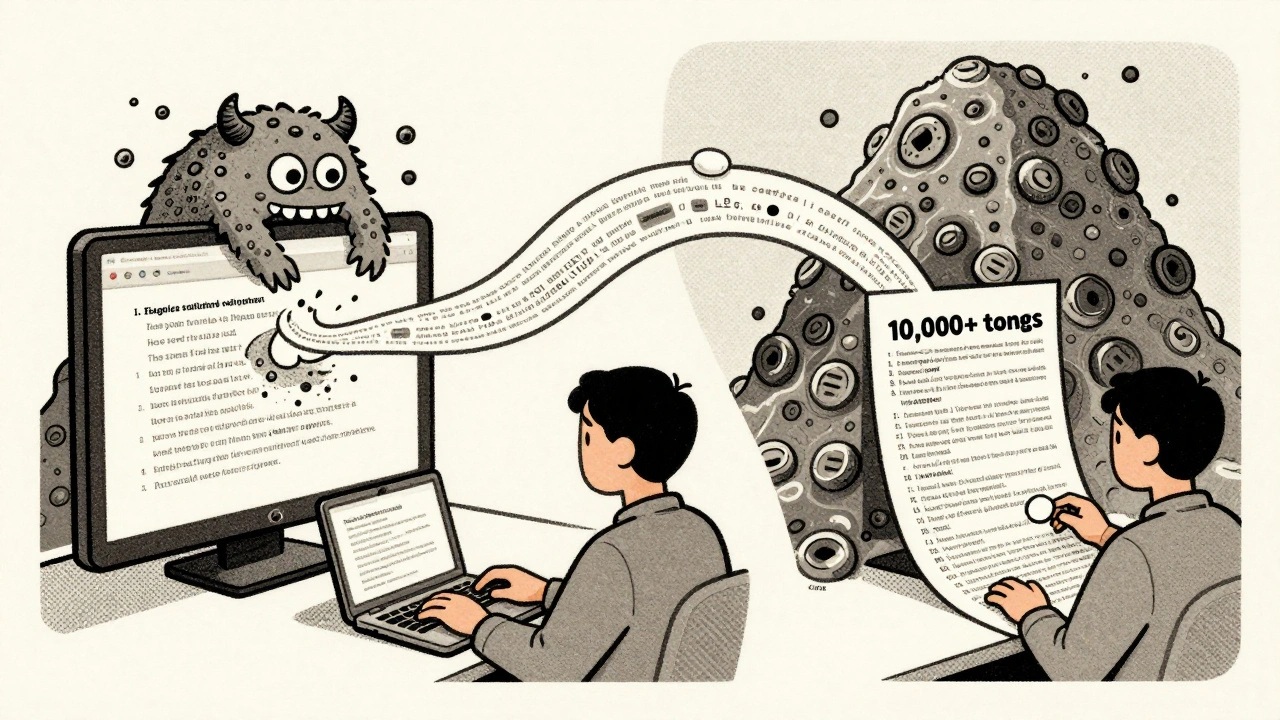
How Usage Patterns Affect Large Language Model Billing in Production
LLM billing in production depends on how users interact with the model-not just how many users you have. Token usage, model choice, and peak demand drive costs. Learn how usage patterns affect your bill and what pricing models work best.
Read More