Policy Adherence in AI Systems: Compliance, Ethics, and Legal Requirements
When you deploy policy adherence, the practice of ensuring AI systems follow legal, ethical, and organizational rules. Also known as AI governance, it's not optional anymore—regulators, customers, and even your own team expect it. Without it, even the most powerful AI can get you fined, sued, or shut down.
AI compliance, the process of meeting regulatory standards like GDPR, CCPA, or state-level AI laws, isn’t just about checking boxes. It’s about how you collect data, who can see it, and whether your model hallucinates facts that could mislead users. Companies that ignore this risk everything. California’s AI law, for example, forces transparency about training data and requires consent for biometric use. Meanwhile, export controls now treat AI models like weapons—shipping them overseas without proper documentation can trigger federal penalties.
generative AI ethics, the framework guiding fair, transparent, and responsible use of AI-generated content, ties directly into policy adherence. If your chatbot generates harmful content, or your tool misrepresents someone’s voice, you’re not just breaking a rule—you’re breaking trust. Tools like safety classifiers and redaction systems help, but they’re only as good as the policies behind them. Harvard and UNESCO have shown that ethics isn’t a one-time audit—it’s a culture built into every step, from training data selection to user warnings.
And it’s not just about law or morality. data privacy, the protection of user information from misuse, unauthorized access, or exposure, directly impacts your bottom line. A single leak in your LLM’s training data can trigger class-action lawsuits. Confidential computing and Trusted Execution Environments (TEEs) help, but they’re useless if your team doesn’t enforce access controls or audit logs.
Policy adherence isn’t a department. It’s a habit. It’s asking: Who trained this model? Where did the data come from? What happens if it goes wrong? The posts below show you exactly how real teams handle this—whether they’re locking down multi-tenant SaaS apps, cutting cloud costs without risking compliance, or using retrieval-augmented generation to avoid hallucinations that violate truthfulness benchmarks. You’ll see how enterprise data governance, content moderation, and risk-adjusted ROI aren’t buzzwords—they’re survival tools.
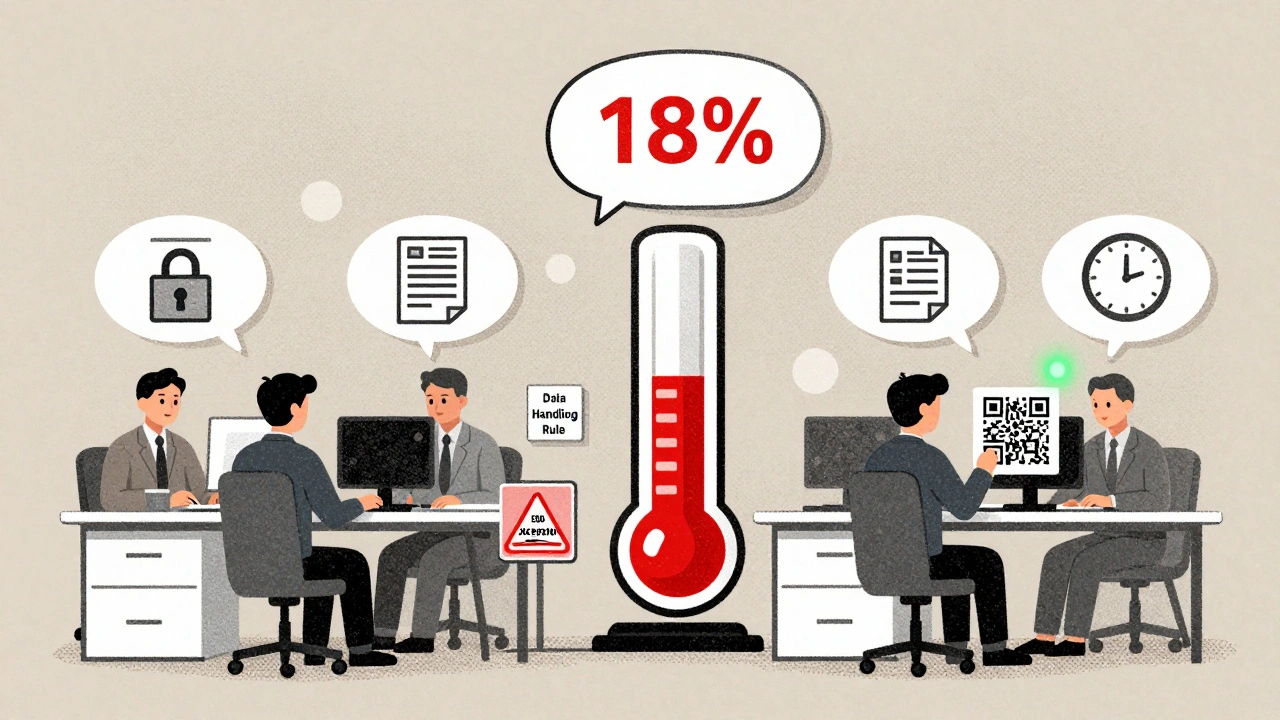
KPIs for Governance: How to Measure Policy Adherence, Review Coverage, and MTTR
Learn how to measure governance effectiveness with policy adherence, review coverage, and MTTR-three critical KPIs that turn compliance into real business resilience.
Read More