MTTR: Mean Time to Recovery in AI Systems and Why It Matters
When your AI-powered chatbot goes down, or your LLM starts hallucinating answers in production, MTTR, Mean Time to Recovery. Also known as mean time to repair, it measures how long it takes to get your system back online after a failure. This isn’t just a metrics dashboard number—it’s the difference between keeping customers and losing them. In AI systems, especially those using large language models, a 10-minute outage can mean thousands in lost revenue, damaged trust, or even legal risk if the model generates harmful content during downtime.
MTTR isn’t just about fixing code. It’s about how fast you detect the problem, isolate the cause, roll back or patch it, and verify the fix. In LLM deployment, the process of putting large language models into real-world applications, MTTR gets complicated. Unlike traditional apps, LLMs depend on external APIs, vector databases, prompt pipelines, and GPU resources—all of which can fail independently. A slow response might be caused by a token limit, a misconfigured autoscaling policy, or even a corrupted model weight file. Tools like generative AI operations, the practices and tools used to monitor, maintain, and optimize live AI systems help you track these failures with real-time alerts, logging, and automated rollback triggers.
High MTTR in AI systems usually means one thing: you’re reacting instead of preparing. The posts below show how teams are cutting MTTR by 70% or more. You’ll see how they use autoscaling to handle sudden traffic spikes, how model versioning lets them roll back in seconds, and how error analysis for prompts helps them catch hallucinations before users notice. Some use confidential computing to protect models during recovery, others build interoperability patterns to switch providers without downtime. There’s no magic here—just systems designed for speed, not just accuracy.
MTTR doesn’t improve by accident. It’s built into the architecture, the monitoring, and the team’s workflow. Whether you’re running a startup chatbot or an enterprise LLM service, the goal is the same: get back up faster than your users notice anything’s wrong. Below, you’ll find real-world examples from developers who’ve cracked this problem—no theory, no fluff, just what works in production today.
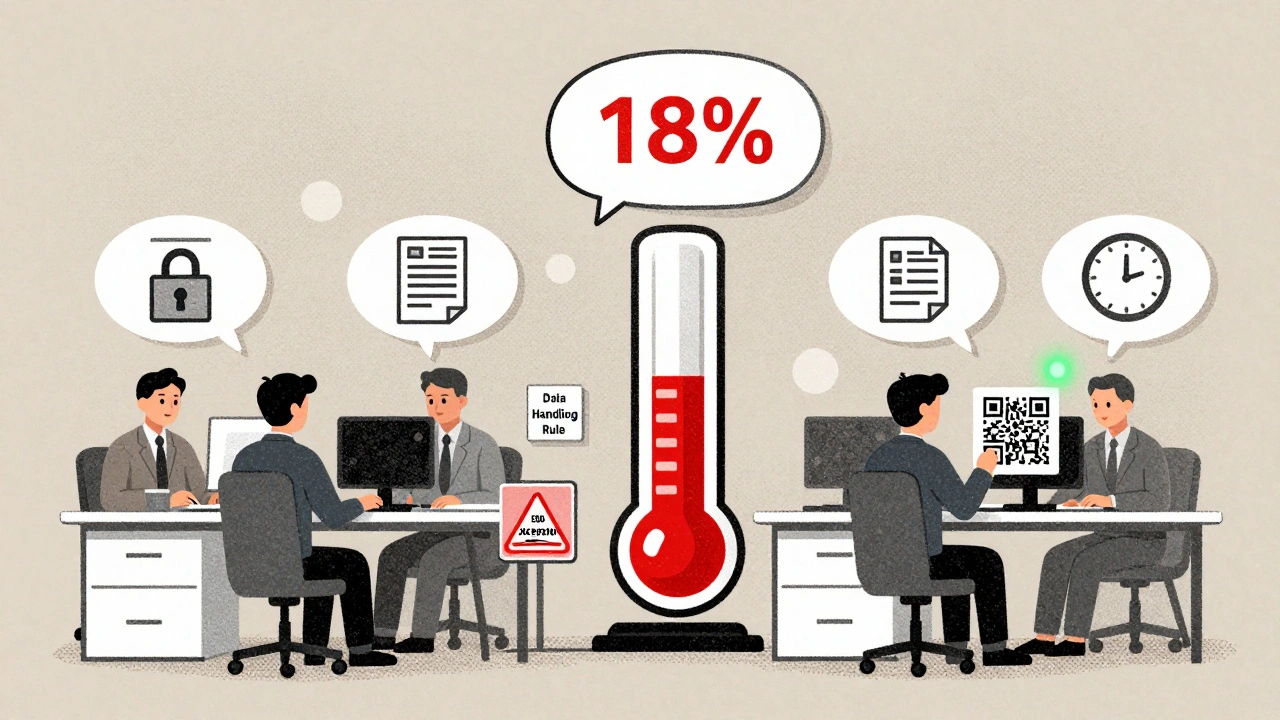
KPIs for Governance: How to Measure Policy Adherence, Review Coverage, and MTTR
Learn how to measure governance effectiveness with policy adherence, review coverage, and MTTR-three critical KPIs that turn compliance into real business resilience.
Read More