Field Service Automation: AI-Powered Tools for Dispatch, Scheduling, and Remote Support
When you think about field service automation, a system that uses software and AI to manage on-site technician work without manual scheduling or paperwork. Also known as mobile workforce management, it’s what keeps electricians, plumbers, HVAC techs, and repair crews running smoothly without constant phone calls or spreadsheets. It’s not just about sending someone to fix a broken machine—it’s about predicting when a machine will break, assigning the right tech with the right parts, and keeping customers in the loop—all without human micromanagement.
Real AI scheduling, algorithms that optimize technician routes and time slots based on location, skill, traffic, and job priority cuts wait times by up to 40%. Companies using it don’t just guess who’s available—they know. Service dispatch, the automated process of assigning jobs to field workers using real-time data like GPS, inventory, and weather means no more calling techs at 7 a.m. to ask if they can make it to a job in another town. And with remote support, using live video, AR overlays, or diagnostic tools to guide technicians or even fix issues without a physical visit, you can solve 30% of problems before anyone leaves the office.
These systems don’t work in isolation. They tie into your CRM, inventory databases, and even AI-powered chatbots that answer customer questions before a ticket is even created. The goal? Less paperwork, fewer missed appointments, and happier customers who don’t have to wait days for a fix. You’re not replacing people—you’re giving them better tools so they can do more in less time.
What you’ll find below are real examples of how developers are building these systems in PHP—integrating OpenAI for smart routing, using vector databases to match parts with job types, and automating alerts based on equipment sensors. No theory. No fluff. Just code that works in the field today.
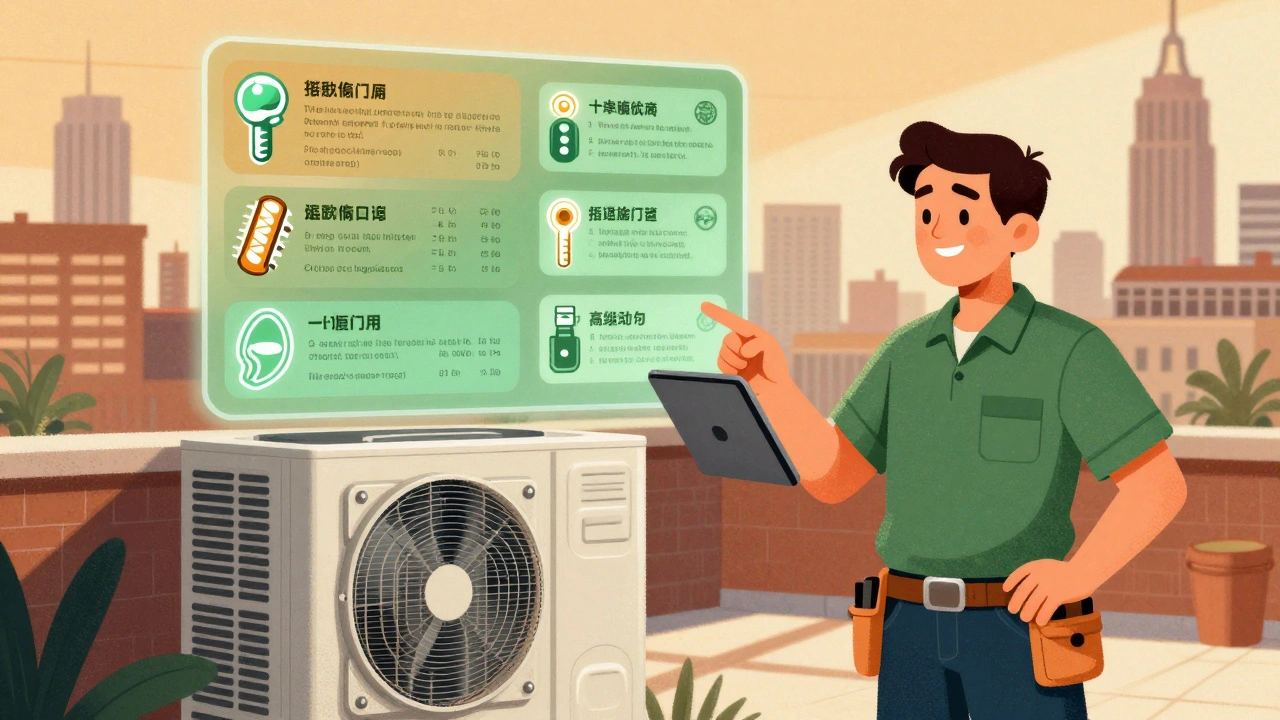
Field Service with Generative AI: Diagnostic Guides and Parts Recommendations
Generative AI is transforming field service by delivering real-time diagnostic guides and accurate parts recommendations. Technicians now fix more problems on the first visit, waste fewer parts, and spend less time searching for answers.
Read More