Developer Sentiment in AI-Powered PHP Projects
When developers build AI features into PHP apps, their developer sentiment, the collective attitude, frustrations, and motivations of engineers working with AI tools in real projects. Also known as engineering morale, it’s not just about whether the code works—it’s about whether they want to maintain it, trust it, or ship it again. This isn’t theoretical. Developers aren’t just picking models or tuning prompts. They’re deciding if they’ll sleep well after deploying a chatbot that hallucinates medical advice, or if they’ll spend weekends patching a poorly secured LLM endpoint because the vendor lock-in was too tempting to ignore.
That sentiment shows up in the tools they choose. Look at the posts here: LLM interoperability, patterns that let developers switch between OpenAI, Anthropic, or local models without rewriting everything. Also known as model abstraction, it’s become a survival skill. Why? Because developers are tired of being stuck with one provider’s pricing hikes or sudden API changes. They’re also wary of enterprise data governance, the rules and tools that keep AI from leaking customer data or violating privacy laws. Also known as AI compliance, it’s no longer optional. One bad audit can kill a startup. So developers are pushing for SBOMs, signed weights, and automated scanning—not because they love paperwork, but because they don’t want to be the one who gets fired after a breach.
And then there’s the emotional toll. truthfulness benchmarks, tests that measure how often AI models lie or make up facts. Also known as hallucination rates, they’re turning into daily reality checks. Developers know their users won’t care that the model was "trained on 10TB of data"—they’ll care that it told a patient they didn’t have cancer when they did. That’s why so many posts here focus on prompt error analysis, the methodical way engineers diagnose why AI gives wrong answers. Also known as debugging AI, it’s become the new unit testing. It’s not glamorous. But it’s necessary.
What you’ll find in this collection isn’t a list of shiny tools. It’s a map of what keeps PHP developers up at night when they’re building AI into their apps. From cost spikes in cloud billing to the quiet dread of deploying a model without proper moderation, these posts capture the real trade-offs—not the marketing promises. You’ll see how developers are pushing back against hype, demanding transparency, and building systems that don’t just work—but that they can stand behind. This isn’t about writing better code. It’s about building better trust.
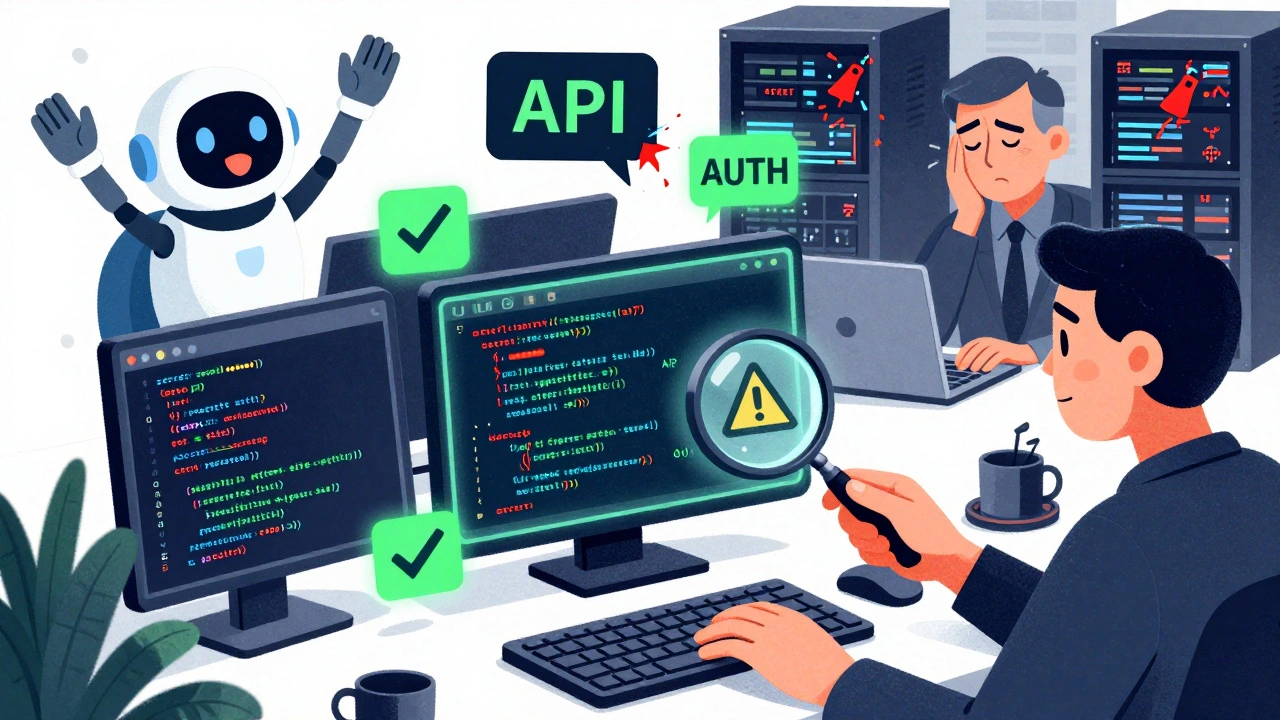
Developer Sentiment Surveys on Vibe Coding: What Questions to Ask and Why They Matter
Developer sentiment surveys on vibe coding reveal a split between productivity gains and security risks. Learn the key questions to ask to understand real adoption, hidden costs, and how to use AI tools safely.
Read More