Consumption-Based Billing for AI Services: Pay Only for What You Use
When you use AI services like large language models, you’re not buying software—you’re buying consumption-based billing, a pricing model where you pay only for the actual compute, tokens, or API calls you use. This is different from monthly subscriptions or fixed licenses. It’s how OpenAI, Anthropic, and cloud providers like AWS and Google Cloud charge for AI inference today. Think of it like electricity: you don’t pay for the power plant, you pay for the watts you pull. This model flips the script on traditional software costs. Instead of paying upfront for capacity you might never use, you scale your spending with your usage. That’s why startups and enterprises alike are switching: it turns AI from a capital expense into an operational one.
But LLM inference costs, the price per token or per request when running AI models in production can spike fast if you’re not careful. A single chatbot conversation might use 2,000 tokens. A customer support system handling 10,000 requests a day? That’s 20 million tokens. Without monitoring, you could burn through thousands in a week. That’s why cloud cost optimization, the practice of reducing AI spending through autoscaling, caching, and model switching isn’t optional—it’s survival. Companies that track usage per user, set hard quotas, and switch to smaller models during low-traffic hours cut their AI bills by 40% to 70%. It’s not about cutting corners. It’s about being smart with resources.
And it’s not just about the API calls. generative AI, systems that create text, images, or code on demand often trigger hidden costs: data retrieval, vector database queries, moderation filters, and logging. These add up fast. Most teams miss them because they only look at the main LLM invoice. The real trick? Build cost visibility into your code from day one. Log every call. Track which features drive the most usage. Tie spending to business outcomes. That way, when your AI starts scaling, you’re not shocked by the bill—you’re in control.
What you’ll find below are real-world guides from developers who’ve been there. They’ve built systems that auto-switch models when usage spikes. They’ve set up alerts that kick in before costs go wild. They’ve tested how much you can save by scheduling AI tasks for off-peak hours. No fluff. No theory. Just what works when your API bill is climbing and your boss is asking why.
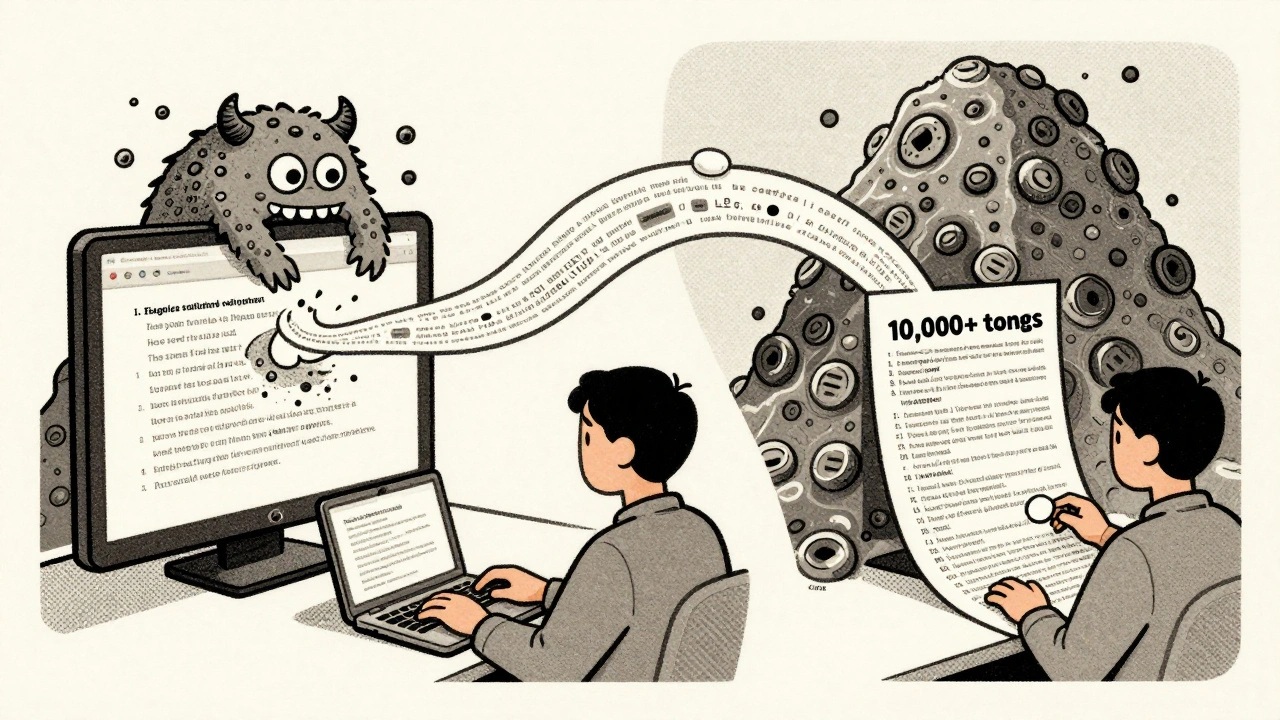
How Usage Patterns Affect Large Language Model Billing in Production
LLM billing in production depends on how users interact with the model-not just how many users you have. Token usage, model choice, and peak demand drive costs. Learn how usage patterns affect your bill and what pricing models work best.
Read More