AI Scheduling: Automate Meetings, Tasks, and Workflows with Smart PHP Scripts
When you use AI scheduling, a system that uses artificial intelligence to automatically assign time slots for meetings, tasks, and resources based on availability, preferences, and priorities. Also known as smart scheduling, it removes the back-and-forth of email chains and calendar conflicts by learning who’s free, when they’re most productive, and what meetings actually matter. This isn’t just about finding open slots—it’s about making better decisions with less effort.
Real AI scheduling doesn’t just check Google Calendar or Outlook. It connects to your team’s workload, travel time, time zones, and even meeting history. Tools like function calling, a technique where AI models interact with external systems like calendars or task managers to execute actions let your PHP app ask an LLM: "Who can meet tomorrow after 2 PM, given their last three meetings ran late?" Then it books the slot, sends the invite, and updates your task list—all without you lifting a finger. You can even tie this to retrieval-augmented generation, a method that lets AI pull from your internal data—like employee policies or project deadlines—to make smarter, context-aware schedules. No more guessing if a 30-minute slot is enough for a client call. The system knows.
PHP is perfect for this because it’s fast, runs everywhere, and plays well with APIs. Whether you’re building a SaaS tool for small teams or automating internal workflows at a mid-sized company, you can drop in a PHP script that talks to Google Calendar, Microsoft Graph, or even custom databases. You don’t need to train a giant model. Just use lightweight AI—like a fine-tuned open-source LLM or a simple rule-based engine powered by real-time data—to handle the heavy lifting. And with autoscaling LLM services, a way to adjust computing power based on how many scheduling requests come in at once, your app stays fast even during peak hours.
What you’ll find here aren’t theory pieces. These are real, working PHP scripts—some open source, some premium—that integrate AI scheduling into actual apps. You’ll see how to avoid common traps like double-booking, ignoring time zones, or letting AI suggest meetings during lunch. You’ll learn how to use LLM interoperability, patterns that let you switch between AI providers without rewriting your code so you’re not locked into one expensive API. And you’ll find ways to keep costs low by compressing models when you don’t need full power, or switching to simpler logic for basic tasks.
Whether you’re a developer building a client tool or a founder automating your own team’s chaos, AI scheduling cuts hours of manual work. The scripts below show you exactly how to make it work—with clean code, real examples, and no fluff.
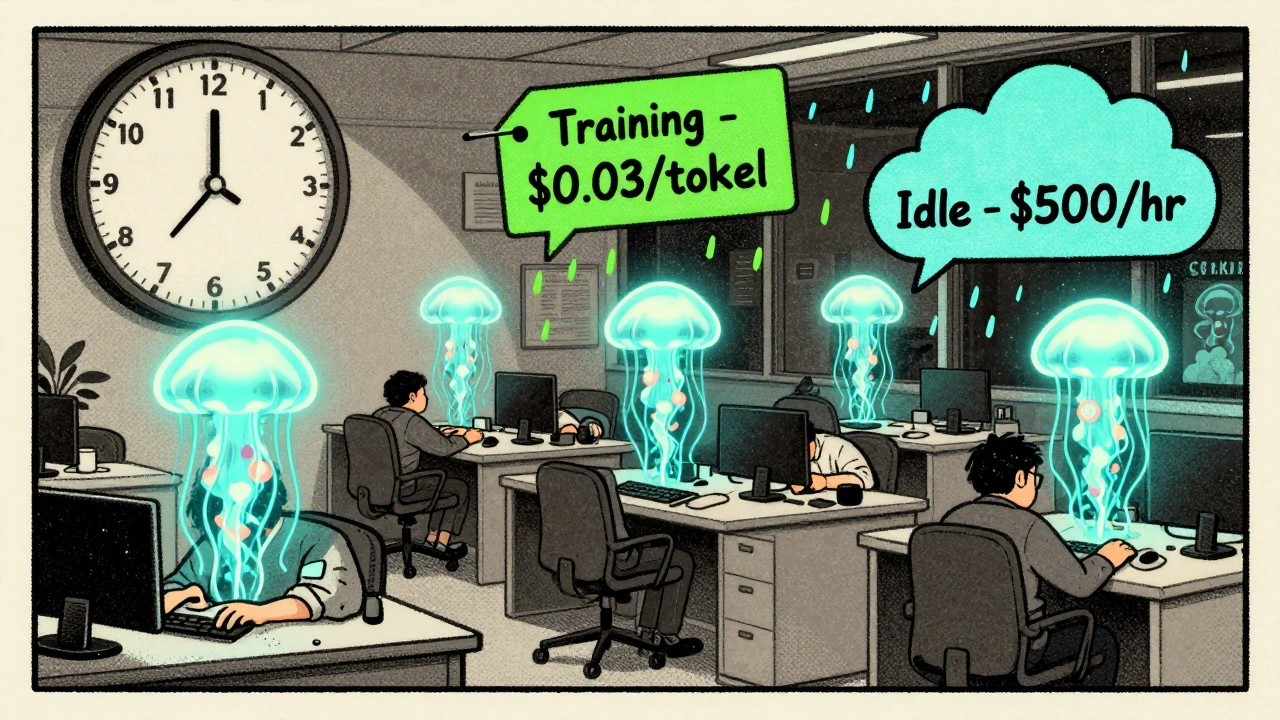
Cloud Cost Optimization for Generative AI: Scheduling, Autoscaling, and Spot
Learn how to cut generative AI cloud costs by 60% or more using scheduling, autoscaling, and spot instances-without sacrificing performance or innovation.
Read More