By early 2026, if your company still writes performance reviews by hand, you’re not just behind-you’re risking fairness, speed, and employee trust. Generative AI isn’t coming to HR; it’s already there, quietly rewriting how feedback is given, how potential is spotted, and how careers are built inside organizations. This isn’t science fiction. It’s happening right now in companies using tools like Lattice, Eightfold AI, and custom-built systems tied to Workday and SAP SuccessFactors. And the numbers don’t lie: 68% of mid-to-large enterprises now use AI to draft or refine performance reviews, according to Lattice’s 2025 State of People Strategy Report. That’s not a trend. That’s a new standard.
What Generative AI Actually Does in Performance Reviews
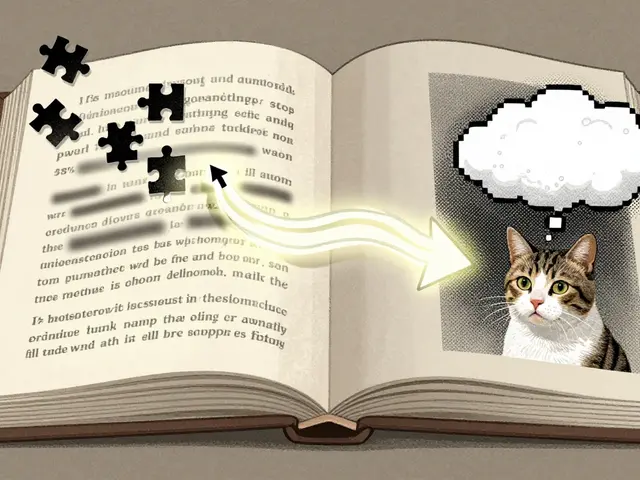
Most people imagine AI writing full reviews from scratch. That’s not how it works-and it shouldn’t. The real value lies in augmentation. Generative AI takes raw data: manager notes, peer feedback, past ratings, project outcomes, skills assessments, even Slack messages tagged as recognition. It then turns that messy input into clear, consistent, and personalized draft feedback.
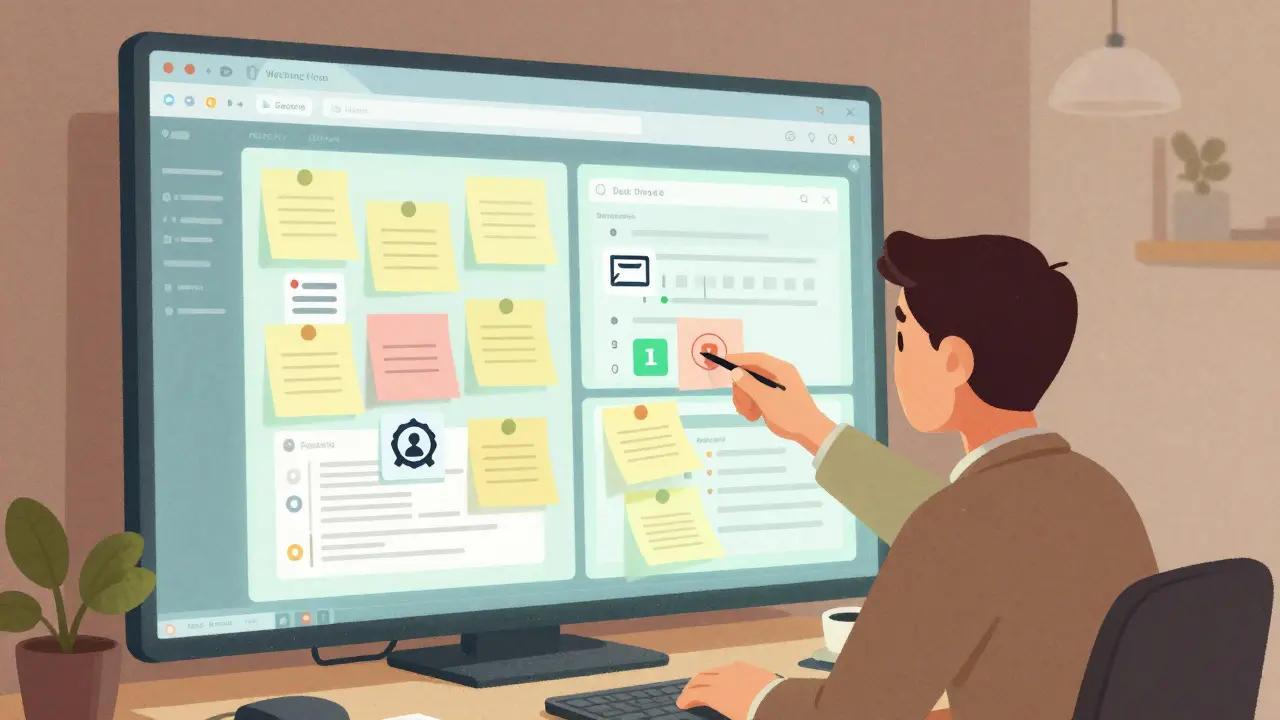
Before AI, a manager might spend 3-5 hours writing a single review. Now, with tools like Lattice’s Performance Insights, that drops to under an hour. The AI suggests language that matches company tone, flags inconsistencies (like a manager giving everyone a 5/5 rating), and highlights strengths or gaps based on actual performance trends. In one case study, a Fortune 500 tech firm saw rating inflation drop by 19% after rolling out AI-assisted reviews. Why? Because the system reminded managers: “You gave three people in this team a perfect score last quarter. Is that still accurate?”
It’s not just about saving time. It’s about fairness. AI doesn’t have favorites. It doesn’t remember that Jane from accounting once criticized your presentation. It sees patterns: “Employee X completed 12 key projects this year, received 14 positive peer mentions, and was rated highest in collaboration across three teams.” That’s objective. And when employees feel reviews are fair, satisfaction jumps. Lattice’s data shows a 32% increase in employee satisfaction with the review process after AI adoption.
From Reviews to Real Career Paths
Performance reviews used to be an annual checkpoint. Now, they’re the starting line for career movement. Generative AI doesn’t stop at feedback-it connects that feedback to growth.
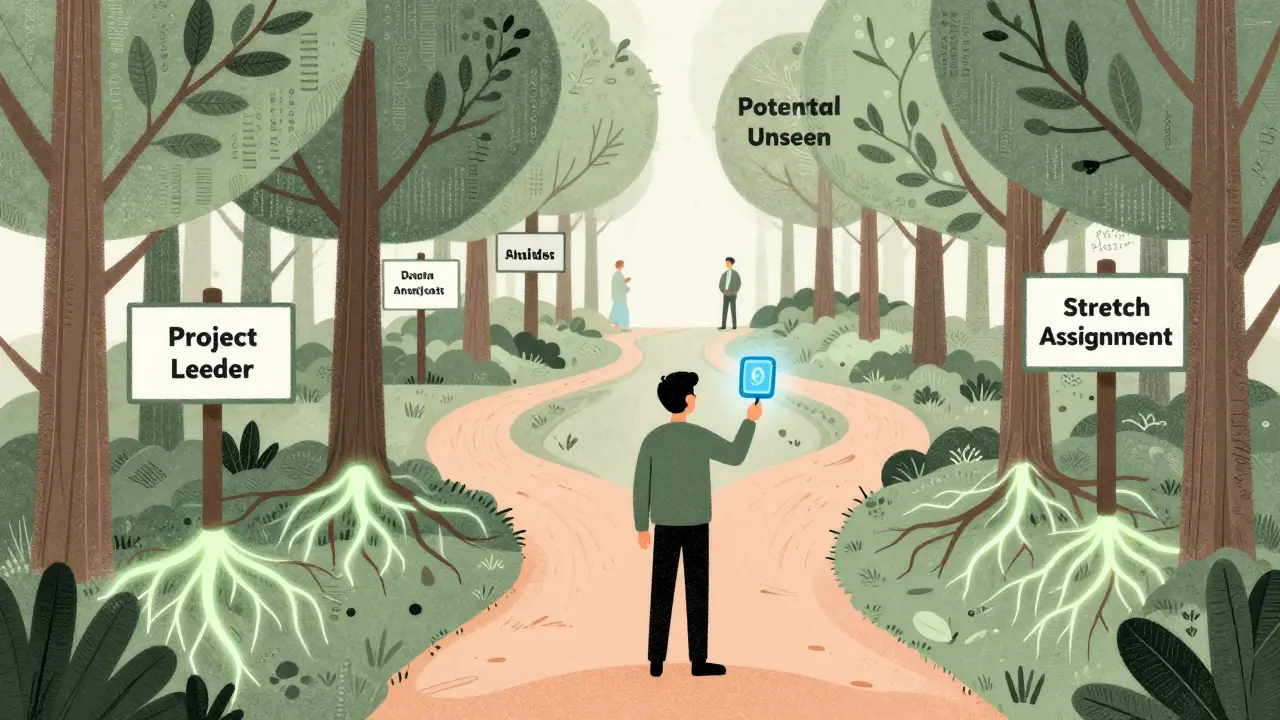
Think of it like a GPS for your career. The system looks at five to seven years of your work history: what skills you’ve used, which projects you led, how you’ve grown in past roles, and even which internal teams you’ve collaborated with. Then it asks: “Where could you go next?”
At a global manufacturing company using Eightfold AI, an employee in customer support was flagged as having strong analytical skills and leadership potential-skills she didn’t even realize she had. The AI recommended her for an internal data analyst role she hadn’t considered. She applied, got the job, and now leads a team. That’s not luck. That’s AI spotting hidden potential.
Assessio’s 2026 research found these systems identify viable internal opportunities 83% faster than HR teams doing it manually. And they don’t just suggest promotions-they suggest lateral moves, stretch assignments, and skill-building courses tailored to your goals. One company saw a 27% increase in internal mobility within a year after launching AI-powered Recommended Growth Plans.
The Hidden Risks: Bias, Privacy, and Overreliance
But here’s the catch: AI is only as good as the data it’s fed. If your past reviews favored men for leadership roles, or if your promotion patterns ignored remote workers, the AI will learn that-and repeat it.
HR Acuity’s 2026 analysis of 127 enterprise implementations found that without proper validation, AI can amplify existing biases. One company’s system kept suggesting engineering roles for men and administrative roles for women, because that’s what the historical data showed. It wasn’t malicious. It was just mirroring the past. Fixing this requires active auditing: HR teams must run bias checks every quarter, compare AI suggestions against actual promotion rates by gender, race, and tenure, and adjust training data accordingly.
Privacy is another concern. GDPR and the new EU AI Act (effective February 2026) require companies to explain how AI influences promotion decisions. Employees have the right to ask: “Why did the system suggest this path for me?” That means HR can’t just hand over a black box. They need to document how the AI works, what data it uses, and how decisions are validated.
And then there’s the risk of impersonality. On Reddit’s r/humanresources, 27% of users said AI-generated feedback felt “robotic” or “generic.” One employee wrote: “It said I ‘demonstrated strong communication skills’-but it didn’t mention I led the crisis response during the server outage. That’s the story that matters.” Human oversight isn’t optional. It’s the glue that holds this system together.
What Works in Practice: Real Implementation Lessons
Companies that succeed with AI in HR don’t just buy software-they rebuild their process.
First, they invest in prompt engineering. Not the kind you see in tech blogs, but HR-specific prompts: “Generate feedback that highlights growth, not just results,” or “Avoid jargon like ‘synergy’ and ‘bandwidth.’” According to AIHR’s 2026 survey, 82% of HR leaders say this skill is essential.
Second, they customize. A company with 200 employees won’t need the same setup as one with 20,000. Successful implementations spent 20+ hours customizing AI models to match their own competency frameworks-what “leadership” or “innovation” actually looks like in their culture.
Third, they integrate. AI tools that plug into Workday or SAP SuccessFactors work better. Those that require manual data uploads? They fail. One HR director told us: “We spent six months trying to get the AI to talk to our old HR system. We gave up and switched platforms.”
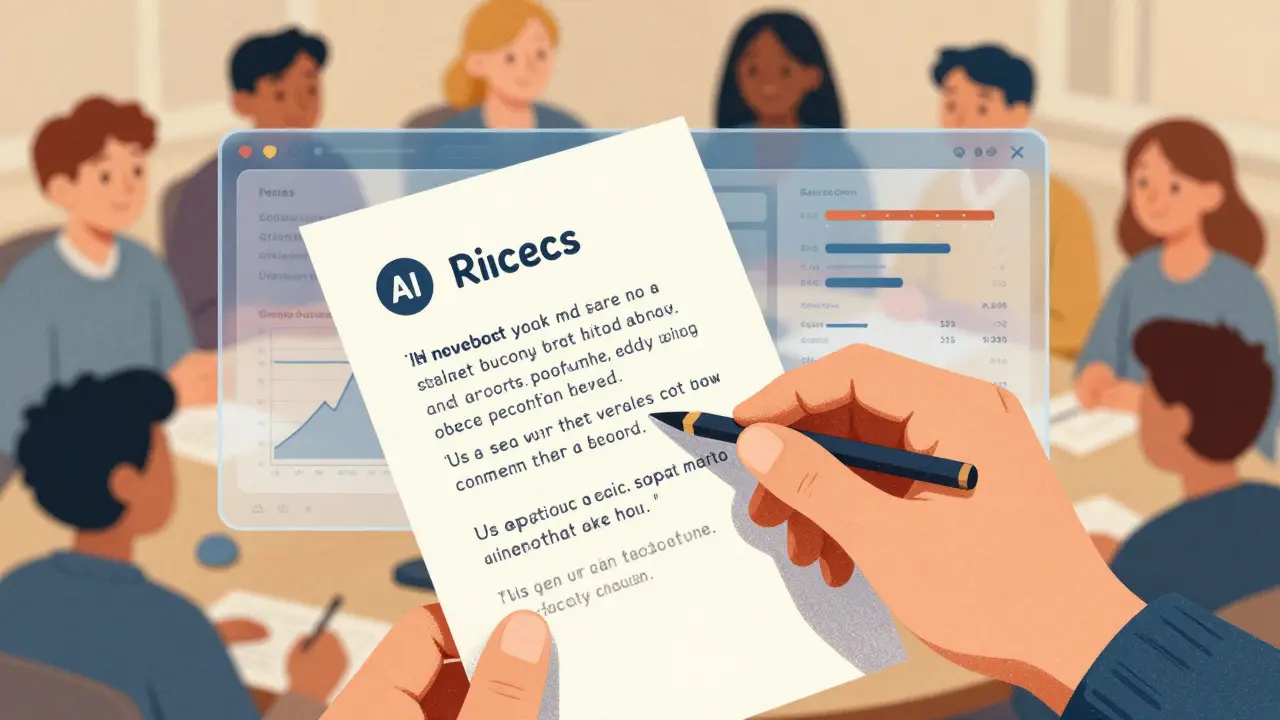
And finally, they train managers. Not on how to use the tool-but on how to interpret it. “Don’t copy-paste,” they’re told. “Use this as a starting point. Add the story behind the data.”
The Future Is Human-AI Collaboration
Some fear AI will replace HR. That’s not happening. In fact, the opposite is true. Josh Bersin says AI will create more HR jobs-not fewer. Why? Because now you need people who understand both data and human behavior. You need HR analysts who can spot when the AI is wrong. You need coaches who can turn AI suggestions into meaningful conversations.
Gartner predicts that by 2028, 75% of performance feedback will be AI-assisted-but human-validated. That’s the sweet spot. AI handles the heavy lifting: sorting data, spotting patterns, drafting language. Humans handle the heart: empathy, context, nuance.
Companies that embrace this hybrid model aren’t just modernizing HR-they’re becoming more equitable, more agile, and more human. The best AI systems don’t replace managers. They empower them. They give a first-time manager the confidence to give real feedback. They help a quiet employee see their own potential. They make career paths feel less like a lottery and more like a roadmap.
This isn’t about technology. It’s about trust. And the companies winning now are the ones who let AI do the math-but never the listening.
Can generative AI replace human managers in performance reviews?
No. Generative AI can draft feedback, spot patterns, and reduce bias, but it cannot replace human judgment in sensitive conversations. Managers still need to add context, empathy, and personal insight. AI handles the structure; humans handle the meaning.
Is generative AI in HR only for big companies?
No. While enterprise adoption is higher, small and mid-sized companies are catching up fast. Tools like Lattice and Eightfold AI offer scalable plans starting under $10,000/year. The key is having clean data and a clear set of competencies-not a huge HR team.
How long does it take to implement AI for performance reviews?
For mid-sized companies using modern HRIS platforms, implementation typically takes 12-14 weeks. This includes data integration, customizing AI prompts, training managers, and running pilot reviews. Companies with legacy systems may take 6-8 months longer.
What skills do HR teams need to use AI effectively?
Three core skills: prompt engineering for HR contexts (writing clear instructions for the AI), data literacy (understanding what metrics matter), and change management (helping employees and managers trust the system). HR teams that invest in these skills see 3x better outcomes.
Are AI-generated career paths fair to underrepresented groups?
Only if they’re actively monitored. AI can accidentally reinforce past biases if historical data reflects unequal promotion patterns. Leading companies run quarterly bias audits, compare AI suggestions against actual promotion rates by demographic, and adjust training data to ensure equity. Transparency is required under the EU AI Act starting February 2026.
What’s the ROI of using AI for career pathing?
Companies report 20-30% increases in internal mobility within a year. That means lower hiring costs, faster role filling, and higher retention. One tech firm saved $2.3 million in external recruitment costs in 12 months after launching AI-powered career pathing. The biggest ROI? Employee engagement-people stay longer when they see a clear future.
Generative AI in HR isn’t about automation for automation’s sake. It’s about giving people more clarity, more opportunity, and more fairness. The tools are here. The data is ready. What’s left is the courage to use them wisely.