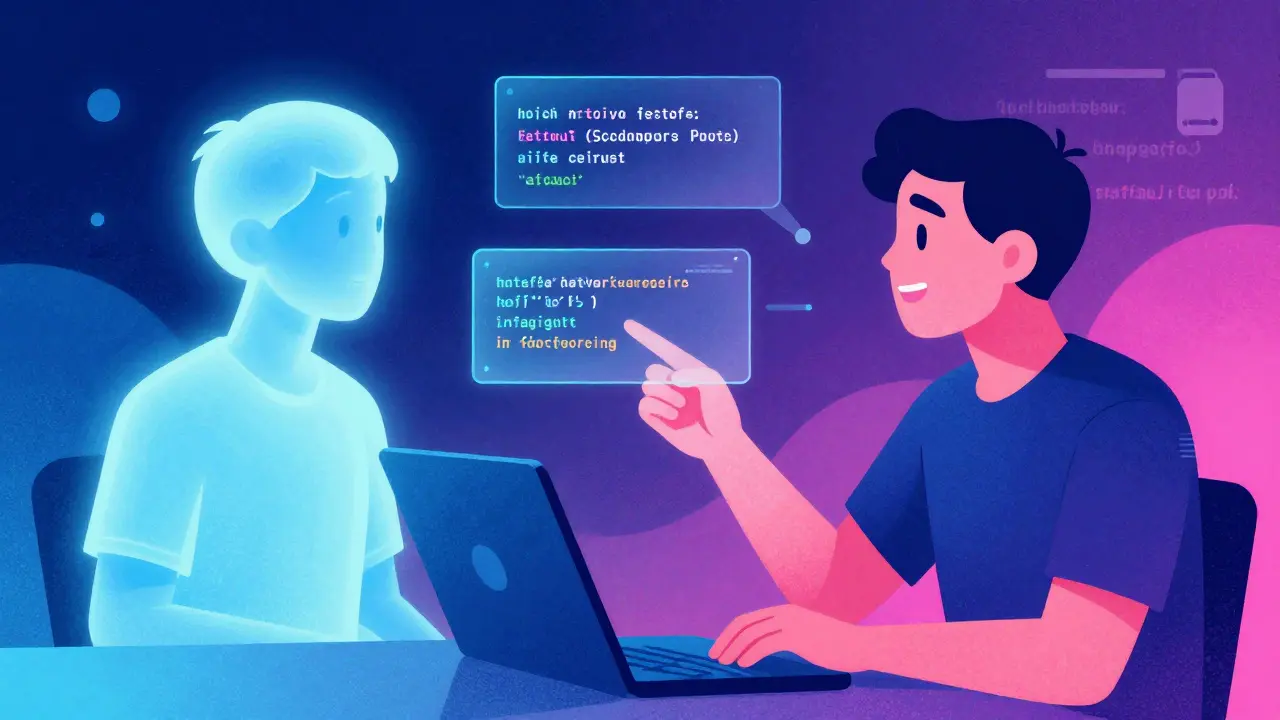
Imagine shipping a complex feature 60% faster than you did last year, not by typing more code, but by describing it. That is the reality of vibe coding is a style of programming that uses natural language prompts to collaborate with AI coding assistants to accelerate development cycles. But for big companies, "vibing" with an AI isn't enough. When you're dealing with thousands of developers and strict regulatory requirements, you can't just hope the AI gets it right. You need a standard. This is why 78% of organizations with over 1,000 developers have now implemented formal vibe coding policies to prevent a surge in technical debt and security holes.
The High Stakes of AI-Generated Code
If you're just tinkering on a side project, a few bugs are no big deal. In an enterprise environment, an unvetted prompt can introduce critical vulnerabilities. The IEEE Computer Society recently pointed out that unvetted AI code introduced vulnerabilities in 22% of examined enterprise applications. This gap is exactly why professional certification is moving from "nice to have" to a mandatory requirement for engineering teams.
The goal of these pathways isn't just to teach you which buttons to click in a tool. It's about building critical judgment. As MIT professor Dr. Elena Rodriguez notes, the real skill isn't tool proficiency-it's the ability to evaluate whether the AI's solution is actually production-ready. Without this, enterprises risk creating a generation of "copy-paste" developers who can't debug the very systems they've built.
Comparing the Top Certification Pathways
Depending on whether you're a seasoned engineer or a non-technical product manager, the "right" path varies wildly. Some programs focus on the ecosystem, while others double down on governance and security.
| Provider | Focus | Time Commitment | Cost | Best For |
|---|---|---|---|---|
| ServiceNow | Governance & Debugging | 16 Hours | $1,200 | Enterprise Architects |
| ADaSci | Multi-platform Proficiency | 40 Hours | $295 + Annual Fee | Professional Practitioners |
| Stanford Continuing Studies | Meta-skills & Judgment | 5 Weeks | $355 | Hybrid Tech/Biz Roles |
| Microsoft Learn | Copilot Workflows | 1.5 Hours | Free | Quick Onboarding |
| Coursera (Scrimba) | General Essentials | 12 Hours | $49/mo | Beginners |
Deep Dive: Governance-First Training
For those in regulated industries like healthcare or finance, a general course on prompt engineering isn't enough. You need frameworks that enforce compliance. ServiceNow has carved out a niche here. Their platform integrates human-in-the-loop governance, which has reportedly reduced security errors by 42%. Their certification is rigorous, focusing on how to wrap AI output in a layer of corporate oversight.
Similarly, the ADaSci Certified Vibe Coding Practitioner program is highly regarded in Europe. Unlike others, they force you to work across multiple platforms-like Lovable, Bolt, and Replit. This prevents "tool lock-in" and teaches you the universal principles of AI collaboration. They also require 15 hours of continuing education annually, which is vital because AI capabilities evolve so fast that half of what you learn today might be obsolete in 14 months.
Practical Skill Sets for the Vibe Coder
What does a certified practitioner actually do differently? It's not just about writing a better prompt. Successful enterprise vibe coders focus on three specific areas:
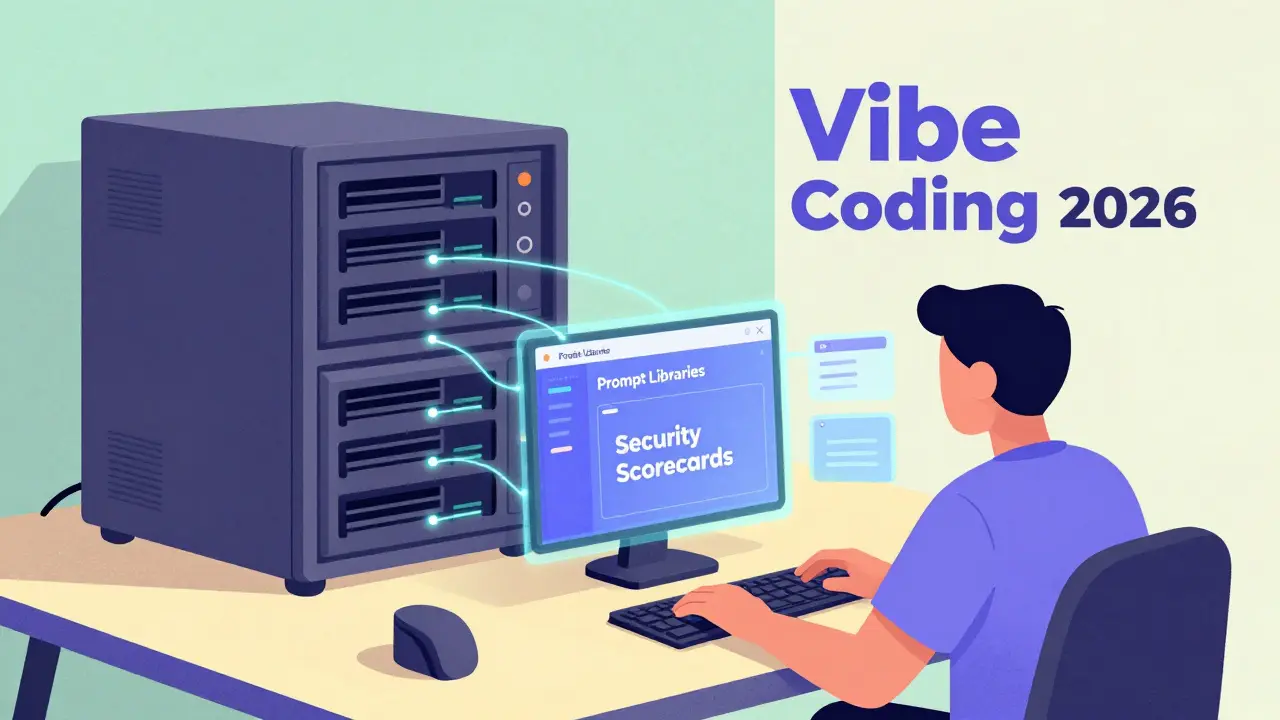
- Prompt Library Management: Instead of guessing, pros build version-controlled libraries of tested prompts that are known to produce secure, compliant code.
- MCP Integration: Mastering the Model Context Protocol (MCP) allows developers to give AI assistants a better understanding of their specific codebase and local environment.
- Security Auditing: Learning to use tools like GitHub's vibe coding scorecards to automatically assess code quality against corporate standards before a single line is merged.
If you're just starting, you'll likely hit a wall called "prompt fatigue." Data from LinkedIn Learning shows that about 27% of developers feel drained after four hours of constant prompting. Certification helps you move past this by teaching you when to stop prompting and when to go back to manual coding for precision.
Choosing Your Path Based on Your Role
Don't buy the most expensive course; buy the one that fits your daily job. If you are a non-technical manager who just wants to prototype a few ideas, Campus.edu's VibeCoding 101 is a great start. It's project-based and gets you shipping quickly, though be mindful of the extra costs for tool subscriptions like Replit Teams.
If you are a senior engineer, skip the basics. Look for programs that emphasize the IEEE guidelines or those that focus on the intersection of AI and legacy system integration. The biggest hurdle for most enterprises isn't writing new code-it's using vibe coding to modernize 20-year-old COBOL or Java systems without breaking them.
The Future of AI Certification
We are moving toward a world of standardization. The IEEE's Working Group P2874 is currently drafting the "Standard for Enterprise Vibe Coding Practices," which will likely become the gold standard for the industry by mid-2026. This means that the "Wild West" era of just trying prompts is ending. Soon, your ability to prove you can govern an AI will be as important as your ability to write the code itself.
Is vibe coding actually "real" programming?
Yes, but it shifts the skill set. Instead of focusing on syntax and semicolons, the developer focuses on architecture, intent, and verification. It's a move from being a "writer" of code to being an "editor" and "architect" of AI-generated solutions.
Do I need to know how to code manually to be a vibe coder?
While courses like Campus.edu welcome beginners, most experts, including GitHub's Nat Friedman, warn that lacking foundational knowledge creates massive technical debt. You don't need to be a master, but you must be able to read the code the AI produces to ensure it's not hallucinating a security flaw.
Which certification is most recognized by employers?
In Europe, ADaSci has strong recognition (around 83%). In the US, platform-specific certifications from Microsoft (GitHub Copilot) and ServiceNow are more common due to their deep integration into existing enterprise software stacks.
How long does it take to become proficient?
Basic proficiency usually takes around 17 hours of targeted training. However, mastering the governance and security frameworks required for enterprise-level work typically requires 80+ hours of study and practice.
What are the hidden costs of these courses?
Many courses are affordable or free, but the tools they use aren't. You may need monthly subscriptions for tools like Claude Code, Replit Teams, or GitHub Copilot, which can add $20-$100 to your monthly expenses.