Utah AI Policy: What Developers Need to Know About State-Level AI Rules
When you're building AI tools in PHP, Utah AI policy, a set of state-level rules governing how artificial intelligence systems are developed, deployed, and audited in Utah. Also known as Utah AI legislation, it doesn't just affect government agencies—it impacts every developer shipping AI-powered apps to users in the state. This isn't about banning tech. It's about accountability. If your app uses LLMs to generate content, make decisions, or handle personal data, Utah wants to know how you're controlling bias, ensuring transparency, and protecting privacy.
Utah's rules tie directly into enterprise data governance, the practices organizations use to manage data quality, access, and compliance for AI systems. For example, if your PHP app pulls user data into a generative AI model, Utah’s policy requires you to document where that data came from, how it was used, and who approved it. This isn’t theoretical—companies have been fined for using unvetted training data. The same AI data privacy, the protection of personal information used in AI training and inference principles you see in GDPR or CCPA show up here, but with Utah’s own enforcement timeline and penalties.
It also connects to AI compliance, the process of ensuring AI systems meet legal, ethical, and operational standards. Utah doesn’t require you to open-source your models, but it does demand audit trails. That means your PHP backend needs logging for every API call to OpenAI or another provider. You need to track token usage, user IDs, and response outcomes. If a user asks your chatbot a medical question and gets a dangerous answer, regulators will ask: Did you have a safety classifier? Was the output redacted? Was this tested under real-world conditions?
There’s no statewide AI registry yet, but Utah’s approach is clear: if your AI touches residents’ lives, you’re responsible. This affects SaaS platforms, customer service bots, hiring tools, and even internal automation scripts. You can’t ignore it just because you’re a small team or using open-source models. The state’s focus on responsible AI, AI systems designed to minimize harm and maximize fairness means your code must include safeguards—not as an afterthought, but as a core part of your architecture.
What you’ll find below are real technical guides that help you build around these rules. From setting up content moderation filters in PHP to auditing your LLM supply chain, these posts give you the exact tools and patterns developers are using to stay compliant in Utah and beyond. No fluff. No theory. Just code-level solutions that work today.
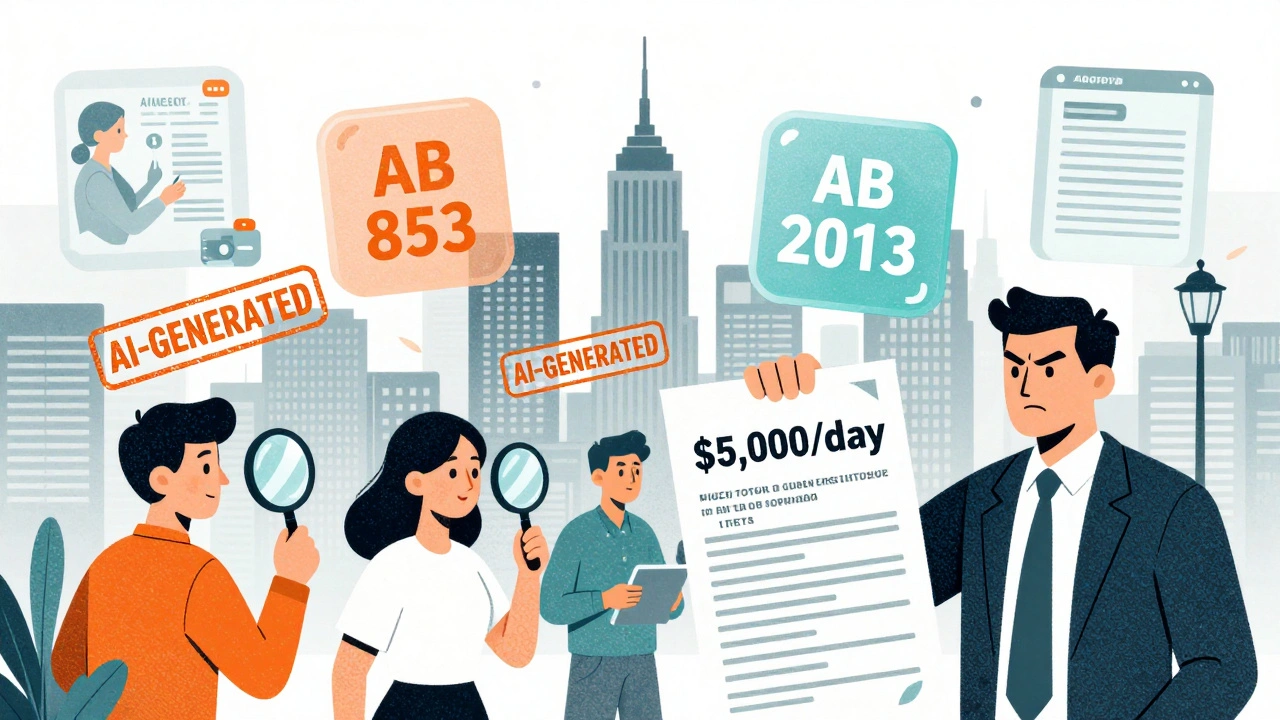
State-Level Generative AI Laws in the United States: California, Colorado, Illinois, and Utah
California leads U.S. state-level AI regulation with strict transparency, consent, and training data laws. Colorado, Illinois, and Utah have narrower rules focused on insurance, deepfakes, and privacy. Businesses must understand state-specific requirements to avoid penalties.
Read More