Governance KPIs for AI Systems: Measuring Compliance, Risk, and Trust
When you deploy governance KPIs, measurable indicators used to track ethical, legal, and operational compliance in AI systems. Also known as AI governance metrics, they turn abstract rules like "be fair" or "protect privacy" into concrete numbers you can act on. Without them, you’re flying blind—thinking your LLM is safe because it passed a test last month, while real risks like biased outputs or data leaks quietly grow.
These KPIs aren’t just for lawyers or auditors. They’re daily tools for engineers, product leads, and even founders who need to answer: Is our AI compliant today? Are we reducing risk over time? Can we prove it to regulators or customers? The best teams track AI risk management, the practice of identifying, measuring, and reducing harms from AI systems using metrics like hallucination rate, data provenance coverage, and user complaint resolution time. They also monitor LLM compliance, adherence to legal frameworks like GDPR, California’s AI laws, or export controls by counting how many training data sources are documented, how often redaction tools are triggered, and whether model versions are signed and scanned for vulnerabilities.
What you measure gets managed. If you only track cost per token, you’ll optimize for cheap outputs—not safe ones. But if you track how often your system flags sensitive content, how many users report incorrect answers, or how long it takes to patch a bias issue, you start building real accountability. Companies using these metrics see fewer fines, faster audits, and more customer trust. You don’t need fancy tools to start. Just pick three things that matter most to your business: maybe it’s data retention compliance, model transparency scores, or cross-team incident response speed. Measure them weekly. Adjust fast.
Below, you’ll find real-world guides from developers who’ve built these systems—from tracking training data lineage with Databricks, to calculating risk-adjusted ROI, to setting up confidential computing for inference. These aren’t theory pieces. They’re battle-tested checklists, benchmarks, and code patterns that turn governance from a compliance checkbox into a competitive edge.
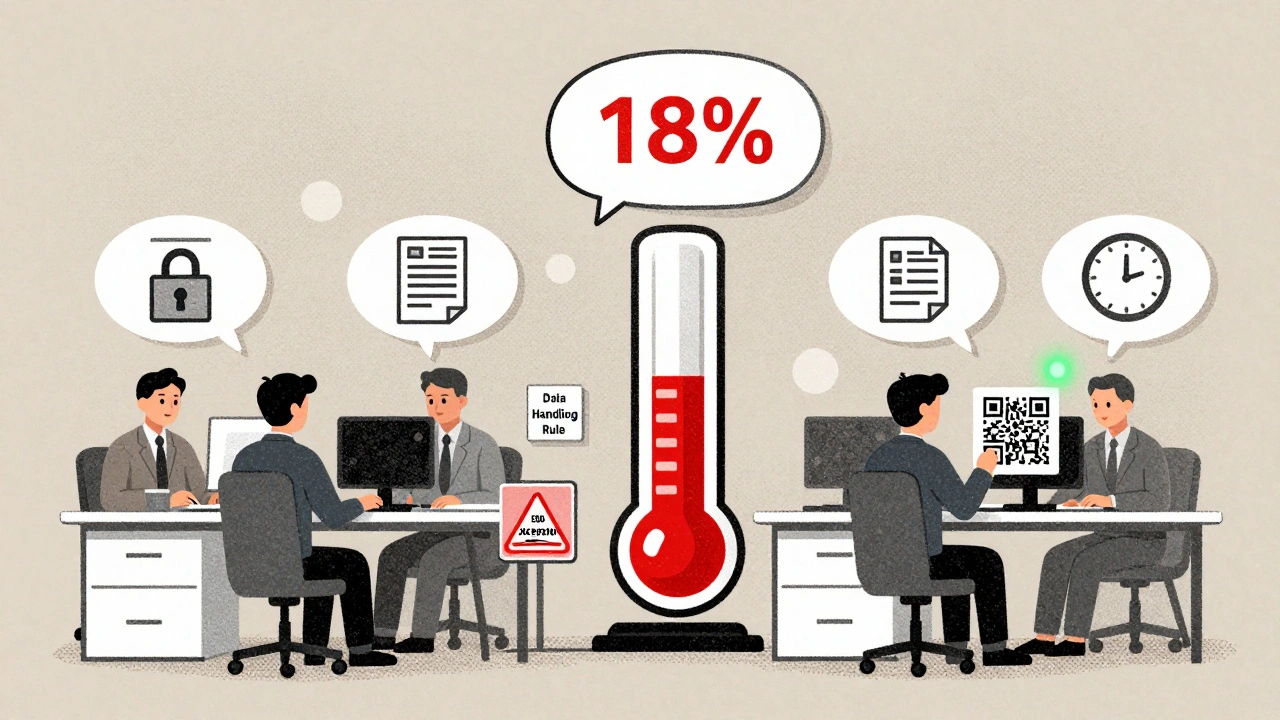
KPIs for Governance: How to Measure Policy Adherence, Review Coverage, and MTTR
Learn how to measure governance effectiveness with policy adherence, review coverage, and MTTR-three critical KPIs that turn compliance into real business resilience.
Read More