Generative AI Laws: What You Need to Know About Compliance, Risks, and Global Rules
When you build or deploy generative AI, systems that create text, images, or video using machine learning models. Also known as AI-generated content systems, they’re powerful—but they’re also under growing legal scrutiny. If you’re using tools like OpenAI, Claude, or open-source LLMs in your PHP apps, you’re not just writing code—you’re navigating a minefield of rules that vary by country, industry, and use case.
AI compliance, the practice of following legal and ethical standards when deploying AI systems. Also known as responsible AI, it’s no longer optional. The EU’s AI Act, the U.S. Executive Order on AI, and China’s generative AI guidelines all demand transparency, data provenance, and risk controls. You can’t just plug in an API and hope for the best. If your app generates content for healthcare, finance, or government users, you’re already in regulated territory. Fines for non-compliance can hit millions. And it’s not just about penalties—users and partners are walking away from tools that feel risky or unethical.
Content moderation, the process of filtering harmful or illegal outputs from AI systems. Also known as AI safety filtering, it’s one of the most common legal requirements. Whether it’s hate speech, misinformation, or deepfakes, regulators expect you to have filters in place. Tools like safety classifiers and redaction engines aren’t nice-to-haves—they’re legal necessities. And it’s not enough to rely on the model provider’s built-in filters. If you’re building a SaaS product or internal tool, you need your own layer of control. Otherwise, you’re liable for what the AI outputs, even if you didn’t ask for it.
Export controls, restrictions on sharing AI models or technology across borders. Also known as AI trade regulations, they’re tightening fast. In 2025, sending a model trained on EU data to a team in India might require a license. If your app uses U.S.-developed models and your users are in China, you could be violating sanctions. Global teams are getting caught off guard because they think open-source means free to share. It doesn’t. The rules now track model size, training data origin, and intended use—not just where the code lives.
These aren’t theoretical concerns. Companies have been fined, products pulled, and founders sued. The good news? You don’t need a legal team to start. You just need to know where the risks are. The posts below show you exactly how to handle compliance without slowing down development. You’ll find real-world guides on setting up data governance, using confidential computing to protect user inputs, measuring policy adherence with KPIs, and avoiding export violations—even if you’re a solo dev or small team. This isn’t about fear. It’s about building something that lasts.
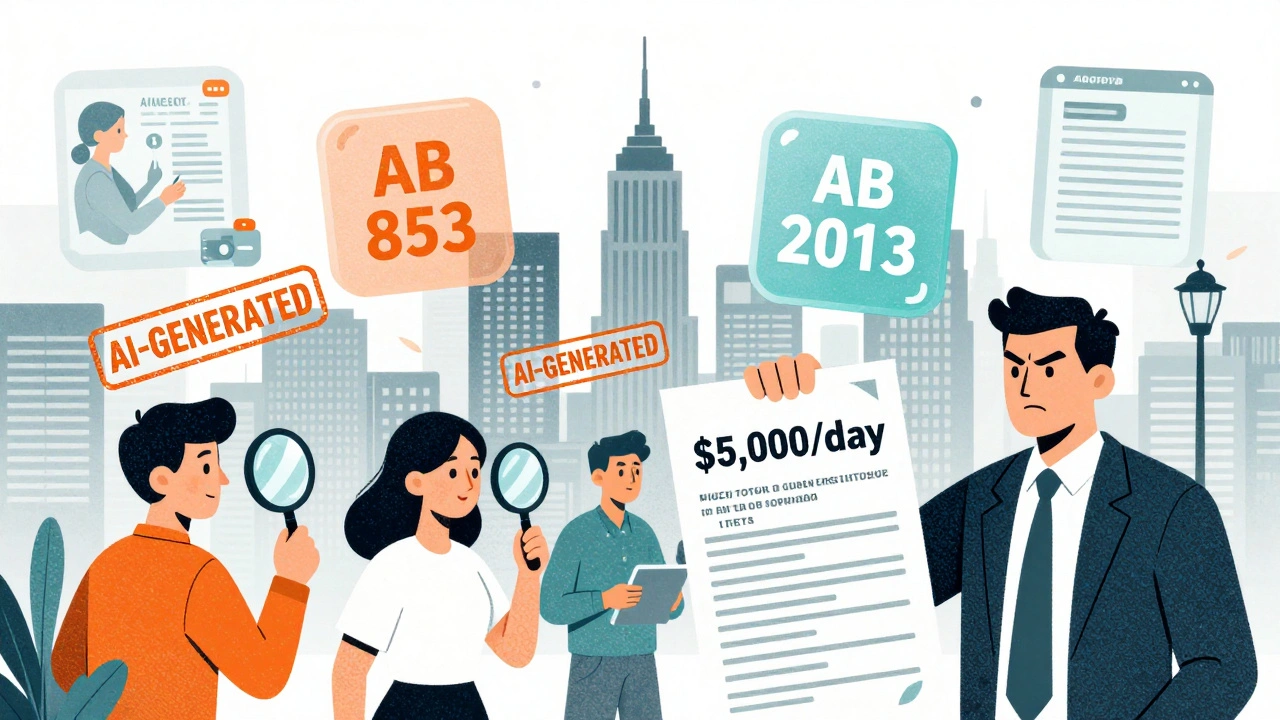
State-Level Generative AI Laws in the United States: California, Colorado, Illinois, and Utah
California leads U.S. state-level AI regulation with strict transparency, consent, and training data laws. Colorado, Illinois, and Utah have narrower rules focused on insurance, deepfakes, and privacy. Businesses must understand state-specific requirements to avoid penalties.
Read More