Function Calling in AI: How PHP Scripts Power Smart API Interactions
When you ask an AI model a question, it doesn’t always just reply with text—it can function calling, a technique where AI triggers real-world actions through predefined APIs. Also known as tool use, it lets models like GPT-4 or Claude decide when to call a function—like pulling user data from a database, booking a meeting, or sending a notification—right inside your PHP app. This isn’t science fiction. It’s how modern chatbots handle tasks without needing you to write complex conditional logic for every possible request.
Function calling works because your PHP script defines a list of available functions—each with a name, description, and expected parameters. When the AI sees a user request that matches one of those functions, it returns a structured command instead of text. Your PHP code then runs that function, gets the result, and sends it back to the AI to form a natural reply. It’s like giving the AI a toolbox and letting it pick the right tool. Tools like OpenAI function calls, a standardized way for LLMs to request actions via JSON schemas make this easy to implement. You don’t need to retrain models or rebuild your backend. Just define your functions in PHP, connect to the API, and let the AI handle the decision-making.
This approach solves a big problem: AI hallucinations. Instead of guessing a user’s order number or inventing a calendar event, the AI pulls real data from your system. That’s why companies using function calling in PHP see fewer errors, faster responses, and more trust from users. It also reduces the need for long, confusing prompts. The AI doesn’t have to explain how to book a flight—it just calls the bookFlight function and lets your code do the work.
Function calling fits perfectly with PHP’s strengths: handling HTTP requests, connecting to databases, and managing APIs. Whether you’re building a customer support bot, an automated sales assistant, or a data analyzer that pulls from your CRM, function calling turns static AI replies into dynamic, actionable workflows. You’ll find posts here that show how to structure function definitions in PHP, how to validate inputs before execution, and how to handle errors when a function fails. Some cover real-world examples—like using function calling to update inventory in WooCommerce or fetch weather data for a travel app. Others dig into performance, showing how to cache results or batch multiple calls to cut API costs.
What makes this powerful is how it blends AI reasoning with your existing systems. The AI doesn’t replace your code—it extends it. And with tools like LiteLLM and LangChain gaining traction in the PHP ecosystem, you can swap models or add new functions without rewriting everything. Whether you’re a solo developer or part of a team, function calling lets you build AI apps that don’t just talk—they act.
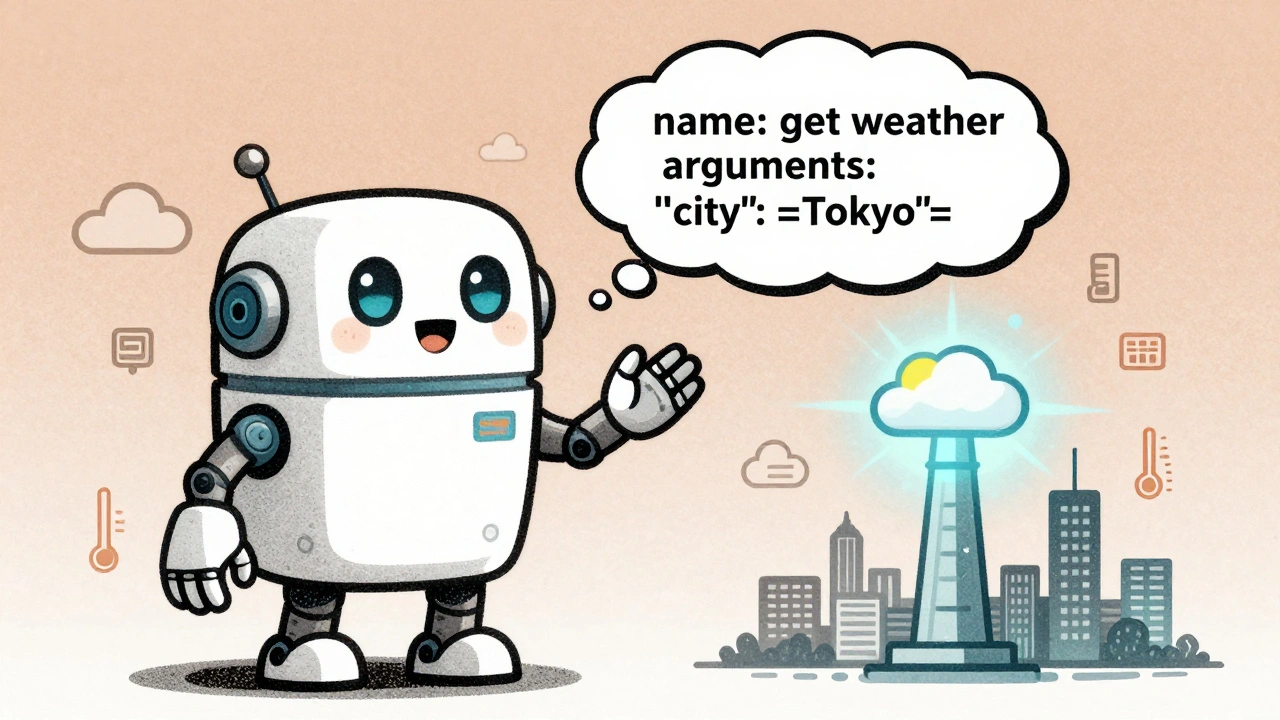
Tool Use with Large Language Models: Function Calling and External APIs Explained
Function calling lets large language models interact with real tools and APIs to access live data, reducing hallucinations and improving accuracy. Learn how it works, how major models compare, and how to build it safely.
Read More