Colorado AI Rules: What Developers Need to Know About State AI Regulations
When building AI systems in the U.S., you can't ignore Colorado AI rules, state-level regulations that set legal boundaries for automated decision-making in employment, housing, and credit. Also known as Colorado Artificial Intelligence Act, it’s one of the first comprehensive AI laws in the country—and it’s changing how companies deploy large language models in production. This isn’t about banning AI. It’s about accountability. If your app uses AI to screen job applicants, approve loans, or recommend housing, Colorado’s law requires you to document how it works, test for bias, and give users a way to appeal decisions. It applies to any company serving Colorado residents, no matter where you’re based.
What does this mean for your PHP code? If you’re integrating OpenAI or another LLM into a SaaS product that touches personal data, you’re now part of a regulated system. The law doesn’t care if you used LangChain or LiteLLM to abstract the model—it cares if the output affects someone’s life. AI governance, the framework for ensuring AI systems are fair, transparent, and legally compliant, is no longer optional. You need audit trails, user opt-outs, and bias testing baked into your pipeline. Tools like Microsoft Purview or Databricks aren’t just for enterprise teams anymore—they’re becoming baseline requirements for any app handling sensitive decisions.
And it’s not just Colorado. The state’s law is a blueprint. Other states are watching. Federal bills are brewing. If you’re deploying AI in the U.S., you’re already operating under a patchwork of rules. The generative AI, AI systems that create text, images, or other content using learned patterns you’re using today might be flagged tomorrow if it makes a biased loan denial or misrepresents medical info. That’s why your code needs more than just good prompts—it needs legal guardrails. Your CI/CD pipeline should include compliance checks. Your logs should track model versions and user interactions. Your team needs to know who’s responsible when something goes wrong.
You’ll find posts here that dive into how to build AI compliance, the set of practices ensuring AI systems meet legal and ethical standards into your PHP apps. From setting up audit logs for LLM outputs to designing user appeal workflows that work with REST APIs, these guides show you how to turn legal requirements into working code—not just warnings in a lawyer’s memo. You’ll see how to use AI governance patterns to avoid fines, how to test for bias in your training data, and how to document your models so auditors don’t shut you down. This isn’t theory. These are the exact tools and strategies developers are using right now to stay legal while building powerful AI features.
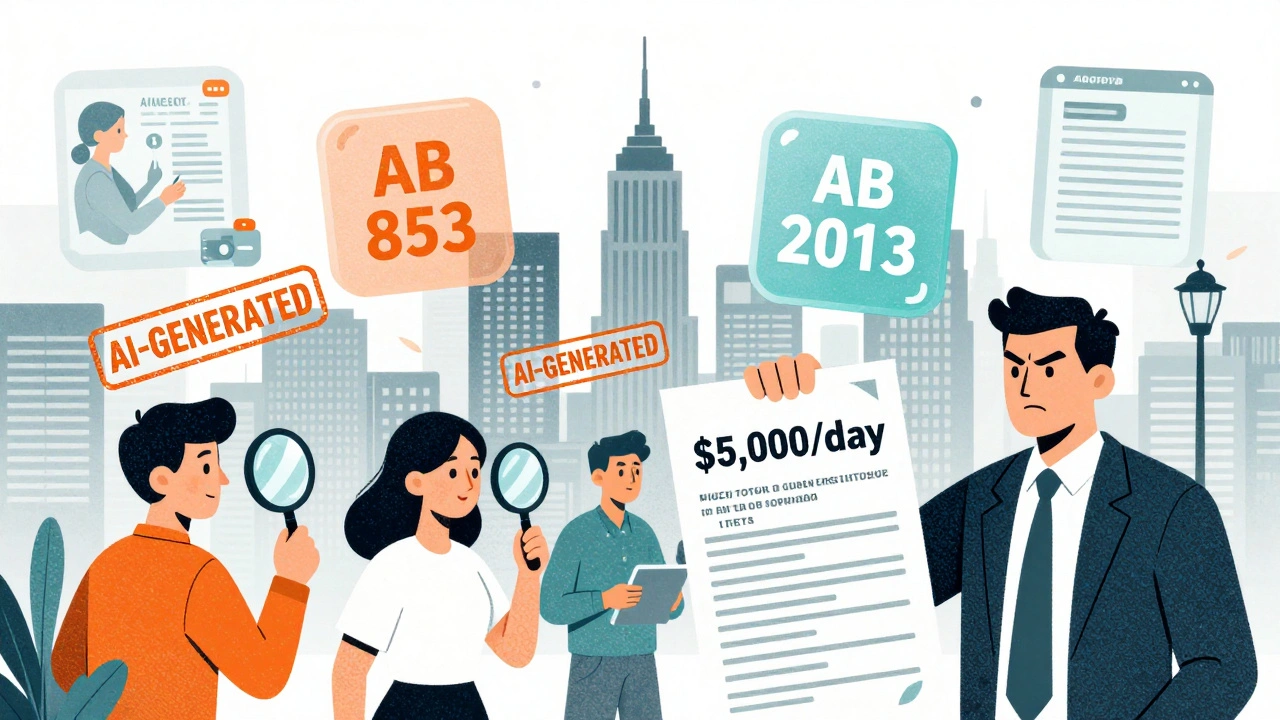
State-Level Generative AI Laws in the United States: California, Colorado, Illinois, and Utah
California leads U.S. state-level AI regulation with strict transparency, consent, and training data laws. Colorado, Illinois, and Utah have narrower rules focused on insurance, deepfakes, and privacy. Businesses must understand state-specific requirements to avoid penalties.
Read More